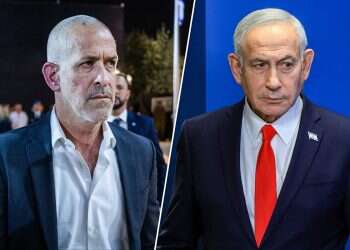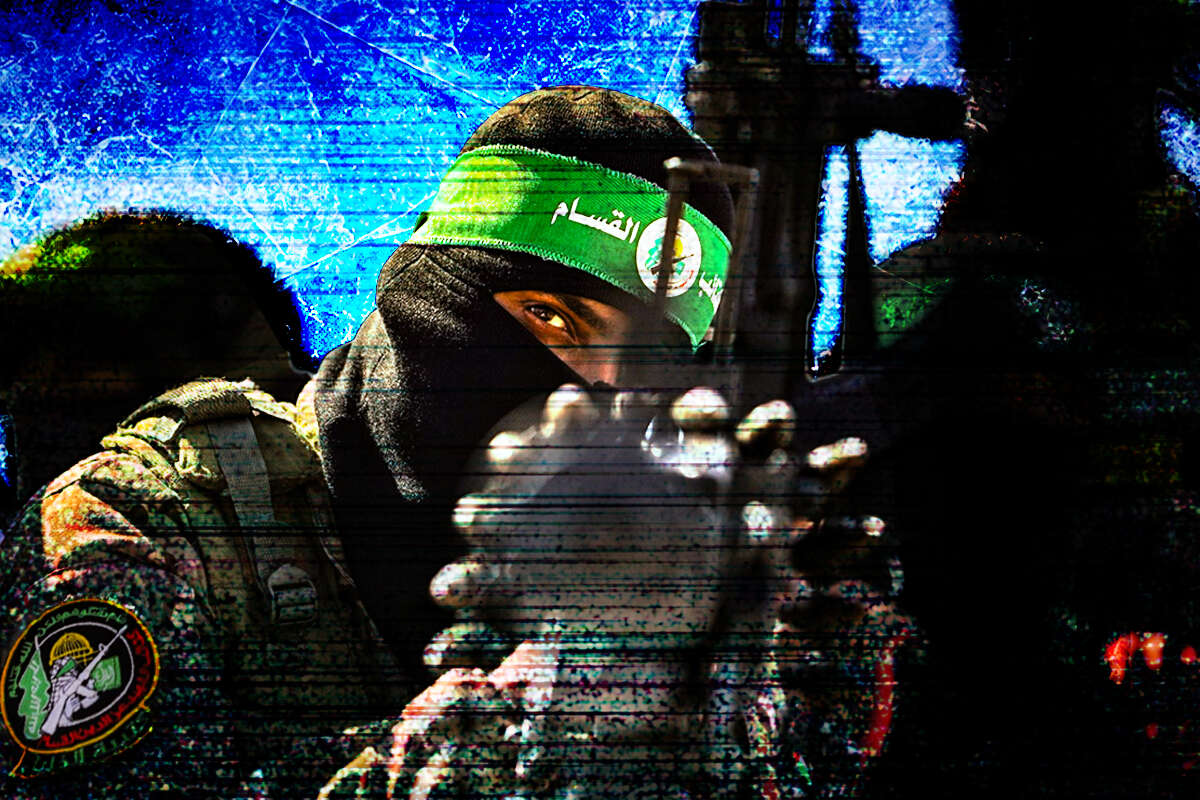
Ministers of the Security-Diplomatic Cabinet (Israel's top security and diplomatic forum) got a sobering briefing Sunday. Fears of a "multi-arena event" resurfaced as defense chiefs described the security situation as tense across every front, from Gaza to Iran. "Hamas is constantly ready for offensive actions at the operational level," officials in the defense establishment said. Shin Bet chief David Zini went further, warning of a possible link between Hamas and members of the Iranian-led axis, including possibly with the Houthi movement in Yemen as well.
The head of the IDF Operations Directorate delivered what sounded like good news on the ground campaign. "We have cleared 95% of the tunnels between the Yellow Line (the current military demarcation line in Gaza) and the border," he told the ministers, noting that the effort remains in full swing. The ministers pushed back gently, replying that the figure applies only to tunnels already found, and others may still be hidden.
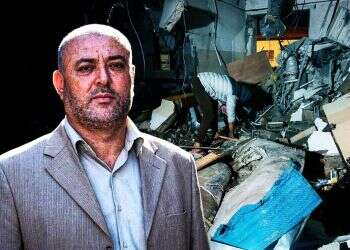
Senior intelligence officials also revisited Saturday's strike targeting senior Hamas official Ali al-Amoudi. The outcome remains unclear. "If we didn't succeed, we will try again," they said flatly.

Hamas, the briefing made clear, is still working two angles at once, attempting to kidnap soldiers from outposts along with smuggling efforts that Israeli forces intercept almost daily. The Board of Peace (the Trump-appointed body overseeing Gaza's postwar transition) is also being kept in the loop, receiving Israeli updates on Hamas' terror activity as it pushes for progress on disarming and rebuilding the Gaza Strip.
That plan drew sharp pushback from Minister Orit Strock, who pressed Prime Minister Benjamin Netanyahu for clarifications after the Board of Peace presented its roadmap on the sidelines of the UN General Debate. Her objection was specific as the plan calls for phased disarmament alongside phased rehabilitation, not full rehabilitation only once the entire Gaza Strip has been disarmed. Strock warned that signing off on it, even tacitly, would effectively bind the next government to carry it out.
Netanyahu said he hadn't been briefed on the Security Council's version of the plan and promised, "I will deal with it." Zini used the moment to sharpen his warning, telling ministers that rather than disarming, Hamas was weighing an attack or a targeted kidnapping, "around the time of the elections or afterward."
The IDF Chief of Staff Eyal Zamir addressed recent gunfire near IDF outposts directly. "We are making sure there are no more incidents like this going forward," he said. "We are in continuous prevention mode." National Security Minister Itamar Ben-Gvir wanted more, demanding a policy of "making sure (terrorists) do not cross the Yellow Line. If hospitals serve as hubs for terror, we need to give that an unequivocal kinetic response." Minister Avi Dichter pushed in a similar direction, calling for "moving to activity against Hamas, not just small-scale targeted strikes."
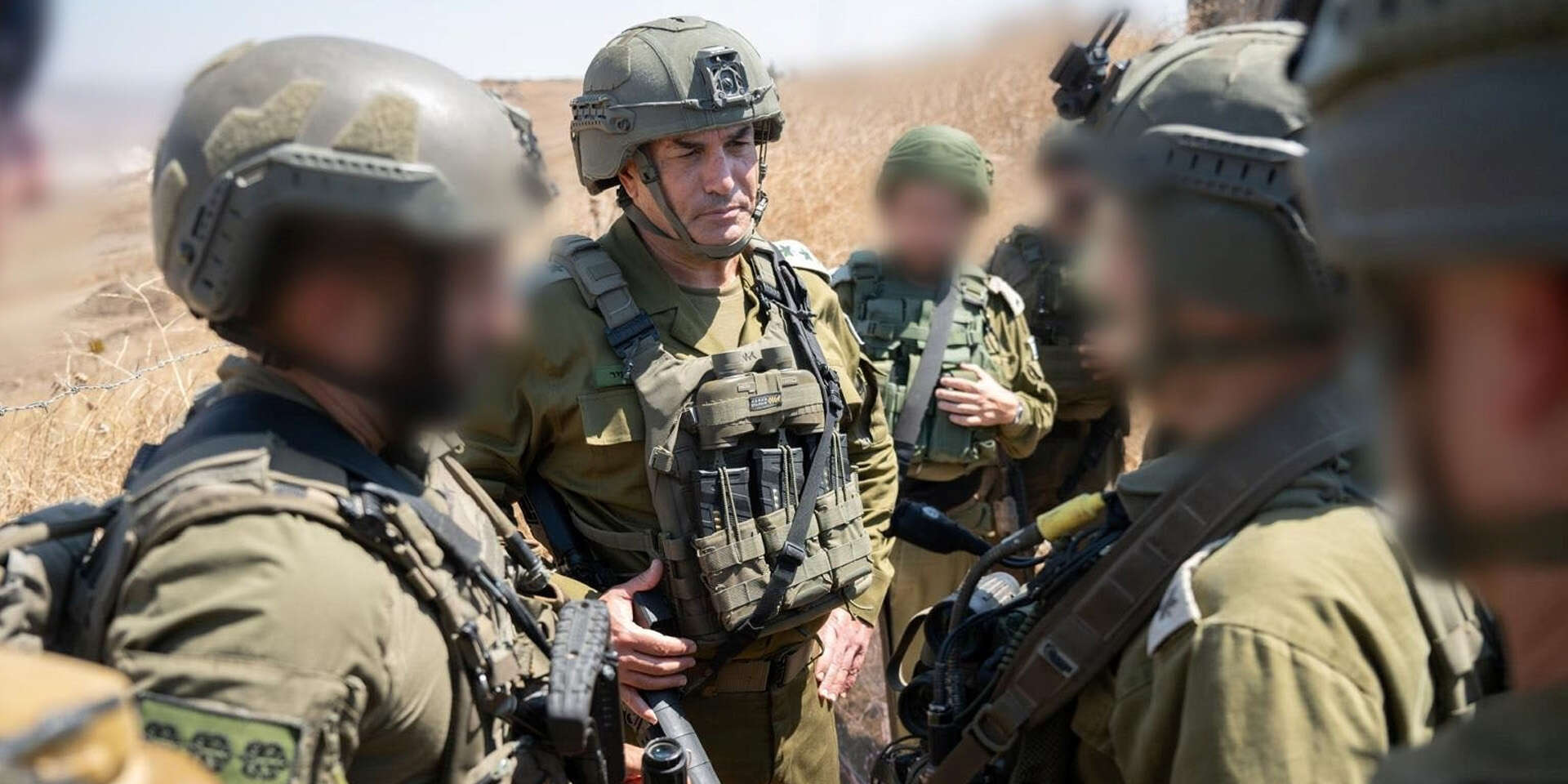
The head of IDF Military Directorate then put three years of war into a single statistic. "Of the 6,000 fence-breachers who infiltrated on October 7, 4,000 have been eliminated, 2,000 remain, and we will get to the last of them," he said. "We will not let up."
Netanyahu closed the discussion by reaffirming what he called an unchanged national mission. "The goal in Gaza is to eliminate Hamas," he told the ministers. "We are hitting them hard and will continue pounding, but our goal is elimination. Ultimately, this mission falls on us; they will not do it themselves. We have committed to this mission, and we will see it through." The question of timing, according to several ministers, remained hanging in the room.