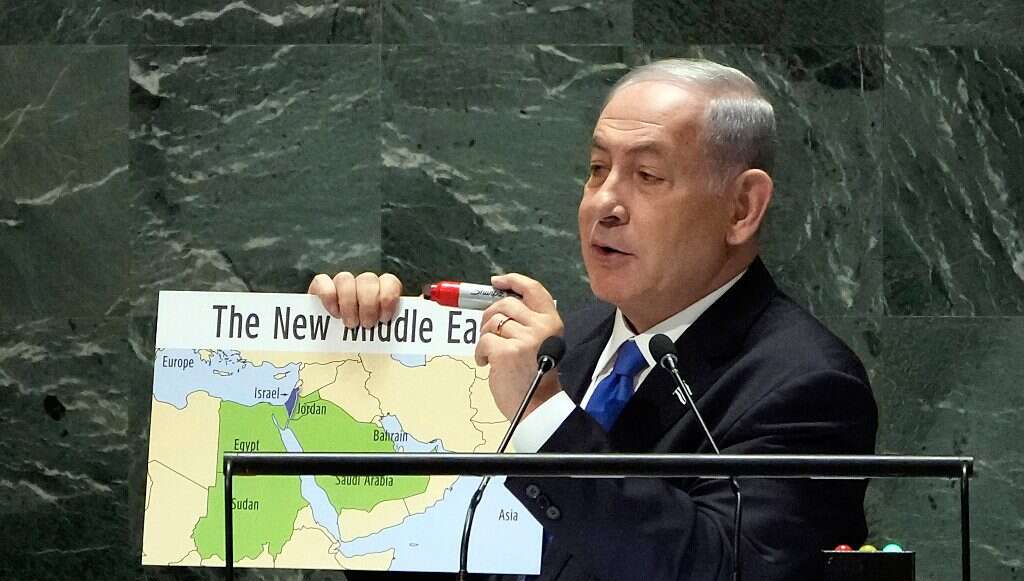
Prime Minister Benjamin Netanyahu will focus his address at the UN General Assembly on Thursday on two primary issues.
The first is rising antisemitism, driven in part by the conduct and rhetoric of heads of state and local figures such as New York City Mayor Mamdani. He will also speak about the chorus of condemnations and biased treatment directed at Israel within the UN and other international forums, as well as the tendency to attribute every ill on Earth to Israel.
The second issue will be a familiar one – Iran. Netanyahu arrives at the UN General Assembly some six months after Israel, together with the US, launched a war against Iran in late February, a conflict that has not yet concluded. Naturally, he will address the nuclear issue, with those in his orbit promising a visual presentation to illustrate the nuclear danger, but Netanyahu will go a step further this time and explicitly speak about bringing down the Iranian regime.
On previous occasions he avoided direct statements, but building on his remarks over the past month, Netanyahu is convinced that the Iranian regime is near its end, knowing that the Americans share a similar assessment.
Without that knowledge, it is doubtful whether the prime minister would have chosen to make such direct declarations. Israel Hayom reported approximately a month ago that intelligence assessments in both the US administration and Israel concluded that sustained and intensified economic pressure – along with crippling sanctions and the exposure and neutralization of funding channels for the Islamic Revolutionary Guard Corps – would lead to the collapse of the regime.
The estimates speak of months – specifically the first half of 2027 – and Netanyahu will tailor his speech toward this timeline and toward the Iranian public longing for such change. In previous speeches, Netanyahu also addressed the Iranian people directly, even speaking in their own language about the bond between the two nations and the cruelty of the ruling regime.
The address at the UN General Assembly will also serve as an election speech aimed at Israelis, presenting strategic shifts in the Middle East across all war fronts since the October 7 attack. Netanyahu will extend a hand to Lebanon and other Arab nations, emphasizing that the Iranian axis no longer poses the threat it once did.
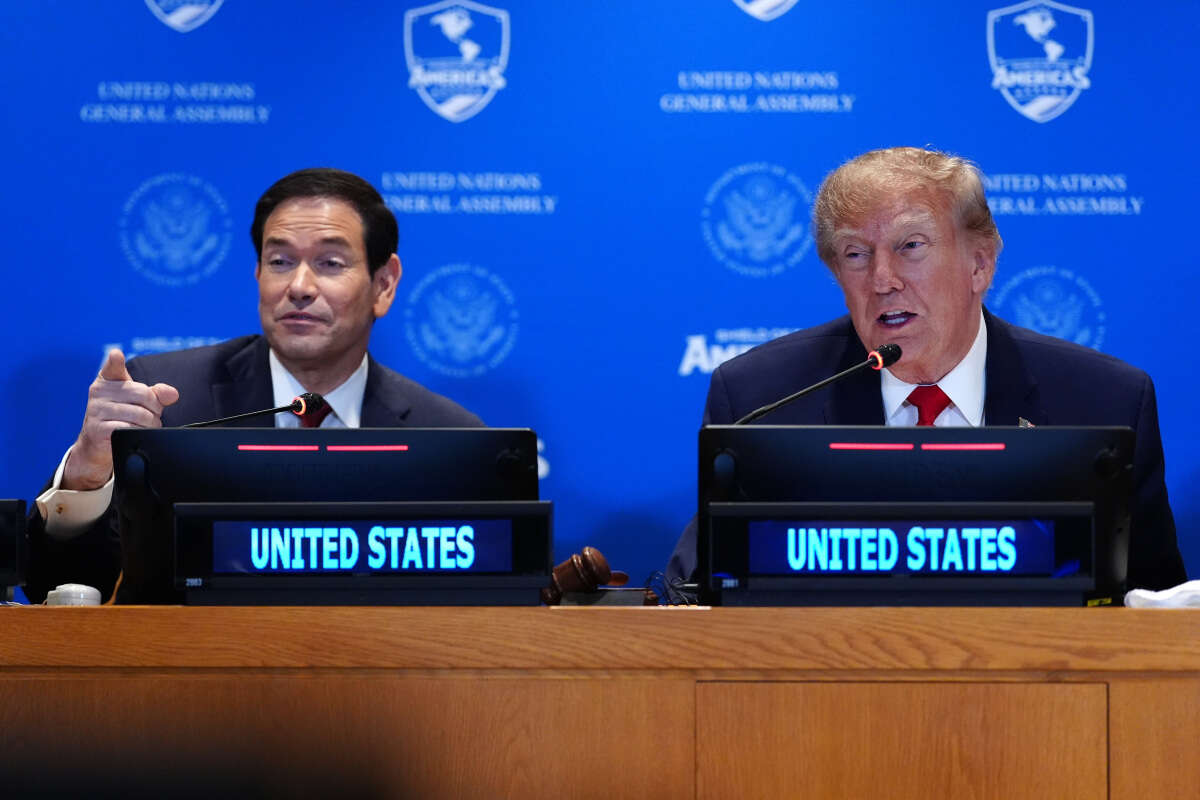
Courting the Gulf
The visit to New York is exceptionally brief – lasting less than 24 hours – and the full schedule remains unfinalized. According to current plans, Netanyahu will land Thursday morning in New York and meet before noon with US Secretary of State Marco Rubio.
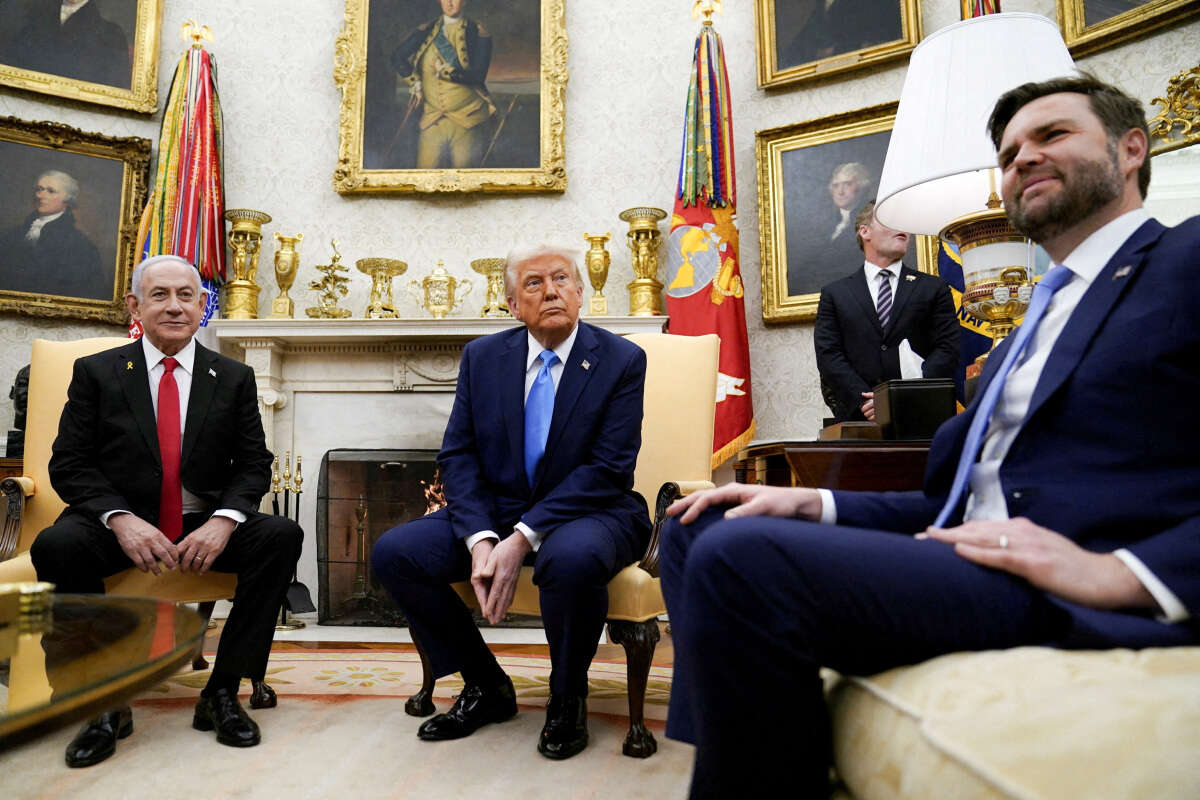
This meeting was scheduled after it became clear that a sit-down with President Donald Trump would not take place. Rubio and Netanyahu will coordinate positions on Iran as well as Lebanon and Gaza. Rubio is expected to brief Netanyahu on the outcome of Trump's meeting with Gulf leaders.
Afterward, the delegation will head to the UN building, where the prime minister will deliver his speech around 2 p.m. New York time (9 p.m. in Israel). The prime minister is slated to hold at least one additional diplomatic meeting following the address, though it remains unclear whether it will occur.
Diplomatic sources handling the matter said that efforts were made to arrange a meeting between the prime minister and officials from Gulf states, but as of these words being written, those attempts have not succeeded. The general assessment is that the broader international arena, including Gulf nations, prefers to await the outcome of the Israeli elections.
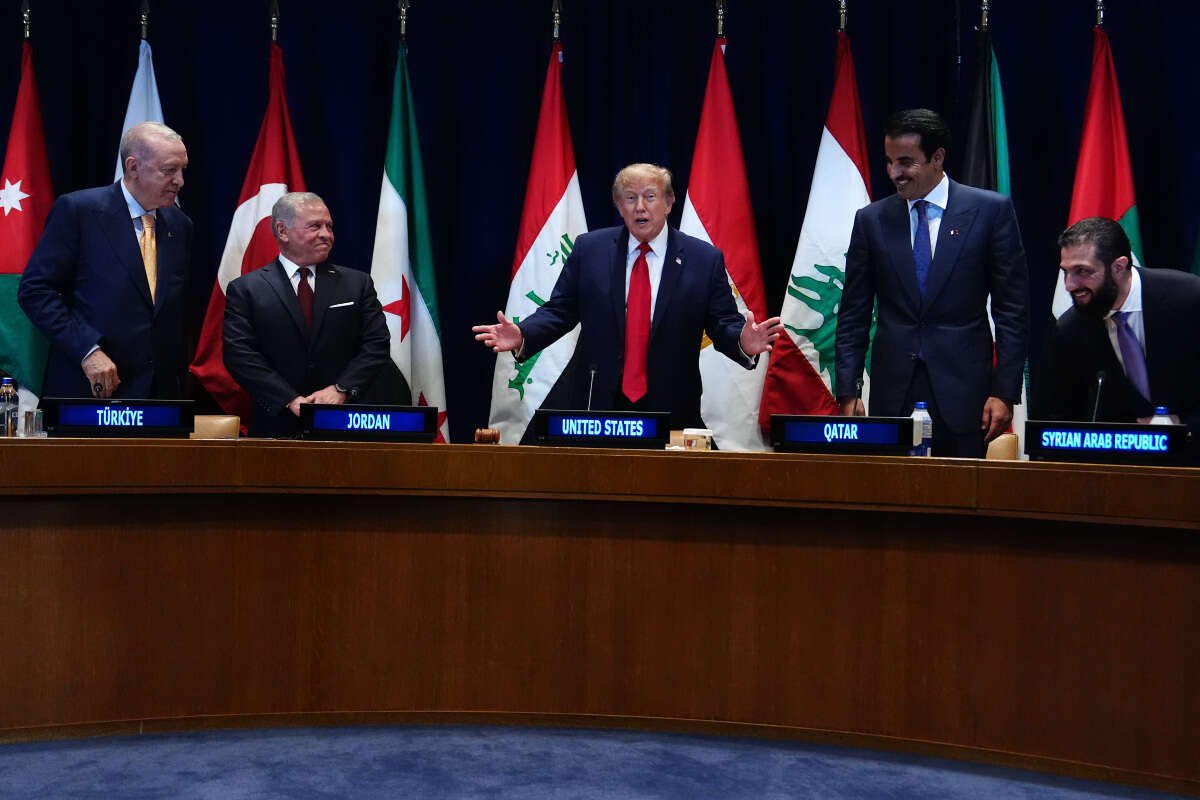
Trump met with leaders and representatives from Gulf nations who arrived in New York, discussing the war with Iran, various plans to conclude it, Israel's role in the conflict, and post-war opportunities. The Gulf states sought to get a sense of how Trump intends to end the war and ensure maritime navigation through the Strait of Hormuz (a vital oil transit choke point) as well as the Bab el-Mandeb (a strategic Red Sea strait).
Due to internal disagreements – with Qatar and to some extent Oman remaining closer to Iran compared to the UAE, Kuwait, and Bahrain – Trump did not disclose all details of the plans, but the underlying assumption is that commitments to regional stability and the territorial integrity of the Gulf states were made.