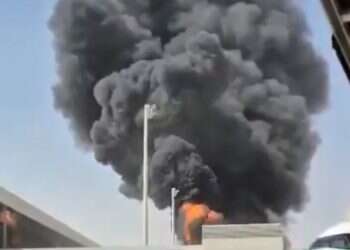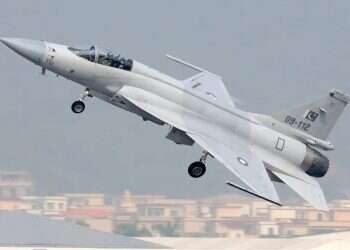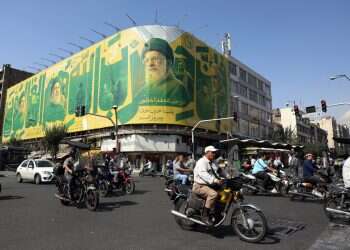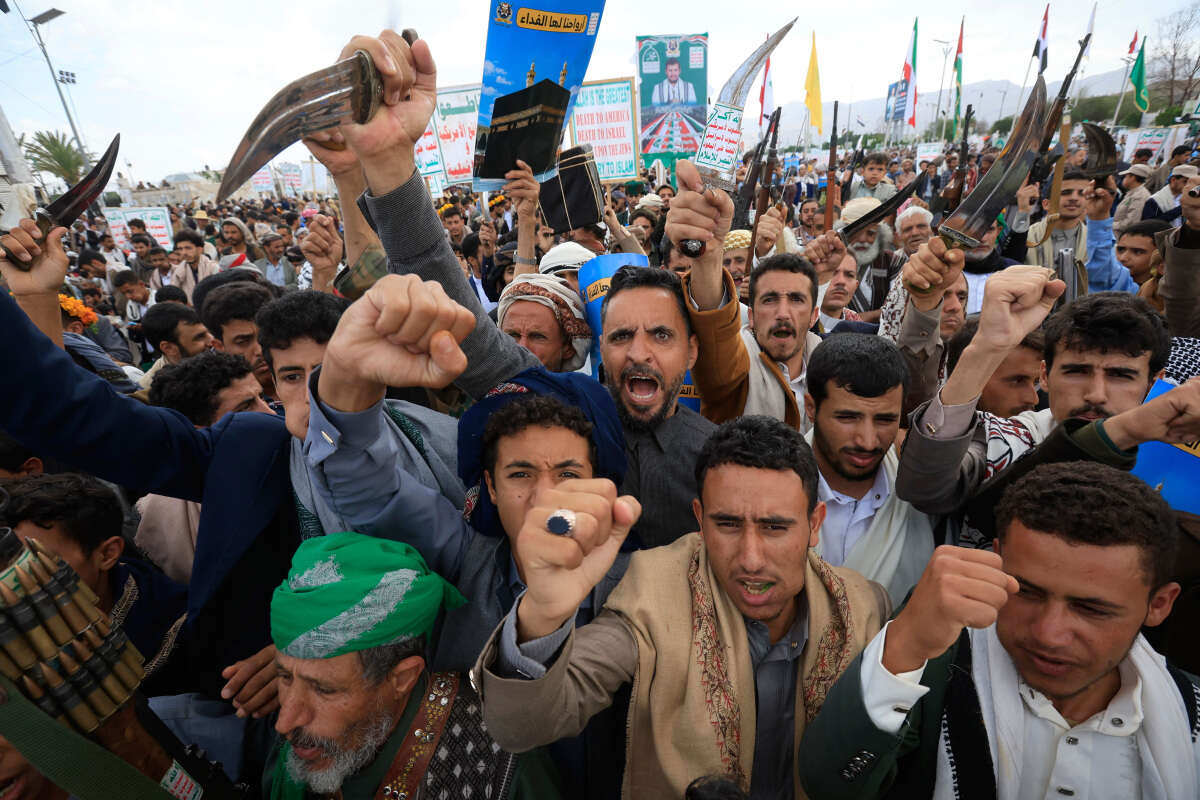
Riyadh pledged Sunday to "respond decisively" to Yemen's Iranian-backed Houthi rebels, a day after a deadly strike on the Saudi capital's international airport pulled the kingdom directly into the region's expanding conflict, The Washington Post reported. The Houthis claimed responsibility and warned airlines that Saudi airports were now "potential targets."
Saudi officials put Saturday's death toll at a minimum of 12, with the Indian Embassy confirming a 13th fatality the next day among more than 300 wounded.
Seven months into its confrontation with Iran, the strike demonstrated how Washington's hesitance to directly confront the Houthis has left Saudi Arabia, a key US ally, exposed.
A hub frequently used by royalty and dignitaries, including President Donald Trump on a past visit, Riyadh's airport, Saudi Arabia's second-largest, was hit again Sunday; the blaze killed one person and injured 11 more, aviation officials said, while a separate strike struck another eastern airport.
Analysts and US officials say Washington supplies intelligence to the Saudis but has withheld the direct military backing sought by Riyadh and by its allies in Yemen's UN-recognized leadership.
Following Saturday's bombing, Trump told reporters he was weighing joining Saudi strikes on the rebels, adding that the US "has communication with the Houthis."
The Washington Post reported that coalition spokesman Turki al-Maliki called the terminal strike a "full-fledged war crime," noting passengers and staff were among Saturday's casualties; no details were released on the American killed.
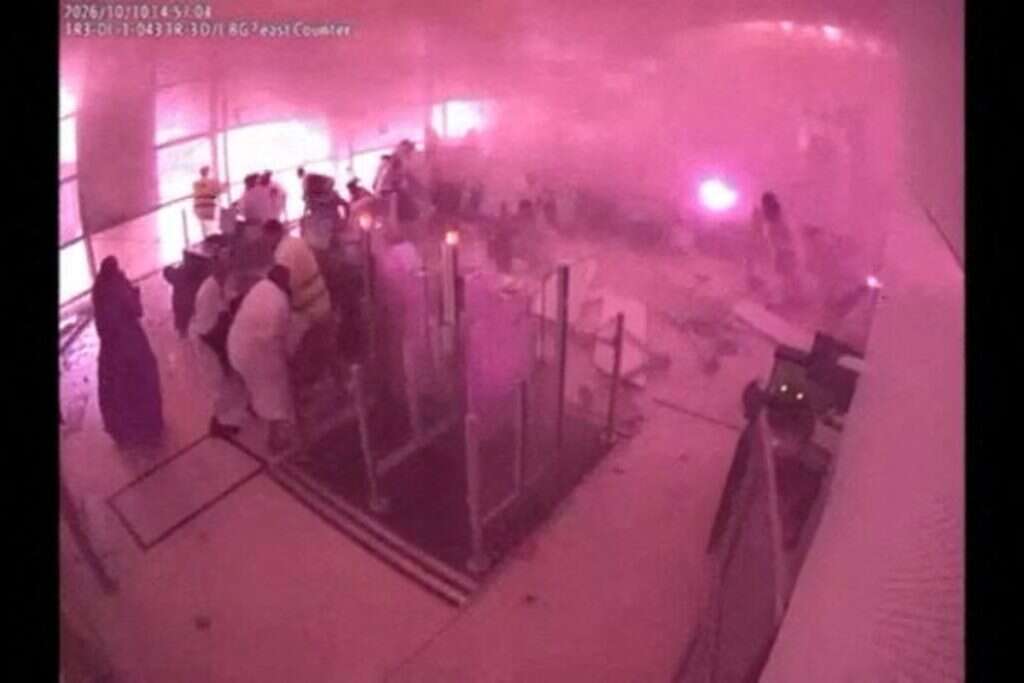
Aired footage of the wounded, some with burns and bandaged limbs, prompted a state TV interview with Hasan Barqawi, whose son died in the strike. "This was a brutal bombing that killed innocent people," he said.
Amid a turbulent stretch for regional aviation, including Iranian strikes on Gulf airports and a Flydubai co-pilot's alleged attempt to crash a jet into Ben-Gurion Airport, foreign missions have urged citizens to avoid Riyadh's airport, with the warning extended to two more coastal airports.
Riyadh issued no take-cover alert, instead asking travelers to confirm flights beforehand.
With US-Iran talks stalled, the widening Houthi-Saudi standoff threatens energy markets and regional stability before November's midterms.
Chatham House fellow Farea al-Muslimi expects Trump's eventual involvement, tying the attacks to Iran's broader wartime strategy. "Even if he wants to avoid it for the sake of the midterms, there is something more important for him," Muslimi said. "He is presenting himself to MAGA and to everyone as the guy who is taming Iran." He added that inaction would be "humiliating for Trump, not just the Saudis."
Yoel Guzansky of Israel's Institute for National Security Studies cited at-risk oil exports and Saudi arms purchases as reasons Trump faces pressure to act.
Saturday's bombing followed a week of Houthi airport strikes and a Red Sea offensive launched last month near the Bab al-Mandab strait, as Iran also targets vessels passing through the Strait of Hormuz.
In an apparent bid to project normalcy, the kingdom opened a multi-day energy conference in Riyadh on Sunday that drew industry executives from across the globe; social media photos depicted a packed conference hall.
Barqawi, grieving his son, said simply, "We want this to stop," adding, "I do not wish this on anyone."