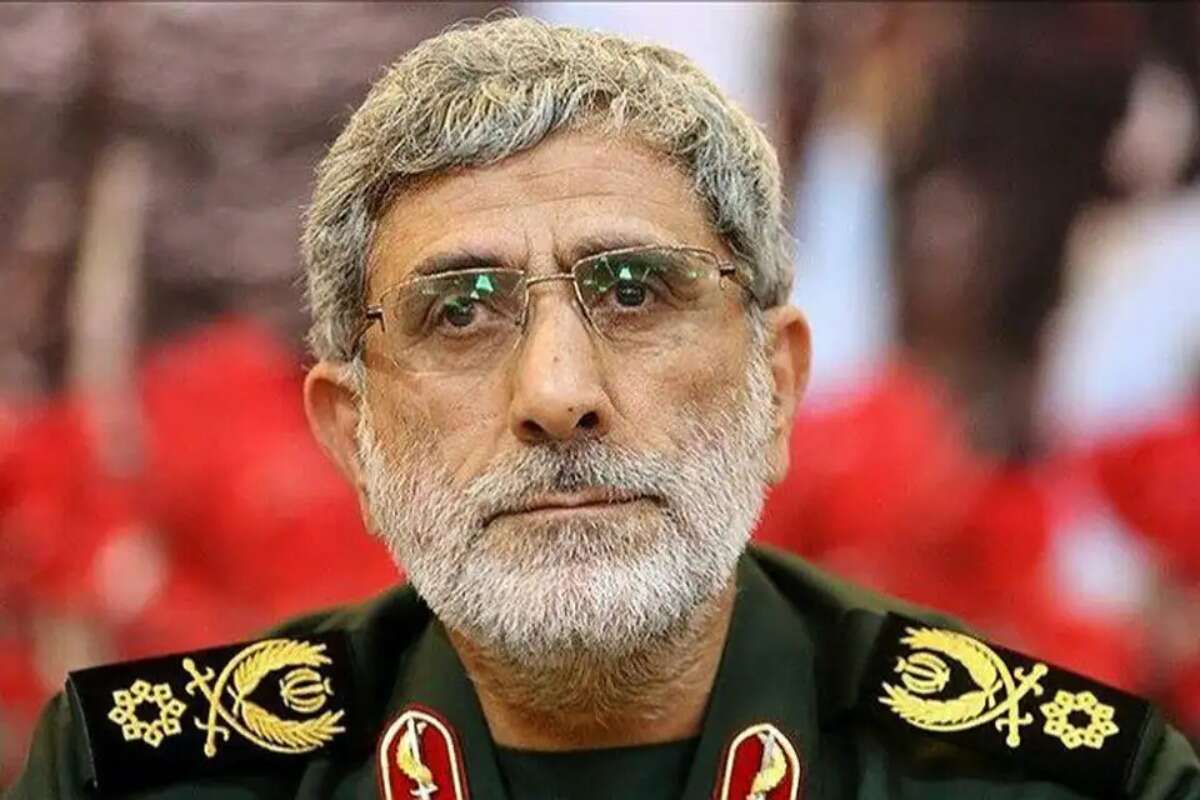
Iran International, a news outlet affiliated with opposition to the regime in Tehran, reported Wednesday that Islamic Revolutionary Guard Corps Quds Force Commander Esmail Qaani recently appointed Mojtaba Hagh-Lesan as the new commander of the covert overseas unit, changing its designation from Unit 840 to Unit 600. The unit is responsible for assassination operations and terror attacks outside Iran, targeting foreign dissidents and officials.
According to the report, Hagh-Lesan, 64, previously served as head of the unit's intelligence array. He succeeds Yazdan Mir, who was killed in an Israeli strike in April. Sources said that relying on former senior officials points to a "command crisis" following a series of assassinations in Iran.
Iran International cited sources "close to the Quds Force" who said that following the exposure of Unit 840's structure and chain of command, officials decided to change its name. A leaked command chart provided to the outlet details regional portfolios managed by deputies, including Mohammad Reza Ansari, who now serves as deputy commander and is responsible for the "Israel file."
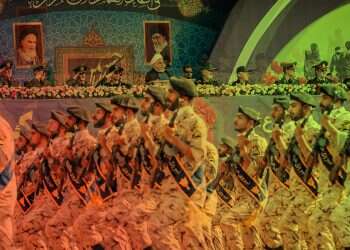
Video: Regime supporters mark Quds Day amid Israeli strikes // Social media
Mohsen Boroujeni heads the branch responsible for terror activity in the US and Europe, while Morteza Babai is in charge of the branch responsible for the Middle East and Africa. Javad Sharifi is responsible for activity in Asia, while Meysam Sahraei oversees operations in India and Africa.
Unit 840 was established after 2010 under the guidance of then-Quds Force Commander Qassem Soleimani, who was later assassinated. It was separated from Unit 400, which maintained close ties with Hezbollah. According to Iran International, Unit 840 expanded its reach through international criminal syndicates and proxies, directing foiled operations against former US officials, European dissidents and Israeli targets.
Operations uncovered by Western intelligence agencies include plots against former US official John Bolton, Iranian journalists Fardad Farahzad and Sima Sabet, and various European Jewish sites.
Confronted with major intelligence breaches, leadership losses and international sanctions imposed by the US, UK and EU, the Quds Force enacted the structural overhaul while hardline factions in Tehran continued issuing threats against Western and Israeli leaders.