Iran has reinforced its defense arrays and escalated threats against the United States and its Gulf allies amid the prospect of renewed American strikes, The Wall Street Journal reported on Tuesday. The report noted that Iranian officials recently warned that any strike against Tehran could trigger a regional escalation, even hinting at the possibility of ground invasions into neighboring countries.
Satellite imagery pointed to efforts to fortify nuclear facilities and sensitive security sites. Among these measures, Iran established passive defense installations last month, including makeshift earth berms around nuclear facilities at Pickaxe Mountain and Natanz to impede potential ground force incursions, based on satellite photos from Vantor analyzed by the Institute for Science and International Security, a Washington-based nonprofit organization.
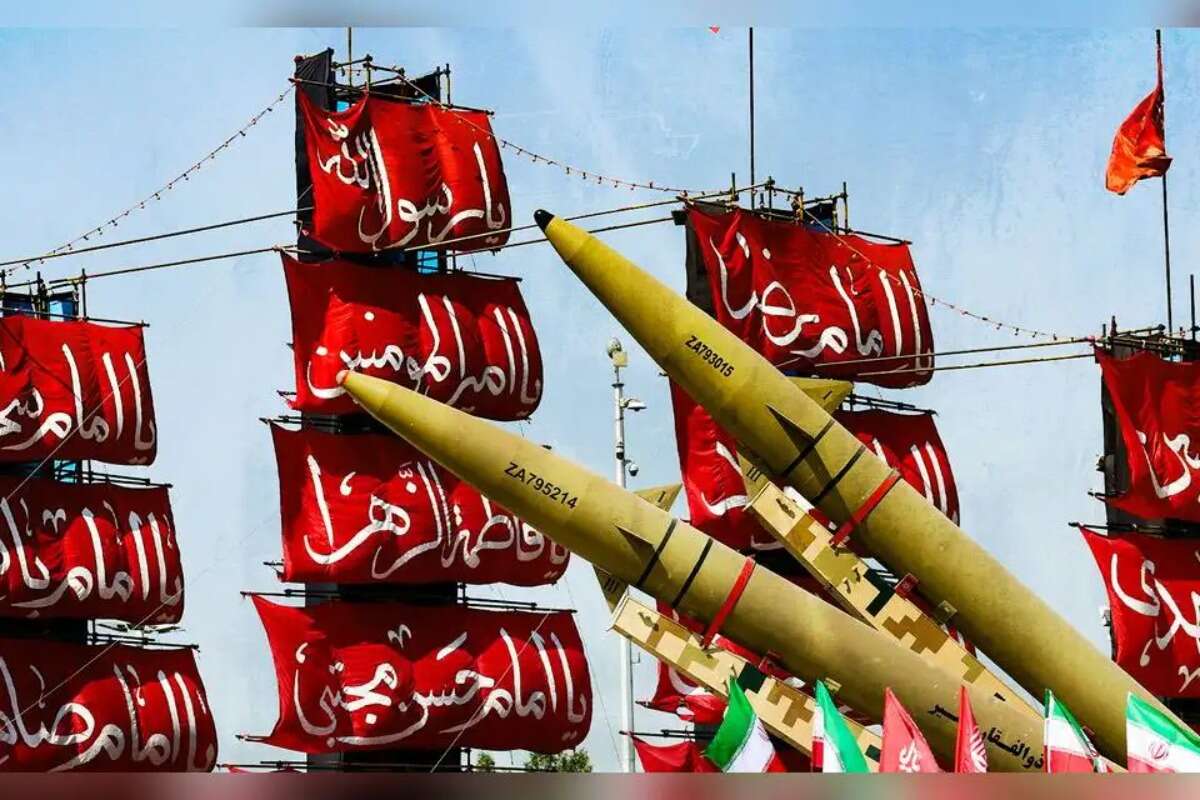
Concurrently, the regime has conditioned the public for renewed hostilities by launching extensive propaganda campaigns, military training, and rallies. Senior Iranian officials stated that the country's airports, seaports, and power plants have adapted to wartime conditions by installing shelters and acquiring equipment to ensure continued operations during emergencies.
According to the report, Iranian officials warned Arab interlocutors that Tehran might target regional assets, including Saudi oil facilities, in the event of a renewed conflict. This threat compounds pressures from Iranian-backed Houthis in Yemen, who struck the King Khalid International Airport in Riyadh over the weekend.
Iranian National Security official Mohsen Rezaei cautioned that Iran could also target the United Arab Emirates, data centers, and internet cables across the region. According to individuals familiar with the warnings conveyed to mediators, Tehran signaled that an escalation would prompt more aggressive targeting of US forces, including efforts to sink warships and strike their crews.
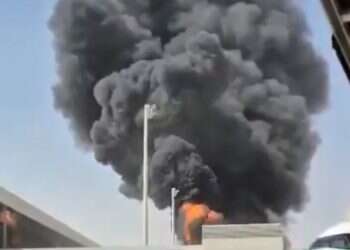
These threats follow rising attacks against vessels in the Persian Gulf and the Strait of Hormuz. According to United Kingdom Maritime Trade Operations, affiliated with the British Royal Navy, at least three commercial vessels sustained damage over the weekend in and around the strait. On Sunday, a drone strike ignited a fire on the Emirati tanker Petro Dolphin near Oman, leaving two Indian crew members missing.
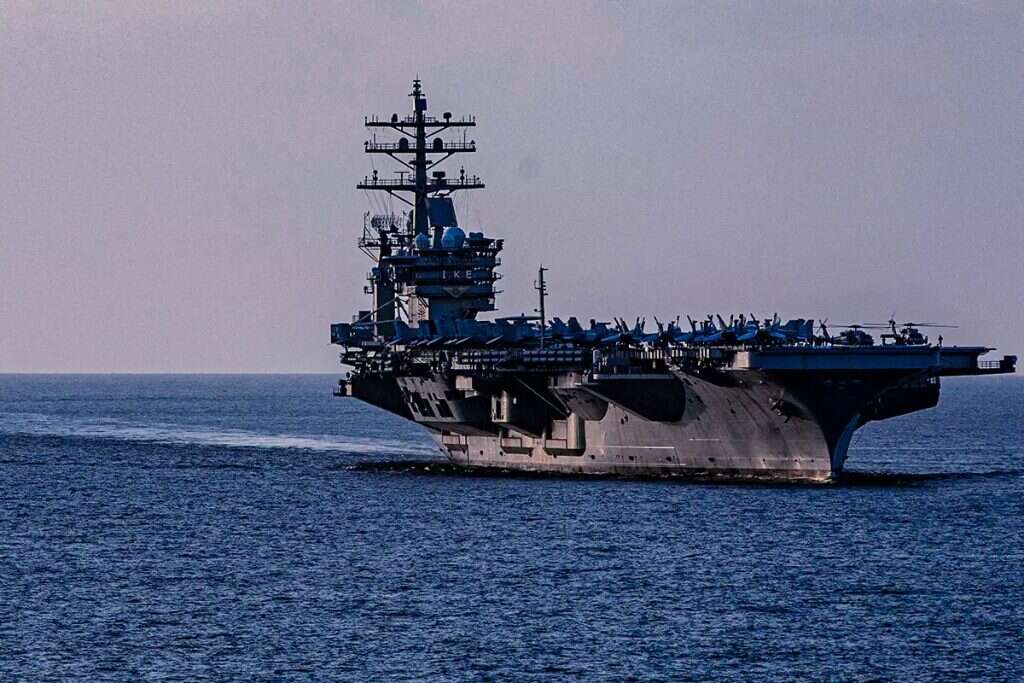
The US military has also prepared for a potential return to combat. A third carrier strike group and an additional Marine expeditionary unit are en route to the Middle East, while the Pentagon evaluates deploying additional air defense systems and munitions.
US President Donald Trump dismissed a strike ahead of the midterm elections scheduled for November 3, though he publicly discussed the possibility of targeting Iran's Malak Mountain nuclear site. American officials indicated the military is preparing a range of options for further strikes.
Direct confrontation between the US and Iran has remained largely on pause since Trump canceled plans for a major escalation in late July. Officials cited concerns regarding a potential shortage of missile interceptors required to protect regional targets.
Iran has utilized the pause to rehabilitate its missile and drone facilities and replenish its weapons stockpiles. Supreme Leader Mojtaba Khamenei praised these efforts while acknowledging supply chain bottlenecks in early September.
Simultaneously, the US has increased economic pressure on Iran and worked to escort tankers through the Strait of Hormuz. More than seven months into the war, both sides continue to strengthen military capabilities as the standoff remains deadlocked, with Washington and Tehran seeking to tilt the balance of power and prepare for another round of fighting instead of stepping back.