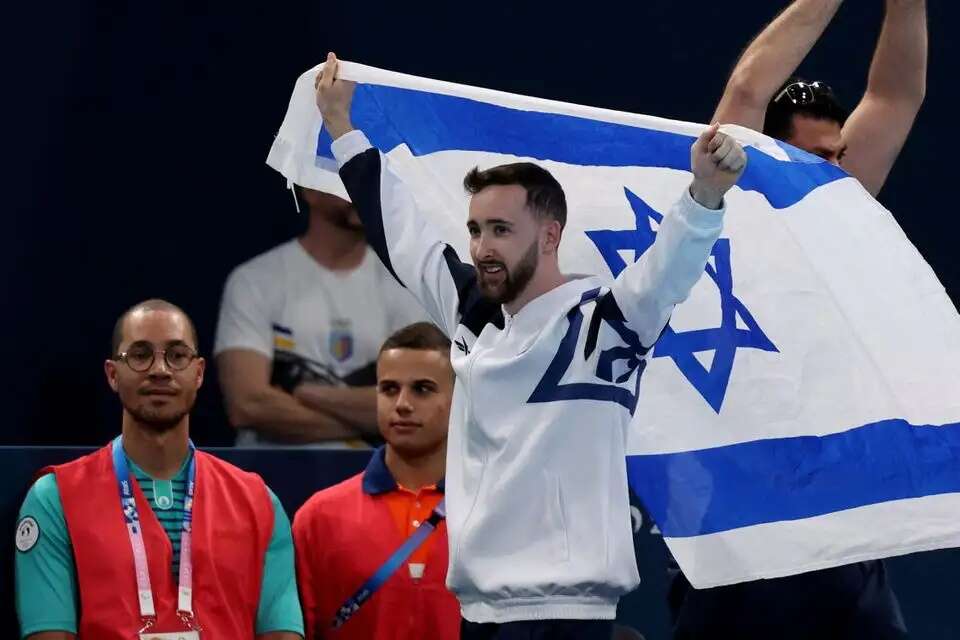
Since the Oct. 7, 2023, Hamas attack, Israeli sports have faced unprecedented disruption. Training routines have been upended, games have been canceled, and some countries have prevented our athletes from competing. Our leading basketball and soccer clubs have lost the ability to host games in Israel, forcing them to travel abroad for dozens of matches each season.
This situation has devastating professional and financial consequences, and we are working with all relevant authorities to bring these games back to Israeli stadiums and arenas.
In one instance, Hapoel Beersheba fans were barred from attending their team's match against AZ Alkmaar in the Netherlands. During a match between Israel and Ireland, the Irish players refused to shake hands with their Israeli counterparts and showed disrespect toward Israel's national anthem.
Elite competitive sports have also suffered. Olympic medalist Artem Dolgopyat was unable to compete at the 2025 World Artistic Gymnastics Championships in Indonesia after the Israeli team was barred from participating.
International sports organizations have a duty to condemn displays of antisemitism and exclusion and take decisive action against such conduct.
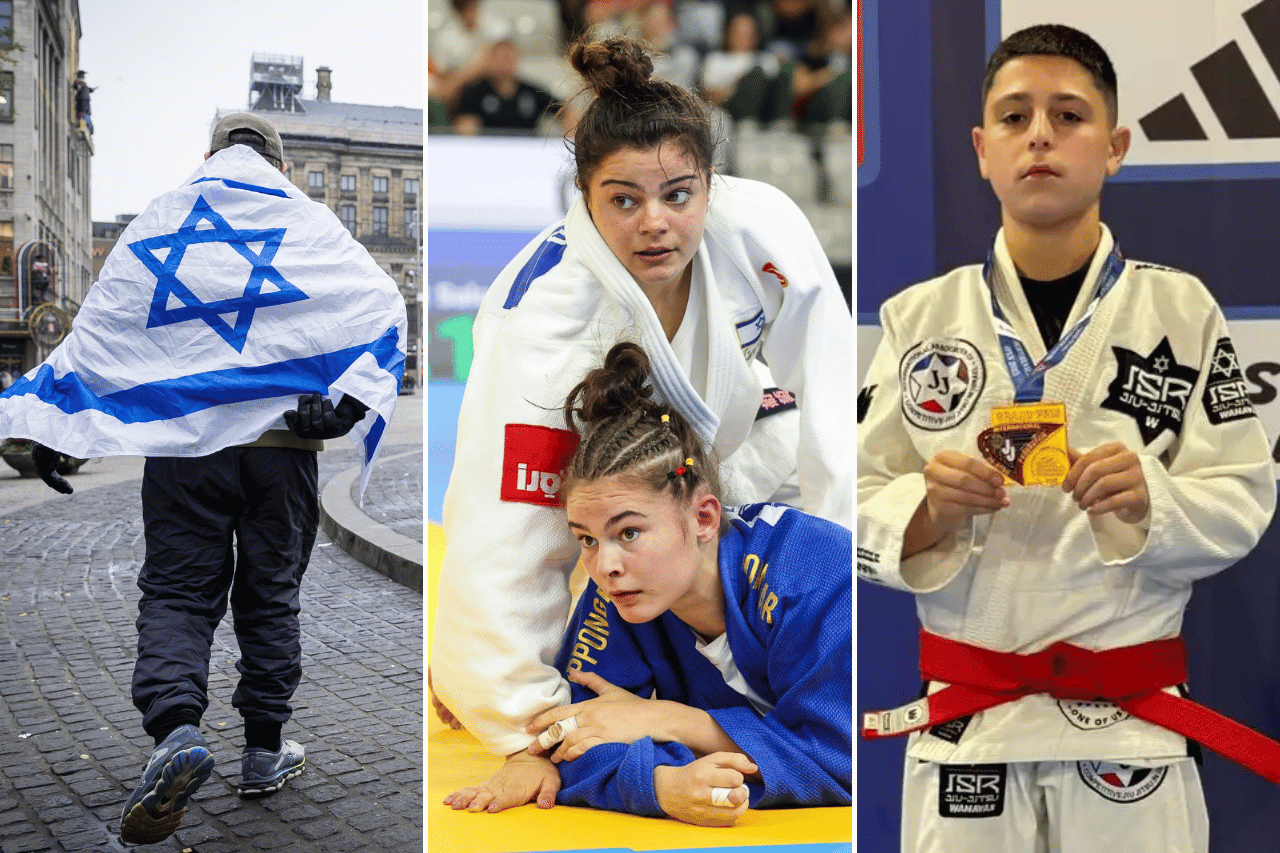
Yet despite these challenges, the achievements of our athletes remain a source of immense national pride. Dolgopyat won the European gymnastics title, windsurfer Tamar Steinberg became a world champion, and judoka Kerem Primo claimed silver at the World Judo Championships. They and many others have demonstrated that excellence is possible even under the most difficult circumstances.
We owe it to our champions and their coaching and support teams to provide them with the best possible resources so they can continue competing, succeeding on the world stage and demonstrating Israel's unbreakable spirit.
Education has also paid a heavy price
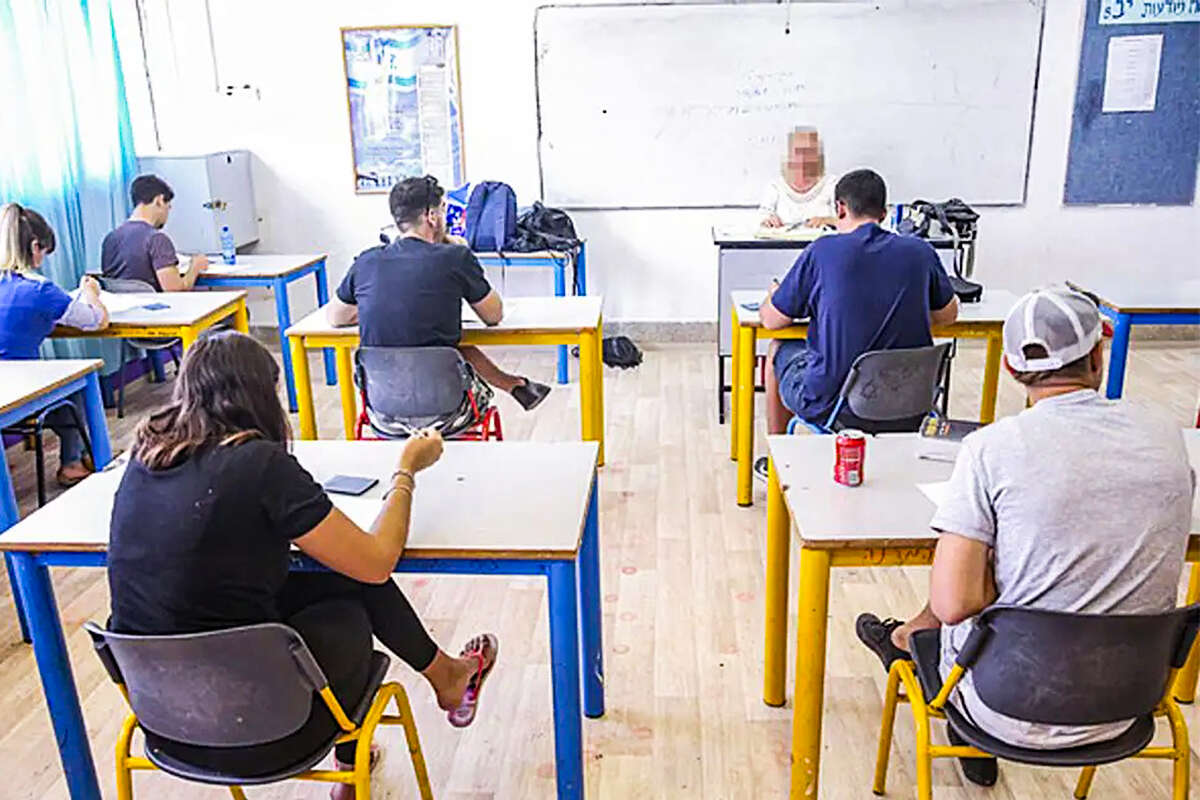
Our children have also endured prolonged disruptions to their education over the past three years. Classes have been canceled or moved online, exams postponed and learning gaps have continued to widen.
Instead of attending school regularly and spending time with their friends, children have been forced to navigate a daily struggle for stability and confront dilemmas that should have no place in their lives.
To ensure Israel's future prosperity and resilience, we must make certain that our children are not left behind. We must equip them with the knowledge, confidence in their abilities and practical tools they need to fulfill their potential and build their futures.
It is our educators who make this possible every day. They have continued teaching under rocket fire, supported their students and helped them maintain continuity in their studies and a sense of stability. For these children, teachers have been an anchor and a haven of normalcy amid the turmoil. Their role in shaping Israel's future must never be taken for granted. We have a responsibility to give them the recognition, support and working conditions they deserve.
Education and sports are closely connected pillars of our society, both essential to our national resilience. In the classroom, children develop knowledge, values and a sense of belonging. On the playing field, they learn determination, discipline and teamwork. Both environments help shape the younger generation's ability to confront crises, take initiative and build a better future.
Investing in education and sports is not a luxury. It is a national responsibility.
Ari Steinberg is chairman of the Wingate Institute, chairman of the Israeli Basketball Premier League administration and CEO of Ashmoret.