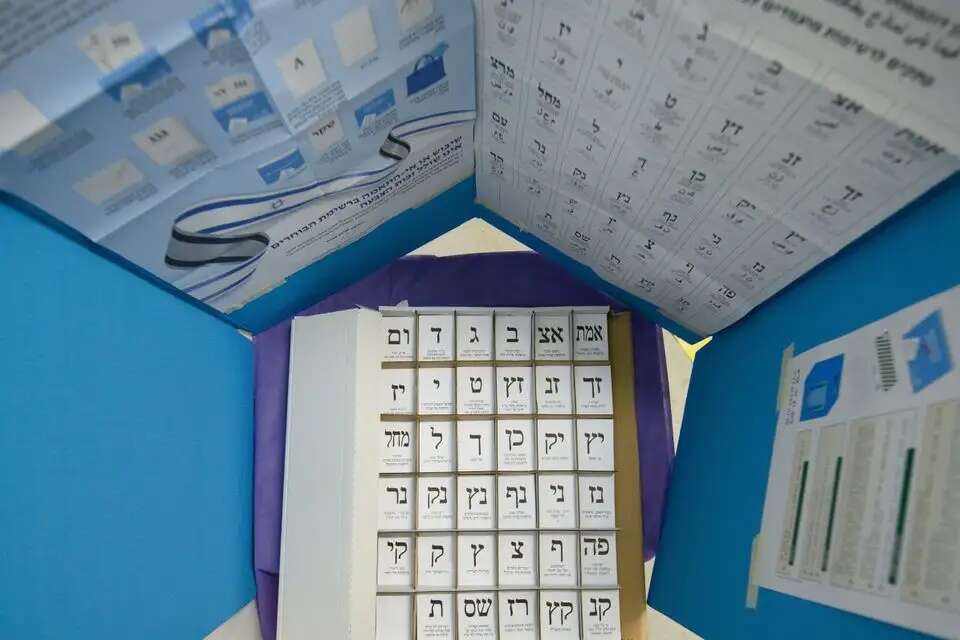
Amid security discussions taking place this week, the Central Elections Committee is preparing for the possibility that security threats could disrupt voting in the elections for the 26th Knesset, scheduled for Tuesday, Oct. 27.
The scenarios under consideration include missile attacks and terrorist attacks, with preparations aimed at ensuring that Israelis can cast their ballots even under extreme security conditions.
Any postponement of the elections would require legislation passed by a majority of at least 80 members of the 120-seat Knesset. Another option under consideration is extending voting hours under the authority of the Central Elections Committee. According to information provided, voting could be extended by up to 24 additional hours to allow the public to exercise its right to vote.
Options being examined include keeping polling stations open for an additional day or extending voting through the night, depending on the circumstances. The committee has already discussed potential scenarios and how to respond to them.
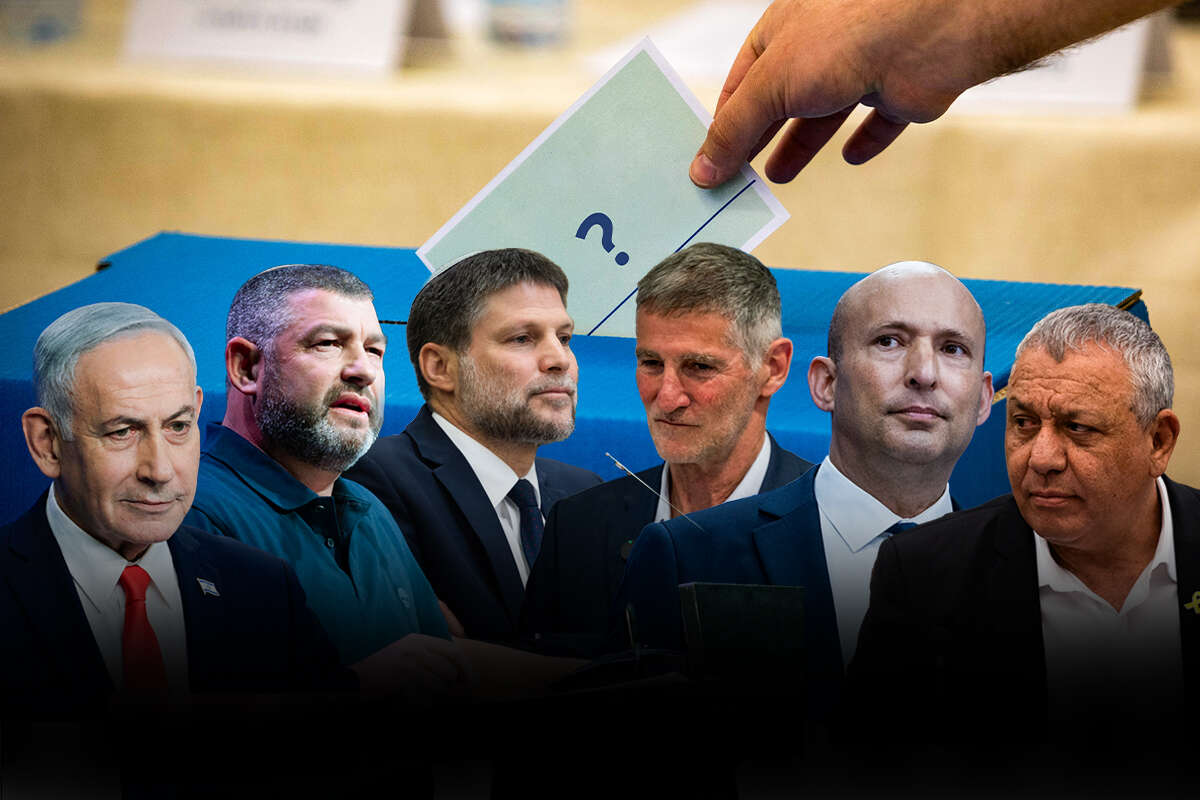
Israel is under a declared "special home front situation," a legal emergency designation that allows authorities to impose special security restrictions. Special provisions have also been enacted for the elections to the 26th Knesset.
According to the Israel Democracy Institute, during a special home front situation or an attack, the chair of the Central Elections Committee may, after consulting with the Israel Defense Forces chief of staff or an authorized representative, issue directives governing polling stations or other locations where election-related activities are taking place.
These directives are intended to bring election operations into line with instructions issued in the relevant area under the Civil Defense Law, while safeguarding the public's right to vote and ensuring the proper conduct of the elections.
The institute's website further explains that the committee chair may, in consultation with the IDF chief of staff, establish rules concerning the implementation or application of the Civil Defense Law if they could affect the conduct of the elections.
However, these provisions do not apply to powers relating to the sounding of air raid sirens or the issuance of advance warnings in response to an enemy attack when immediate action is necessary to protect human life.