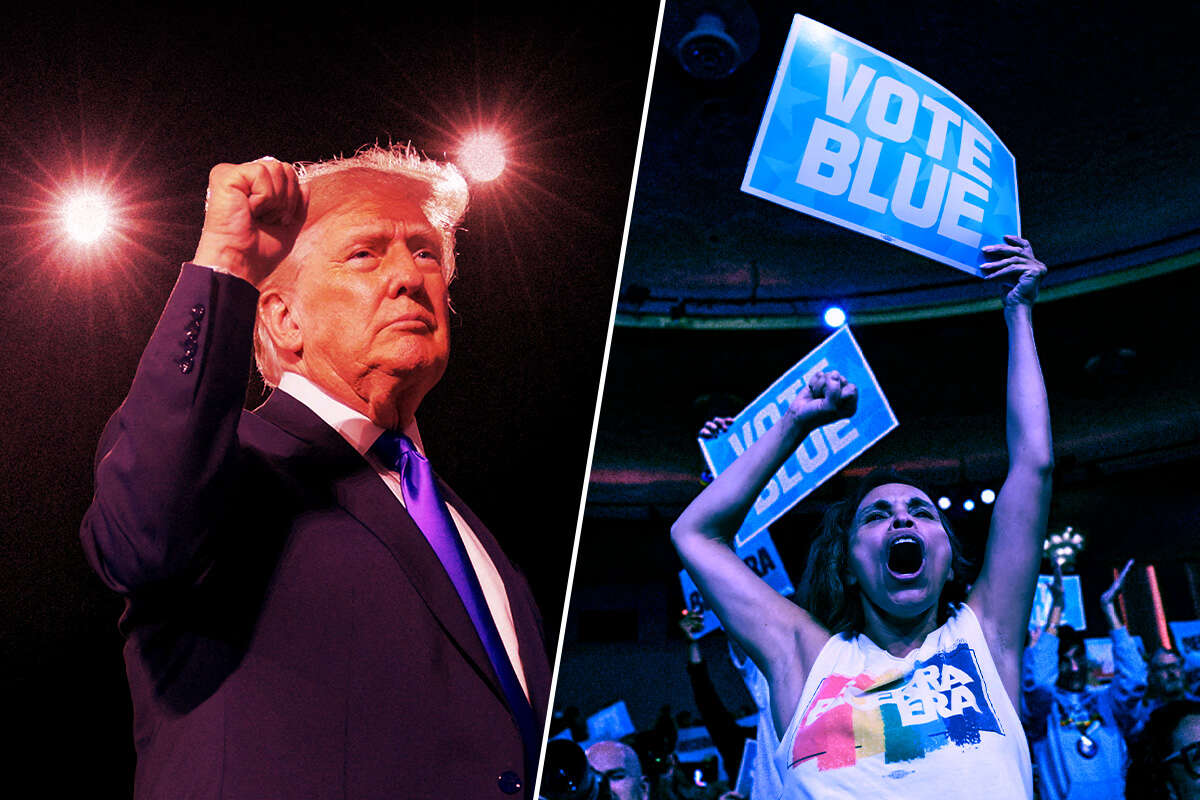
Americans will head to the polls Tuesday to decide a wide range of races, including all 435 seats in the House of Representatives, 35 of the Senate's 100 seats and 36 governorships. By Sunday, more than 52 million Americans, including Pope Leo XIV, had already cast ballots by mail or through early voting, a record for a midterm election.
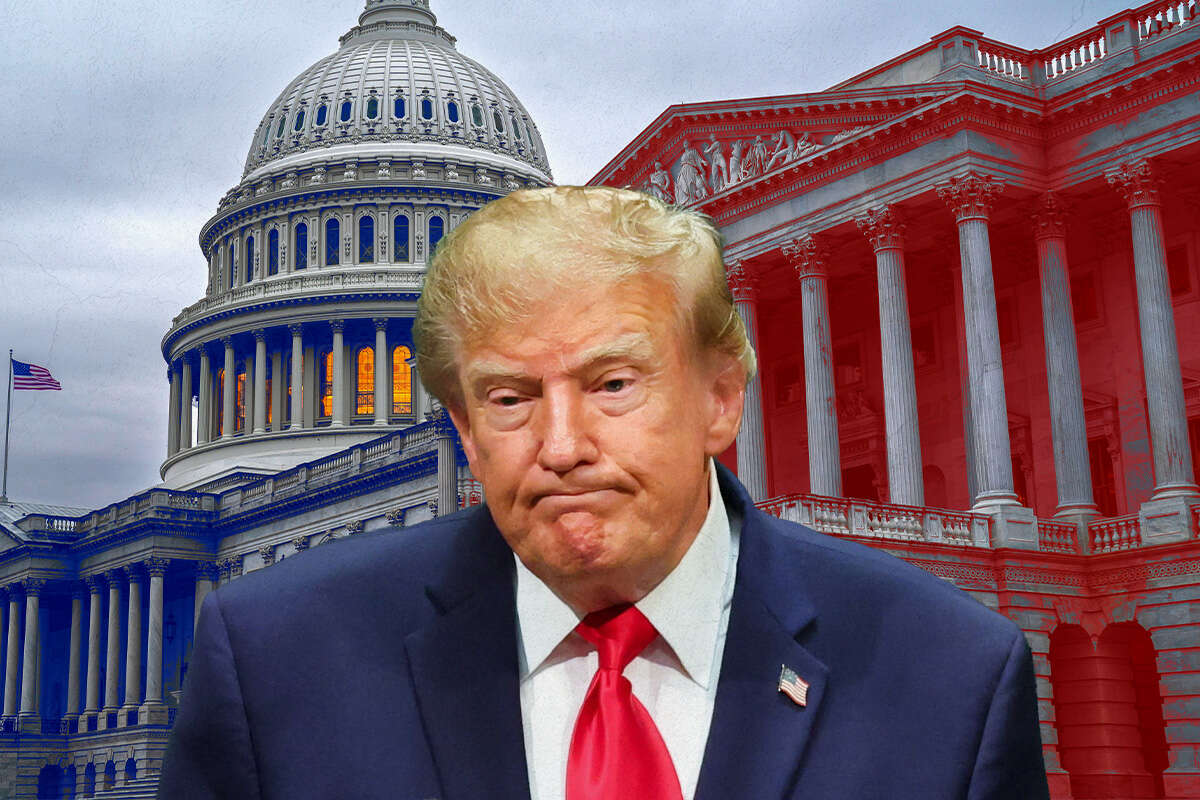
At stake is control of Congress during the final two years of President Donald Trump's term. If Republicans lose either chamber, Trump could find himself saddled with one of the most dreaded labels in American politics: a "lame duck" president.
Republicans currently hold a 53-47 majority in the Senate and a narrower 218-214 advantage in the House, where two seats remain vacant following the deaths of their occupants and one seat is held by an independent. For Democrats, the magic numbers are 218 seats in the House and 51 in the Senate. To reach those thresholds, they need a net gain of four seats in each chamber. Every seat they lose will require them to flip another Republican-held seat to compensate.
In the Senate, Republicans are the ones defending more territory, with 22 of the seats up for election currently held by their party, compared with just 13 held by Democrats.
The battle for the House is somewhat more complicated than it might appear. Redrawn congressional district maps in several states have given Republicans an advantage in a handful of seats, but analysts believe even that may not be enough to preserve their majority.
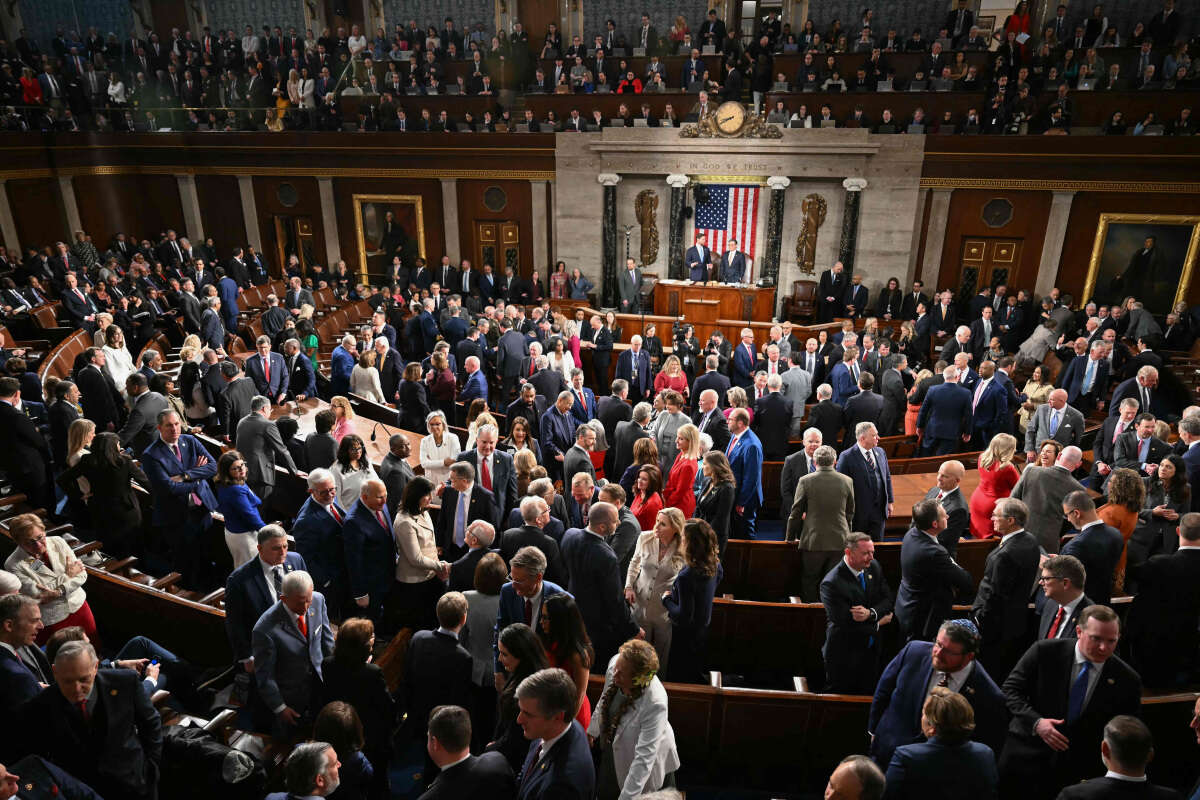
The odds favor Democrats
According to the final forecast by CNN chief data analyst Harry Enten, Democrats have a 92% chance of taking control of the House, winning 237 seats to the Republicans' 198, and a 71% chance of capturing the Senate, with a 52-48 majority. Fox News, a network more closely associated with the president, has taken a more cautious approach, describing the battle for Senate control as a close contest.
Most political analysts agree that control of the Senate will come down to a handful of tight races, many in states Trump won by double-digit margins in the 2024 presidential election.
According to a Reuters/Ipsos poll published last week, just 32% of Americans approve of Trump's job performance, while his approval rating among rural residents has fallen to a low of 45%. An Associated Press analysis linked tariffs and the war with Iran directly to rising gasoline and food prices and broader inflation. The Reuters poll also found that voters, who had favored Republicans on economic management before the war, now prefer Democrats on the issue by 37% to 33%.
Trump himself returned to the campaign trail Sunday, holding rallies in Iowa and Kansas, two states he won comfortably but which have now become electoral battlegrounds.
Kansas has not elected a Democratic senator since 1932, nor has Texas since 1988. Yet Democratic candidates Adam Hamilton in Kansas and James Talarico in Texas are both running competitive races. In South Carolina, which has not sent a Democrat to the Senate since 1998, Darlene Graham, the sister of the late Republican Sen. Lindsey Graham who was appointed to succeed him, is tied at 48% with Democratic challenger Annie Andrews, according to a New York Times/Siena poll.
Cracks among Democrats?
Meanwhile, a rift has opened within the Democratic Party in Michigan, home to one of the races that could determine control of the Senate. Without Michigan, Democrats could struggle to secure a majority. Their candidate, Abdul El-Sayed, who has accused Israel of "genocide," enjoys the backing of much of the party's leadership, including former President Barack Obama. He is running against Republican Mike Rogers.
Over the weekend, El-Sayed became embroiled in a public dispute with Democratic Rep. Haley Stevens, whom he defeated in the party's Senate primary by less than one percentage point. Stevens had intended to endorse him but demanded that he condemn an advertisement by a far-left organization supporting his campaign. The ad depicts a couple forced to put a carton of eggs back on a grocery store shelf because of US military aid to Israel.
El-Sayed responded in a statement that "While Congresswoman Stevens seems intent on relitigating a primary that ended three months ago, let's all focus on the task at hand." According to reports, his campaign also asked her to stay away from his campaign events.
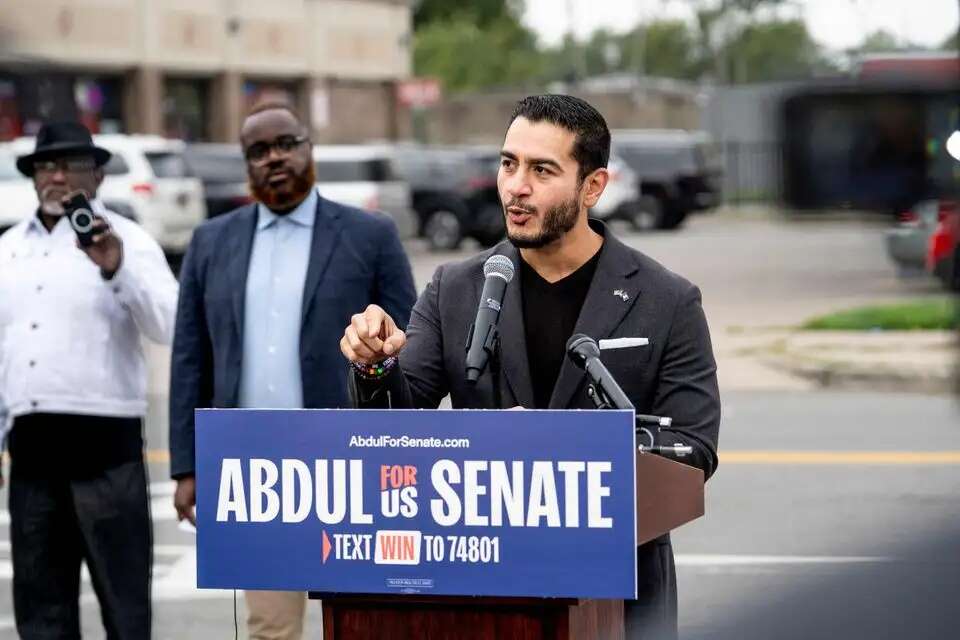
On Sunday, the day Stevens had been scheduled to appear alongside El-Sayed, she instead attended a church service in Detroit with Rogers. Later that day, she announced her endorsement of the Republican candidate. In a video posted on X, Stevens said El-Sayed had made it clear that she was no longer welcome in his campaign. "And he's right. And that's why I am endorsing Mike Rogers for the United States Senate today," she said.
The question now is how much impact her decision will have, given that El-Sayed's hard-line positions are already well known to voters. On the face of it, the development has the potential to reshape the race.
Meanwhile, the White House is already preparing for the possibility that Trump could become a lame-duck president. A "blue wave" would give Democrats the power to block legislation, restrict the funding the president seeks and, perhaps most significantly, summon senior administration officials to congressional investigations and committee hearings that could dominate news coverage. Control of the Senate would also allow Democrats to block Trump's appointments, including nominations to the Supreme Court.
According to Reuters, White House lawyers have already begun briefing administration officials on how to respond to congressional subpoenas and requests for documents. At the same time, other administration officials have been working since April on a list of measures Trump could pursue through executive orders without congressional approval.