A second wave of bomb threats struck European airlines on Thursday morning, Reuters reported, leaving many flights diverted or escorted to unscheduled landings. No threat had been verified as genuine.
No government has assigned blame, yet the threats arrive as European officials accuse Russia and Iran of "hybrid attacks" and sabotage, Reuters noted. Moscow and Tehran deny any such campaign.
Aer Lingus flight EI402 from Dublin to Rome was diverted as a security measure and landed safely at Evreux airport, 100 km (62 miles) west of Paris, the airline said. Bulgaria recorded three emergency landings, officials there reported. Planes from Copenhagen and Madrid landed safely in Sofia, the interior minister stated, according to bTV, while local media said a London flight was diverted to Plovdiv.
Czech police said on X that four Prague-bound planes had received bomb threats of low credibility and that landings were being prepared for. Italy's air force escorted a Finnair flight from Helsinki to Rome, a source close to the matter said. According to the ANSA news agency, a bomb threat has been issued for two flights bound for Milan's Malpensa Airport. Both aircraft landed safely. Another Finnair flight, operated by Jettime, landed normally in Vienna, the carrier said.
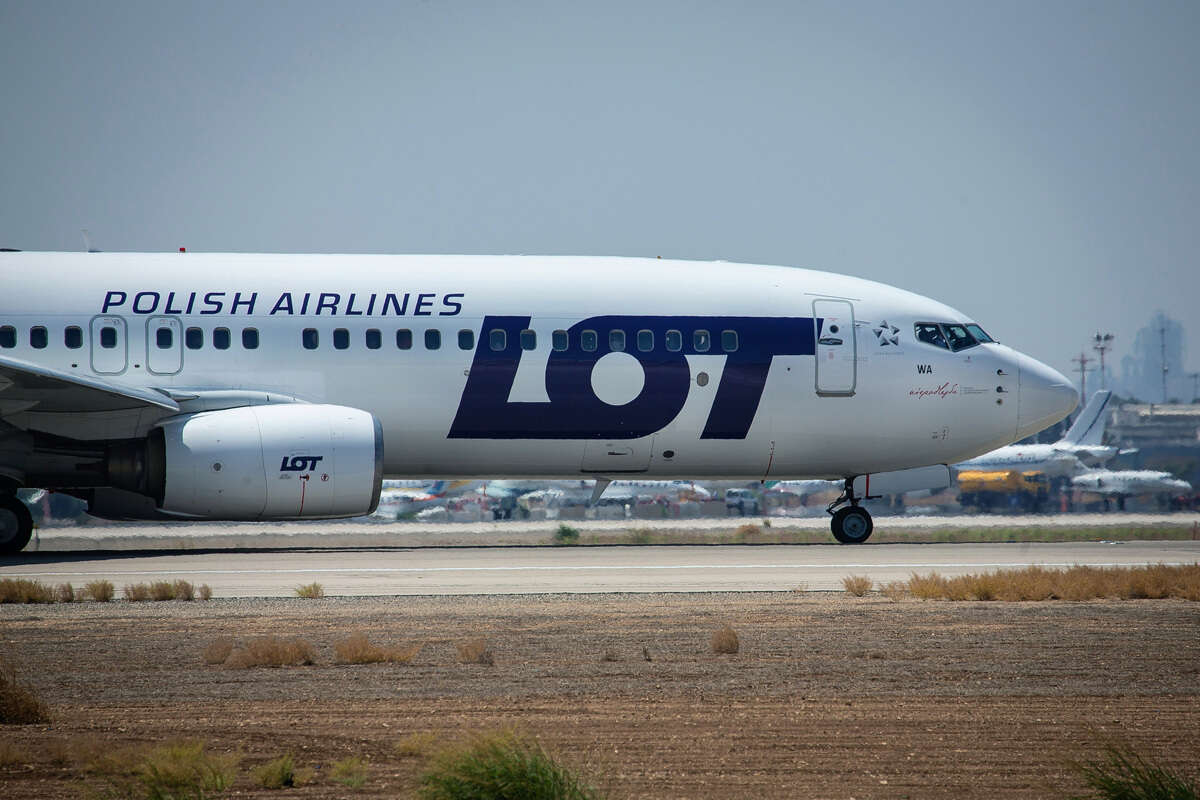
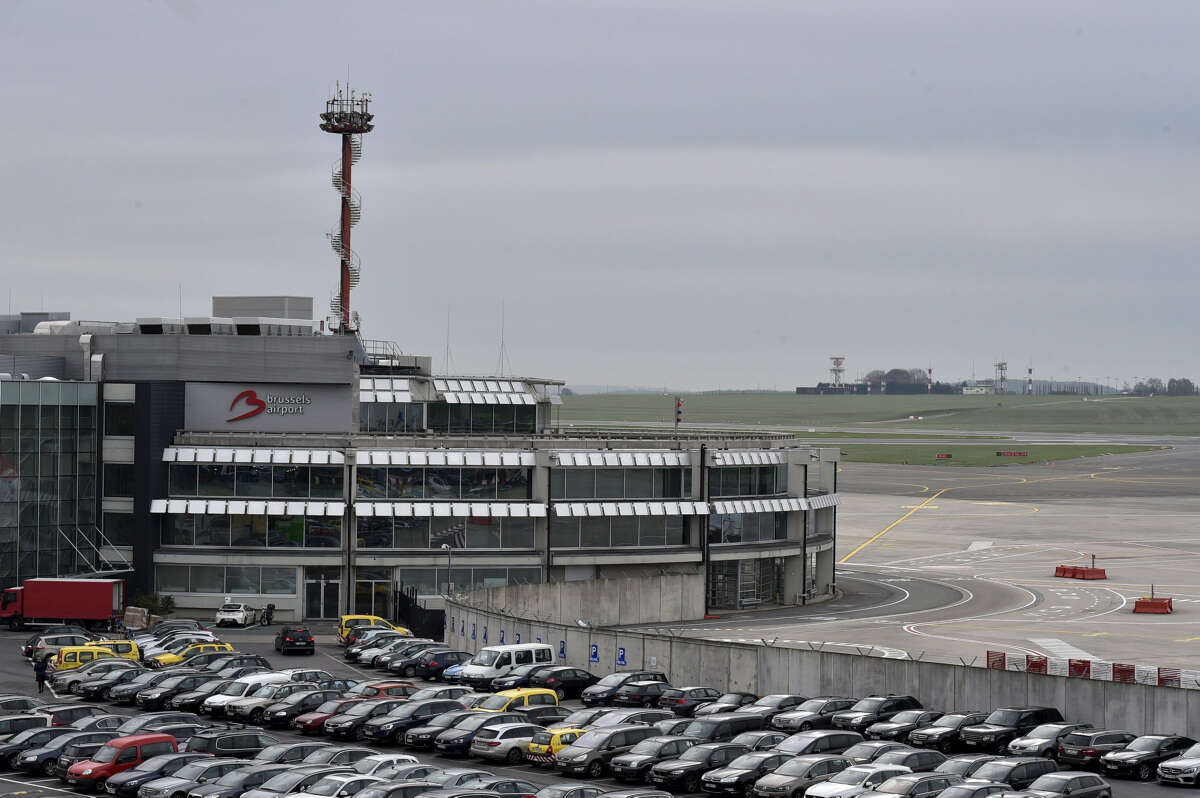
LOT said a Warsaw to Brussels flight landed safely with nothing suspicious found, while a Paris-bound flight was halted during taxi and its passengers were moved to another aircraft. Italian media reported that a Wizz Air flight from Milan to Warsaw was forced to land in Vienna. On Tuesday, at least seven flights and a cruise ship received bomb threats, and no devices were found. Hackers shut down supermarket fridges in several European countries this week, and some experts said hoax threats could fit a similar pattern of cheap, deniable disruption.
Eliran Almog, chief executive of the aviation cybersecurity firm Cyviation, said the threats could both disrupt operations and test how airlines, airports and authorities respond. "These aviation threats are also occurring in the same period as cyberattacks on supermarket refrigeration systems across Europe," Almog said, according to Reuters. "Different essential services are experiencing disruption that carries economic costs and can undermine public confidence."