Israel has overshot its allocated United States military aid budget by $10 billion in defense equipment orders. The discrepancy surfaced Thursday in a State Department document obtained by The Wall Street Journal. At this juncture, it remains uncertain who will shoulder the massive financial shortfall.
The revelation highlights the severe logistical hurdles of cutting off military aid to Israel by the end of the year, a pledge President Donald Trump made on Tuesday. The US has already committed to supplying Israel with nearly $7 billion in military aid over the next two years. The document indicates that the outstanding $10 billion must be added to this total to cover unfulfilled orders stretching into 2028. Because the memo only tracks orders placed through April, the actual deficit may have shifted since then.
The document was delivered to the office of Democratic Representative Joaquin Castro of Texas following his request for clarification on the matter. The letter states that the sum "can be covered by foreign military financing, national funds, or both." Consequently, either Washington or Jerusalem may have to foot the bill. "Even if the memorandum of understanding is maxed out by 2028, there is still $10 billion beyond that, and there is a question of who will pay for it," Joaquin Castro told the newspaper. The State Department declined to comment on the report.
Israel historically receives an annual outlay of approximately $3.3 billion from the US to procure American-made military hardware. Almost no other nation globally receives comparable financial backing. These funds finance massive orders of defense equipment, including bombs, armored vehicles, and fighter jets. The allocations stem from a memorandum of understanding signed during the Obama administration that remains active until 2028. Crucially, this mechanism permits Israel to purchase equipment against future funds before the money is ever disbursed.
At the height of the Gaza war in 2024, Congress greenlit an additional $26 billion in emergency aid for Israel. Data from the Congressional Research Service shows the US has funneled approximately $174 billion in military aid to Israel from 1948 through May 2025, unadjusted for inflation.
The domestic fallout over American military aid to Israel manifested sharply during the midterm elections, handing Republicans a crushing defeat in both houses of Congress. Vice President JD Vance noted on his X account that the alliance with Israel and the war in Iran were primary factors driving voters away from the party. He also shared polling data suggesting that halting the Iranian conflict and recalibrating the US-Israel relationship would help the Republican Party regain lost ground.
American and Israeli officials have spent months deliberating a gradual phase-out of the aid structure, with Israeli Prime Minister Benjamin Netanyahu proposing an end to direct assistance within a decade. Despite these ongoing talks, Trump's abrupt remarks caught Israeli officials and the local defense establishment entirely off guard, according to The Wall Street Journal.
Meanwhile, a newly drafted congressional bill seeks to pivot funding away from direct procurement aid and toward defense investments and joint military technology production. Lawmakers intend to bundle the proposal into the annual defense budget, which they expect to finalize by the end of the year. Proponents argue the legislation will streamline Pentagon collaboration with Israel. They point to the Iron Dome as a successful precedent, given the heavy involvement of American defense contractors in its development. Conversely, critics warn the move would embed Israel so deeply within Pentagon supply chains that future legislative efforts to sever the partnership would become nearly impossible.
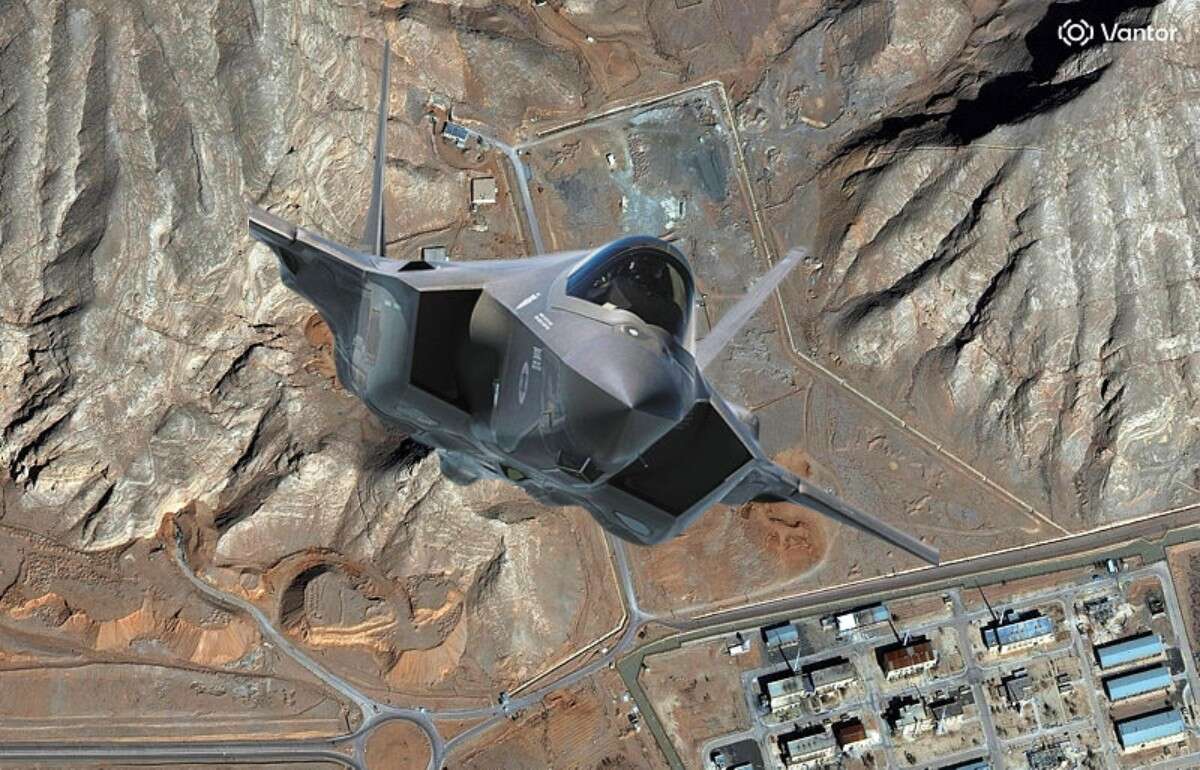
However, joint production initiatives fail to address immediate tactical requirements. Israel relies heavily on a continuous influx of American munitions, having absorbed thousands of bombs in recent years. Unraveling the current procurement framework will likely take years. The shift also leaves unresolved questions about financing future acquisitions, such as an incoming squadron of 25 advanced F-35 fighter jets.
Should Israel assume the burden of independently financing its arsenal, its national defense expenditures would inevitably surge. Even supplemented by American aid, the country currently allocates roughly 7% of its gross domestic product to defense – a higher threshold than any NATO member state. Furthermore, US law mandates that the administration maintain Israel's "qualitative military edge" over regional adversaries, a statutory obligation that halting aid would severely complicate.