The decline in the intensity of the various combat fronts has not eased the Israel Defense Forces' headaches. In many ways, the opposite is true: As long as the shooting continues, other matters are pushed lower on the list of priorities. When calm sets in, they resurface with great force.
Two main issues are now occupying the IDF. The first is the length of mandatory military service. On Jan. 1, the additional reduction in mandatory service, from 32 months to 30 months, is due to take effect. The IDF is pressing the government to complete the amendment to the law, in its second and third Knesset readings, before the summer recess. Although the implications have been made clear to Prime Minister Benjamin Netanyahu, Defense Minister Israel Katz and cabinet members in every possible way, including in letters sent by IDF Chief of Staff Lt. Gen. Eyal Zamir, they have shown little concern.
A senior officer said bitterly, "The spectacle of a government gripped by frenzy and occupied 24/7 with appeasing ultra-Orthodox draft dodgers, while imposing an additional burden on those who are already serving, is hard to watch."
As revealed in Israel Hayom about two weeks ago, if the reduction in mandatory service is not canceled, the IDF will have to close regular combat units and place an additional burden on the reserves. Under the plan that has already been drawn up, various missions and positions will also be cut. The IDF has been dealing with the issue in recent weeks against the backdrop of the distress it has found itself in due to the gap between the costs of the war and the budget that was set.
Last week, it was agreed that the defense budget would increase by 15 billion shekels ($5 billion). The IDF had demanded an additional 40 billion shekels ($13.3 billion), and it was decided that the gap would be reexamined in October. The chances of that happening in a month when elections are to be held are slim, and so the IDF is preparing to cut missions in order to save money.

Among other things, community security squads in Judea and Samaria, community security squads along the Lebanon border and some security missions along the Syrian border will be cut. The IDF says this will also be possible because of the forward deployment of forces in the various sectors, which reduces the need for expanded defense formations inside the communities themselves. A reduction is also planned in the number of reservists manning headquarters, against the backdrop of the decline in the intensity of the war.
The second issue is force buildup and stockpiles. The IDF has received approval to launch the procurement project for two new fighter squadrons, F-35s and F-15IAs, but the delay in discussions on renewing US security aid is deeply troubling the defense leadership. The current aid agreement, estimated at $3.8 billion a year over 10 years, is due to expire in 2028, and voices in the US administration and in Congress are growing louder in favor of canceling or reducing it.
A senior defense official said Netanyahu had instructed the defense establishment to prepare for a complete cancellation of the aid toward the end of the next decade, meaning in about 12 years. It was also decided to allocate about 150 billion shekels ($50 billion) over the next decade for procurement, as part of a plan to reduce dependence on foreign countries, mainly in munitions and spare parts.
However, the IDF is warning that the plan to voluntarily cancel US aid could be dangerous because Israel does not have the ability to produce key platforms by itself, such as fighter jets, refueling aircraft, helicopters and more. "We must remain in the position of a preferred partner of the US," a senior official said. "We must not reach a situation in which the administration treats us like 'just another customer' whose power can be cut off at any moment."
The chance of renewed war with Iran
Last week, US Central Command commander Adm. Brad Cooper visited Israel. To his interlocutors, he appeared mainly concerned about what was happening in the Strait of Hormuz. He also did not rule out the possibility that the US and Iran would fail to reach an agreement and that fighting would resume. Israel assesses that this will not happen, if it happens at all, before the midterm elections in November, and stresses the need to closely monitor Iran's nuclear project to ensure that Tehran does not carry out any fait accompli moves that would shorten its path to a bomb.
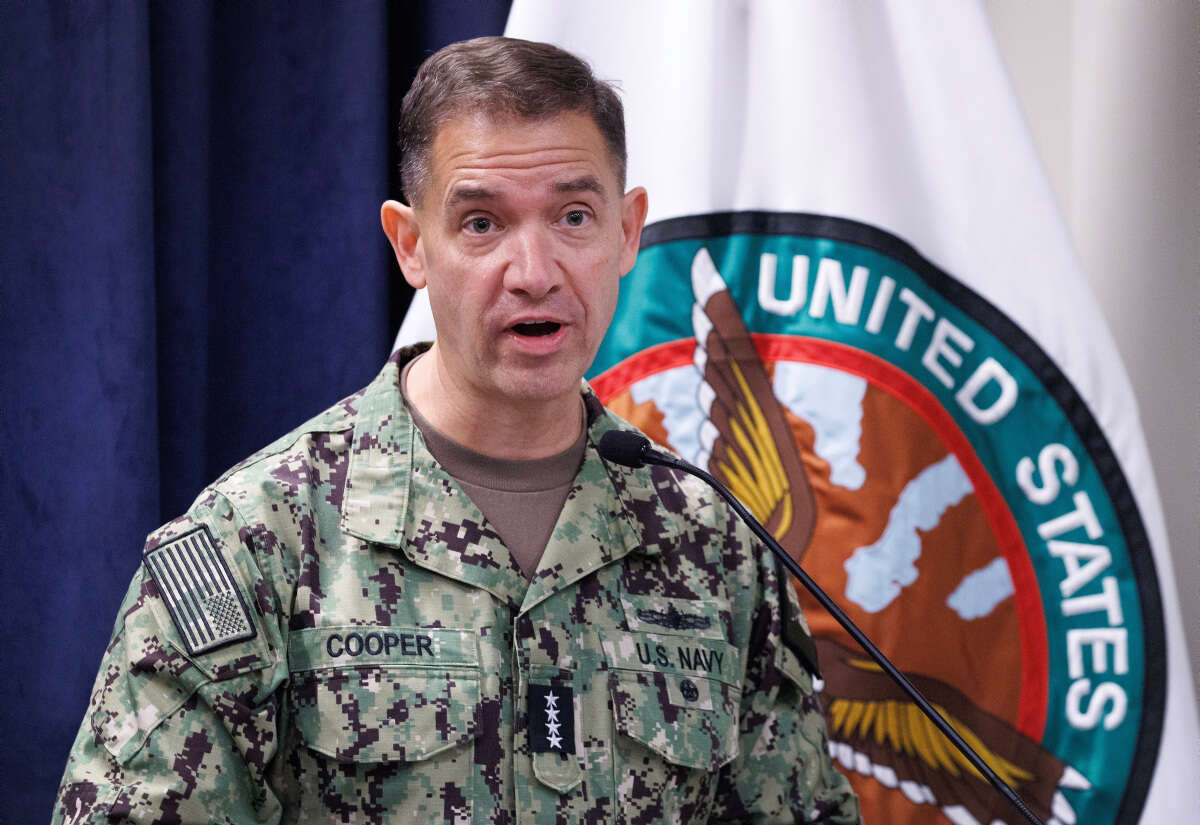
US Central Command is the body that is supposed to oversee the Israeli-Lebanese arrangement. In talks in Washington, it was agreed to begin a pilot program under which the IDF would withdraw from two areas in southern Lebanon and the Lebanese army would take over in its place. In the coming days, the criteria will be finalized for determining what constitutes a "clean area," meaning free of Hezbollah, so the pilot can be expanded to additional areas.
At this stage, the IDF does not intend to withdraw from the area seized north of Beaufort, beneath which there is a large Hezbollah underground infrastructure where dozens of the organization's operatives are trapped. The Americans have been told that the intention is to eliminate the terrorists and destroy the infrastructure, in order to prevent Hezbollah from reestablishing itself there in the future.