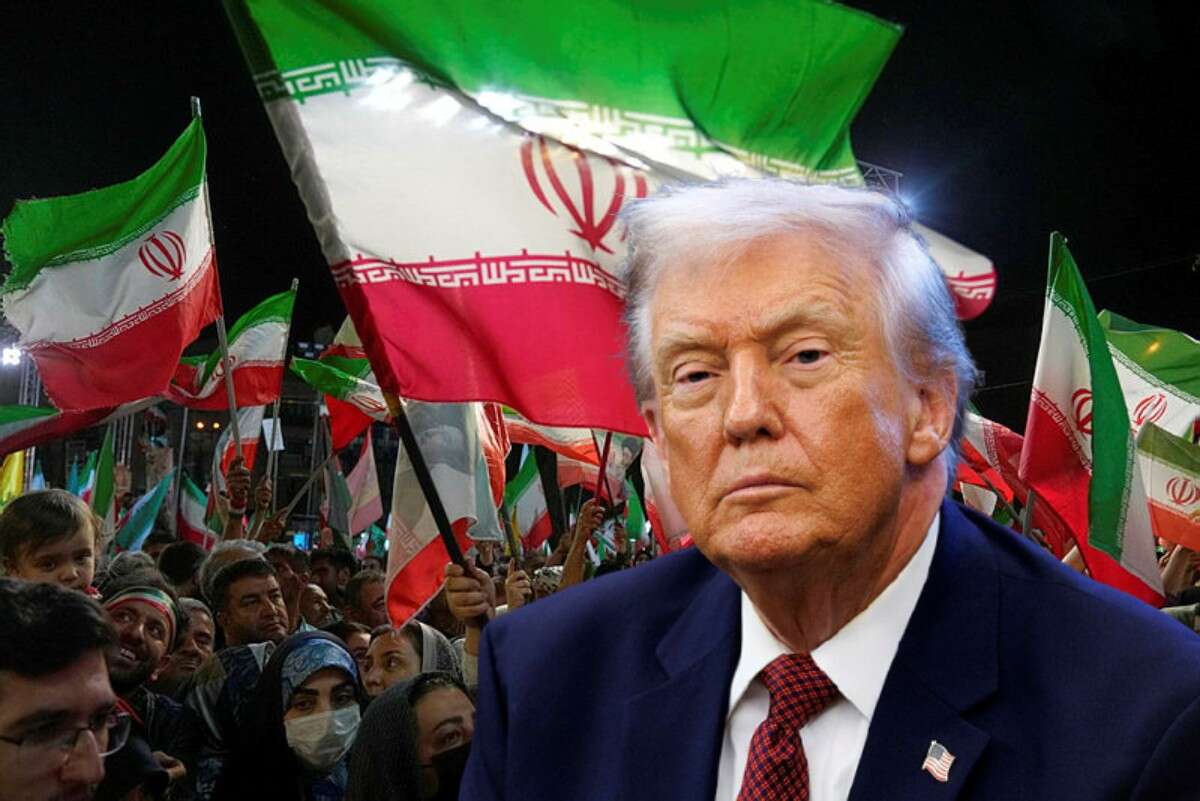
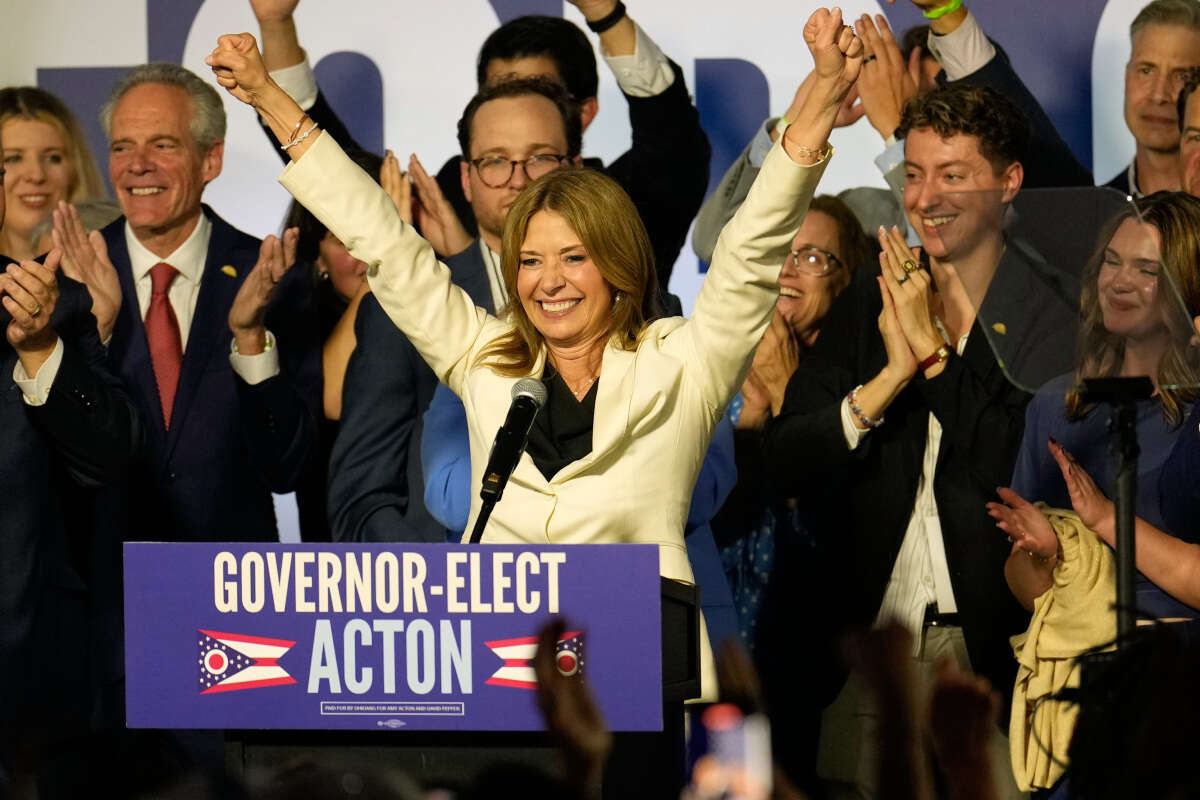
Israeli and American diplomatic officials say the results of the midterm elections, and the weakening of President Donald Trump's standing, could shift policy toward Iran – though not necessarily toward negotiations at any cost.
One of the officials says Trump will be determined to end the war and achieve the overarching goal of removing the nuclear threat. He is driven by added motivation, because he sees Iran as bearing at least partial responsibility for a loss driven by rising fuel prices.
Still, the main story remains Trump's desire to bring about a dramatic change in the Middle East, with Iran standing between him and that achievement. He will therefore try to speed up completion of the mission. In that sense, Iran succeeded, with extensive and deep assistance from Qatar, in delaying military action to some degree. But it remains stuck with a worsening economic crisis, zero oil exports and extremely limited imports.
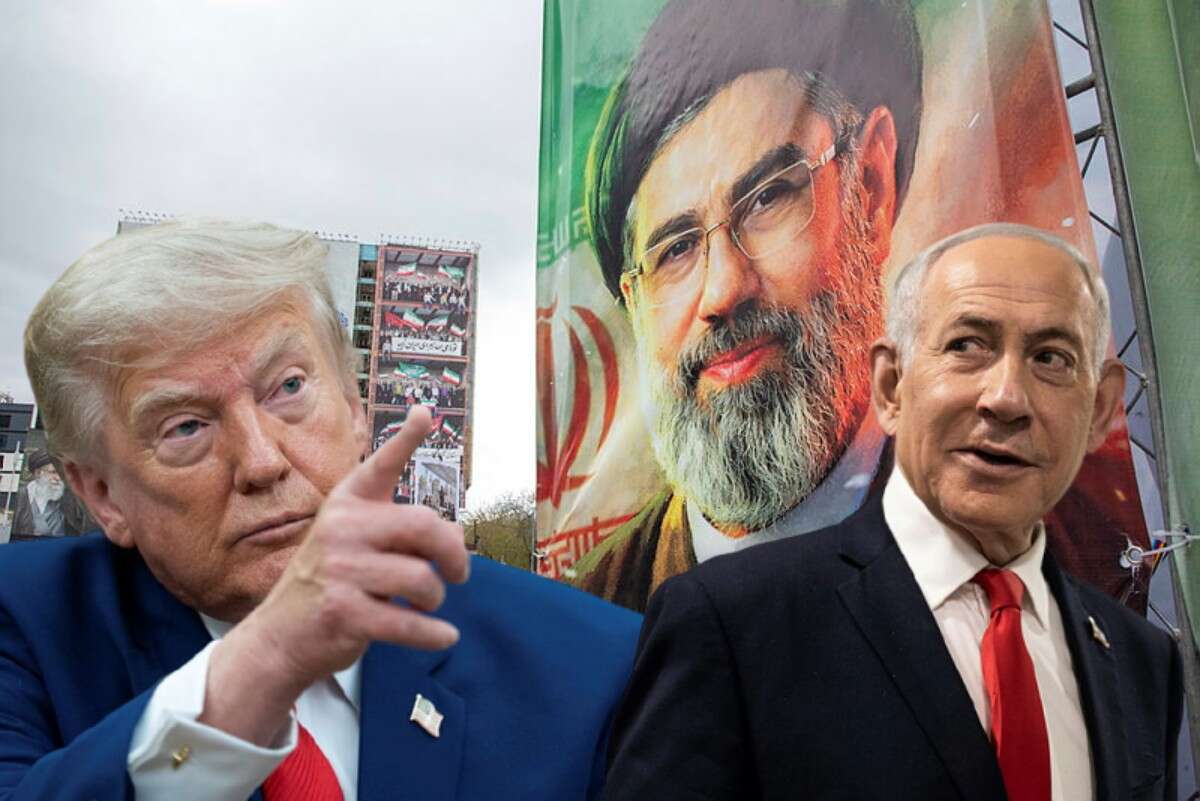
But the clock is ticking. We have two final years of grace with a supportive but scarred and weakened president, a window to end the war with Iran with the best possible results and to lay the groundwork for the new kind of Israel-US relationship. The period before Trump's term ends is dramatic for all of it – Iran, then a regional diplomatic arrangement, and the diplomatic-security relationship between Jerusalem and Washington.
That relationship is Israel's greatest strategic strength, and it now faces real danger. What was once the lunatic fringe of Congress has become the mainstream. The institution that was once more pro-Israel (and therefore also more pro-American) than most presidents has flipped.
The Qatari victory
This happened in the wake of a campaign that was primarily Qatari, though other countries were also involved. It is a years-long, dollar-rich campaign, antisemitic in essence, which holds that Israel is to blame for nearly every woe Americans have, has no right to exist, and is a state of European colonialists that usurped the lands of the poor Palestinians, "the natives," before they even knew they were such.
The campaign worked from the grassroots, from organizations of preschool teachers and schoolteachers, to massive investments in universities and colleges. It is a fascinating subject for in-depth academic research, if only there were universities and researchers who were untainted and unbiased against Israel.
The implications of the election results are immediate, even though the new Congress will not be sworn in until January. The president is responsible for foreign policy, but he needs Congress for budget approvals and for approvals to extend wars and military operations. Trump's somewhat hasty statement on Election Day about a full halt to aid to Israel only seemed to prove the anti-Israel camp's claim that American aid does come at the expense of budgets meant for American citizens.
Congress is expected to make the war effort in Iran harder, and this is the most dramatic issue on the table. It will not be able to actually stop the moves, at least not for, say, several months, but it can "throw other wrenches in the works."
In the immediate term, then, the urgency of completing the mission against Iran is now clear – removing the existential threats to Israel, the nuclear threat, the chemical threat and, of course, the missile threat.
This can be done by tightening the crippling economic blockade even further, along with sanctions and seizures of crypto wallets belonging to the Revolutionary Guards. But speeding things up probably requires something more, more substantive pressure, an event that will push the regime over the cliff. The US, Israel and several Gulf states are working on that event, and their fear of the future because of the election results is greater than ever.
Even so, Israel has been and remains a military and diplomatic pillar that can be relied upon. That may hold now as well, meaning that Saudi Arabia, too, will come on board in return for official and unequivocal assistance under a trilateral agreement with the US. But the opposite is also possible, because Israel's strategic advantage – the support of the White House and Congress – has now eroded considerably.
Bottom line, we are entering a new era, one that may shift back somewhat. But it is an era in which Israel will have to reach independent military capabilities faster than expected, while repositioning itself diplomatically against a hostile European world and a confused America, with almost automatic backing already gone.
Israel must set in motion diplomatic moves that would neutralize at least part of the international criticism without endangering its security. It must act resolutely against image catastrophes, such as Jewish rioters in Judea and Samaria. It must build a public diplomacy apparatus with giant budgets, and hope for the best. Oh, and form a broad government that can do all of this.