
If there's one thing Americans love almost as much as baseball, it's election statistics. And the numbers from the midterm elections look less like election results and more like the final score of a game that got completely out of hand.
The Democratic Party didn't just win. It steamrolled the opposition, leaving a cloud of blue dust in its wake. Democrats secured an overwhelming majority in the House of Representatives and pulled off the seemingly impossible by capturing the Senate as well, including victories in traditionally Republican states.
And like any great sporting event, there were records to be broken. For the first time in decades, Texas elected a Democratic senator. Kansas sent a Democrat to the Senate for the first time since 1932. Republican governors were ousted by Democratic challengers. This wasn't just a blue wave. It was a political earthquake.
America's demographic shift
The real story, however, isn't just about geography. It's about demographics.
Remember that magnificent coalition President Donald Trump assembled, or at least believed he had assembled? That new alliance of blue-collar workers, conservative minorities and Latino voters that propelled him to victory in 2024? Well, that coalition crumbled faster than a fortune cookie in a Chinatown restaurant.
Take Webb County, on Texas' southern border with Mexico. In 2020, former President Joe Biden carried the county by 23 percentage points. In 2024, Latino voters there swung sharply to the right, handing Trump a narrow 2-point victory. Narrow, but a victory nonetheless. And yesterday? Democratic candidate James Talarico won the county by a staggering 47 percentage points on his way to the Senate.

The American media are running out of metaphors. Commentators are talking about a wipeout, an electoral bloodbath and an earthquake of tectonic proportions. Put simply, the referendum on the first two years of Trump's second term ended with voters handing him a resounding failing grade.
During his 2024 campaign, Trump promised to bring down the cost of living and keep America out of endless wars in the Middle East. He delivered on neither promise. In the midterms, Trump urged voters to cast their ballots as though his own name were on them. Judging by the results, voters obliged. And this is what happened.
For those of us in Israel, it's easy to panic. Commentators are already warning of an end to US aid, frozen arms shipments and an unprecedentedly hostile atmosphere on Capitol Hill. There is some truth to those concerns. Nevertheless, there is also room for cautious optimism.
The end of the Trump era?
The collapse of Trump's electoral coalition could signal the end of the Trump era within the Republican Party. And that, too, presents an opportunity for Israel. More importantly, though, the truly interesting developments are taking place on the winning side.
Democrats scored one of the greatest electoral victories in their history yesterday, and they did so without a clear leader. Does anyone seriously believe Senate Democratic leader Chuck Schumer or House Democratic leader Hakeem Jeffries deserves the credit for this victory?
This was a grassroots triumph. Democrats won thanks to young, ambitious candidates and an extraordinary hunger for change among their supporters. Yes, the election of Abdul El-Sayed in Michigan poses a genuine danger. El-Sayed, who will become a senator in two months, is a candidate with a radical agenda hostile to Israel. The very fact that such a candidate can win in a crucial swing state should serve as a warning.
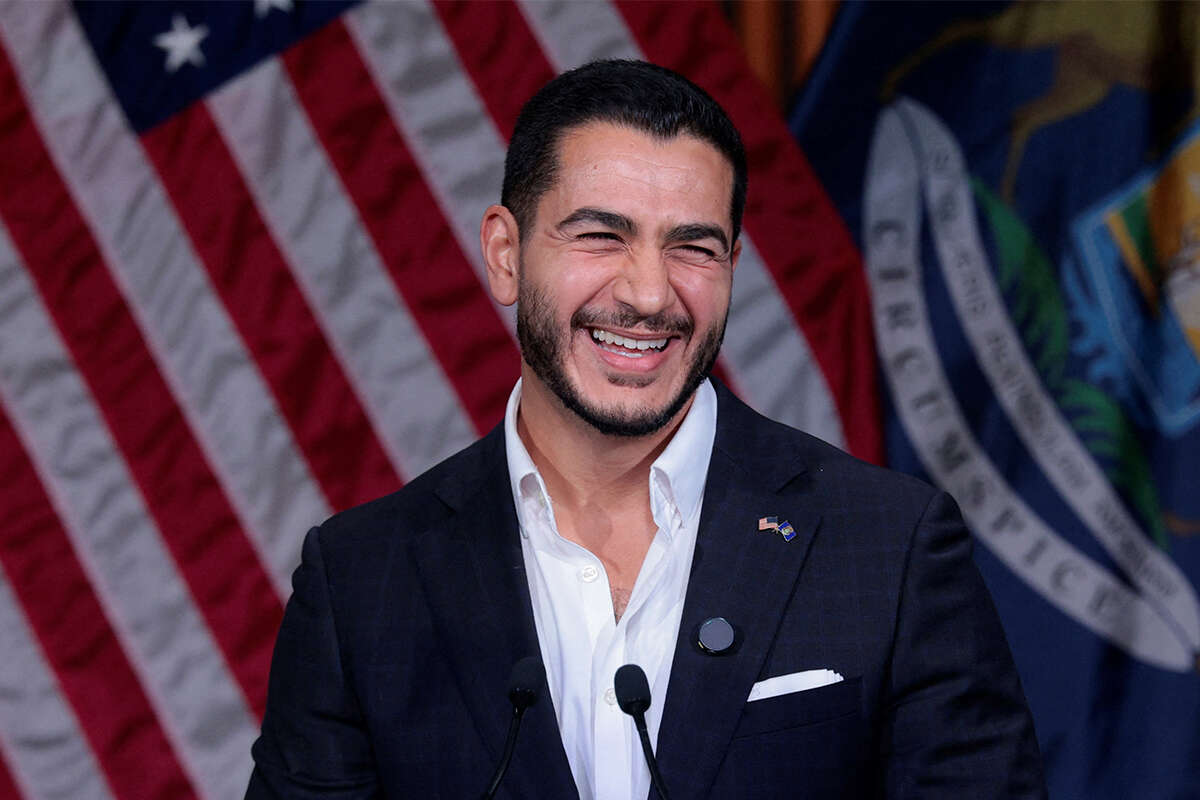
But it is important to remember that the Democratic Party is at a critical crossroads. The battle for its soul is far from settled, and the El-Sayeds of the party are hardly the only players on the field.
Consider the names being floated as potential Democratic presidential candidates in 2028. They include Georgia Sen. Jon Ossoff, Pennsylvania Gov. Josh Shapiro, Illinois Gov. JB Pritzker and Rahm Emanuel, the former Chicago mayor who served in the Obama administration. All four are skilled politicians. All four are Jewish. And all four are friends of Israel, even if each expresses that support in his own way.
A battle for the party's soul
What does all this mean for us in Israel?
An enormous struggle is underway over the future of the Democratic Party, and the radical progressive wing is far from having won it.
This is a moment of opportunity for Israel and its friends in the United States. We must act wisely to ensure that the faction emerging victorious from this struggle is one that identifies with Israel's vision and the democratic values our two countries share.
We must resist the dangerous thinking that has taken root here in recent years: the notion that American bipartisanship is dead and that Israel should put all its chips on the Republicans.
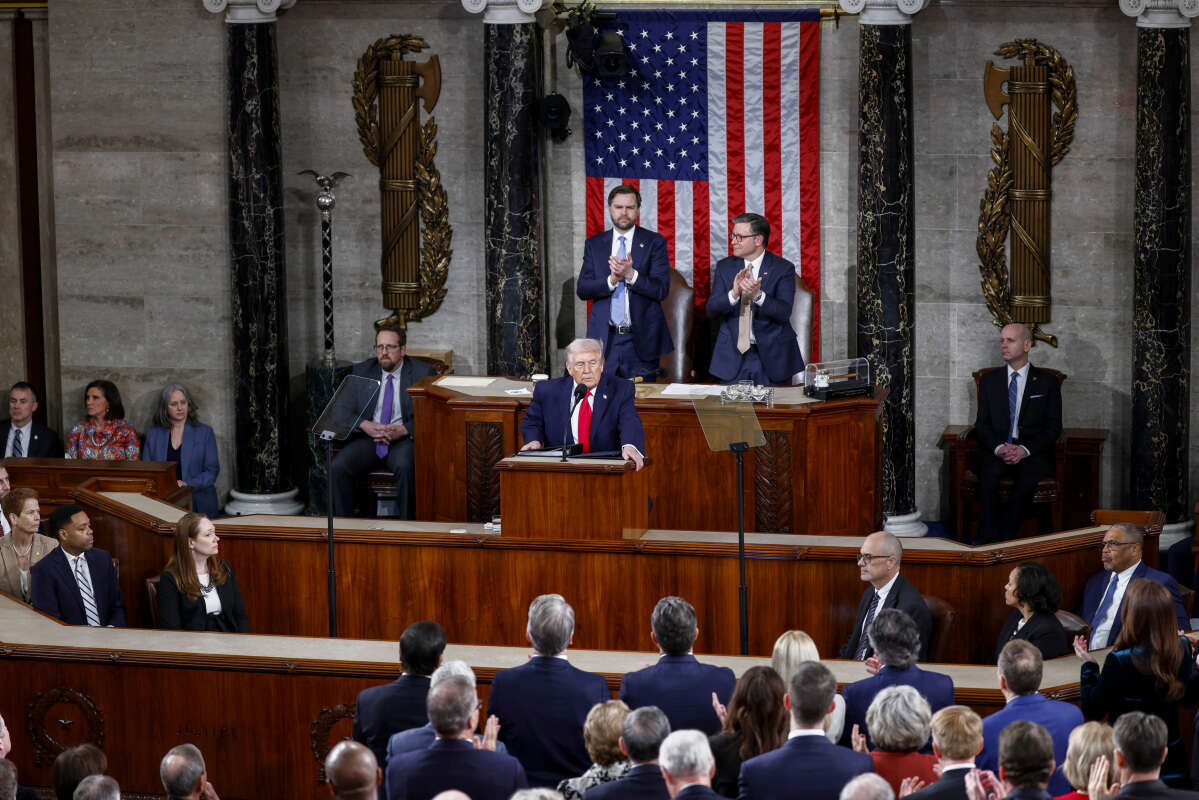
Both of America's major parties are undergoing tremendous upheaval, as yesterday's elections made abundantly clear. On the Republican side, the Trump era has come to an end. On the Democratic side, it remains unclear who will determine the party's direction.
Our task is to make sure that when the dust settles and this transitional period ends, Israel has genuine friends in key positions on both sides of the political divide, among Republicans and Democrats alike. The historic alliance between the United States and Israel must continue to flourish.
These elections represent a major test, but they also offer a historic opportunity to reposition Israel and strengthen that alliance for generations to come.
This time, it's up to us.