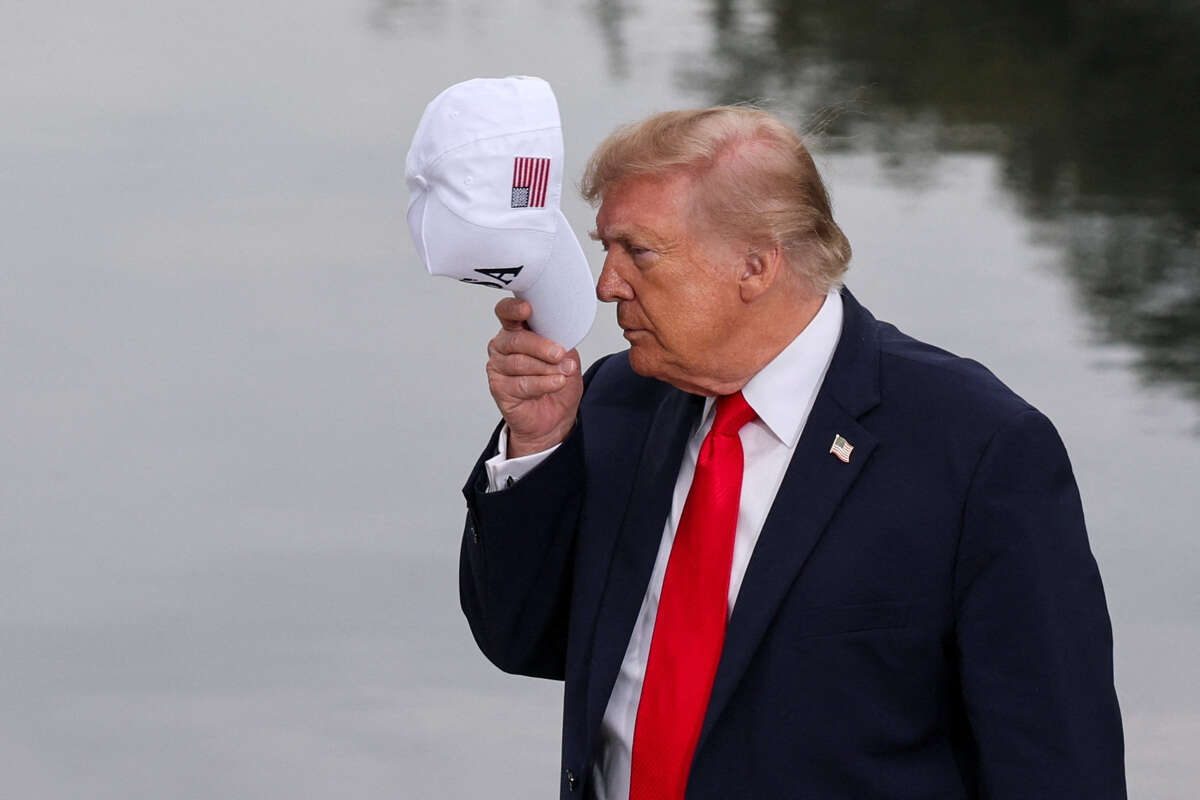
So Trump lost the midterms and is now a lame duck for the next two years, right? Not quite.
Applying conventional political wisdom to Donald Trump's movement has always been a fundamental misdiagnosis. The modern Republican Party is no longer built around the laborious, policy-heavy work of passing grand legislative packages; it is an executive-first apparatus.
Trump, who entered office in 2025 with a clear determination to max out his dual control over the legislative and executive branch, successfully passed the "Big Beautiful Bill" and enshrined the tax breaks he ran on into law for generations. He also accomplished many other things without even consulting Congress, and even when the Republicans did try to exert some form of oversight, it was pinpointed and most likely just for show to help them with their own constituents. (i.e. the Iran war limits).
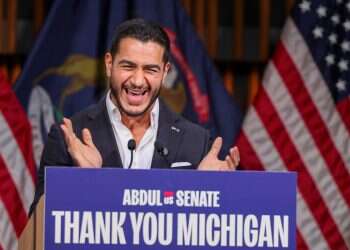
Now that Congress' dual chambers were retaken by the Democrats, it is safe to say that Trump is actually relieved. Why? Because this is the perfect setup for a president obsessed with his legacy.
Unlike Democrats, whose political identity depends on sweeping legislative programs – Obamacare, voting rights, debt forgiveness, and poverty alleviation – Republicans see government differently: The White House is where the real power rests. An extreme example is when lawmakers on 9/11 initially doubted whether then-Vice President Dick Cheney could order Capitol Hill and other parts of Washington evacuated, to which he simply replied, "You have to, because we have the choppers," referring to the US military.
With his sweeping deregulatory framework and foundational tax policy firmly established, the heavy lifting of traditional GOP policy is already in the rearview mirror. What remains for his second term is not a high-stakes legislative wish list, but the aggressive exercise of executive authority and high-visibility cultural battles – none of which require a single vote from Congress.
In the American ethos, governing with unified control is often a poison pill. Although not explicitly articulated by the Founding Fathers, their system of checks and balances effectively guarantees that a president will preside over a contrarian Congress for at least two years of his term.
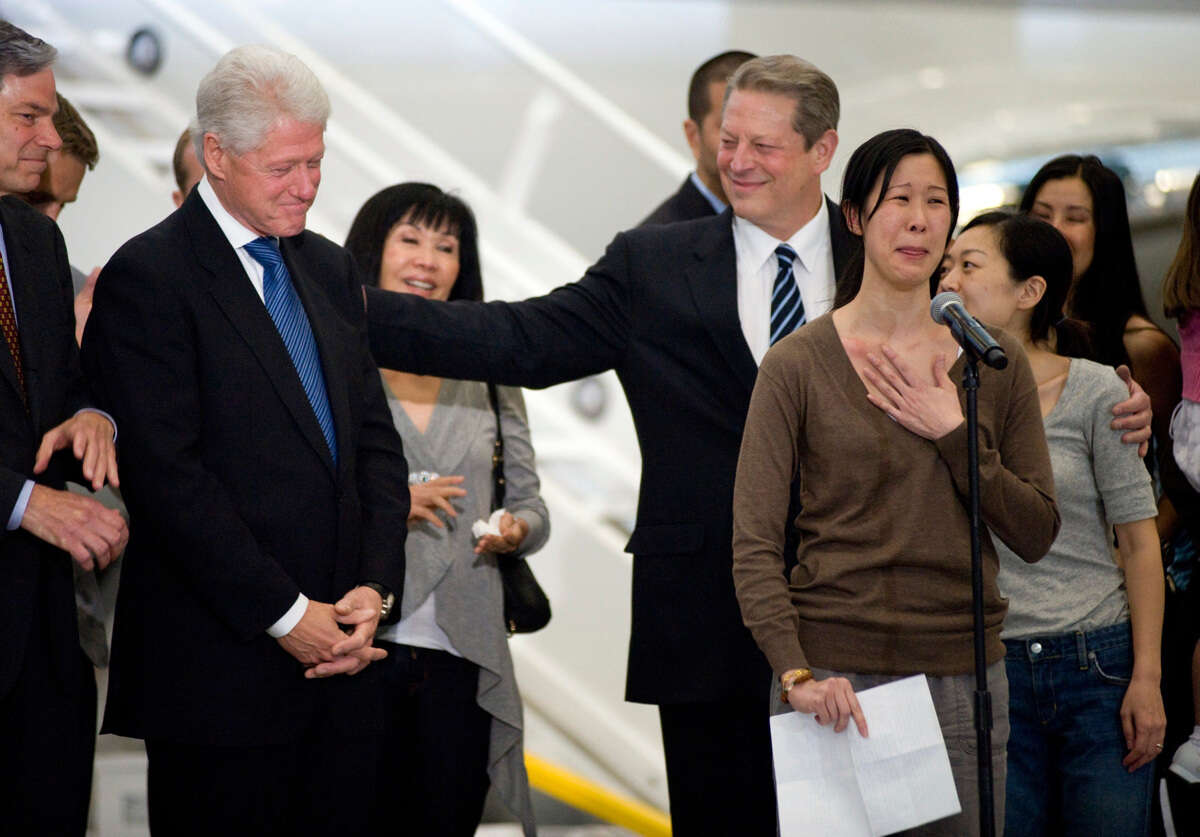
During the Clinton years, this was clearly evident: While the 42nd president enjoyed consistent high approval ratings, voters made it clear to draw a line in the sand for six years out of eight years in office, giving him a Republican Congress that ultimately forced him to produce welfare reform, a balanced budget, and overall tweaks that made him the darling of middle America (like a focus on education, school uniform, and family values). All this remade him as a Reagan Democrat and reassembled his coalition of voters of hard-core Democrats, moderate "third-way" independents, and disillusioned Republicans just in time for November 1996. In fact, Clinton probably thanks Newt Gingrich every morning for the 1994 Republican Revolution in which the GOP swept Congress, as this was the first step toward his re-election. Ultimately, this was the harbinger of his legacy of "Peace and Prosperity" that he wanted Al Gore to run on in 2000 (only to realize that his vice president was more concerned over distancing himself from his boss because of Monica-gate).
Practically speaking, when the White House and Congress are gridlocked, its a boon for the executive because it puts the onus on 535 legislators rather than on one single unitary office-holder on 1600 Pennsylvania Ave. Trump, who has become obsessed with securing his legacy through new physical monuments in Washington and other grand projects, could not care if he passes more bills from now until January 20, 2029. Anything he doesn't like he will simply veto. If a Supreme Court vacancy comes up, he will likely try to strike a one-off deal with lawmakers to fill it, but worst-case, he will ride it out for the rest of his term and rely on the conservative tilt in the Supreme Court.
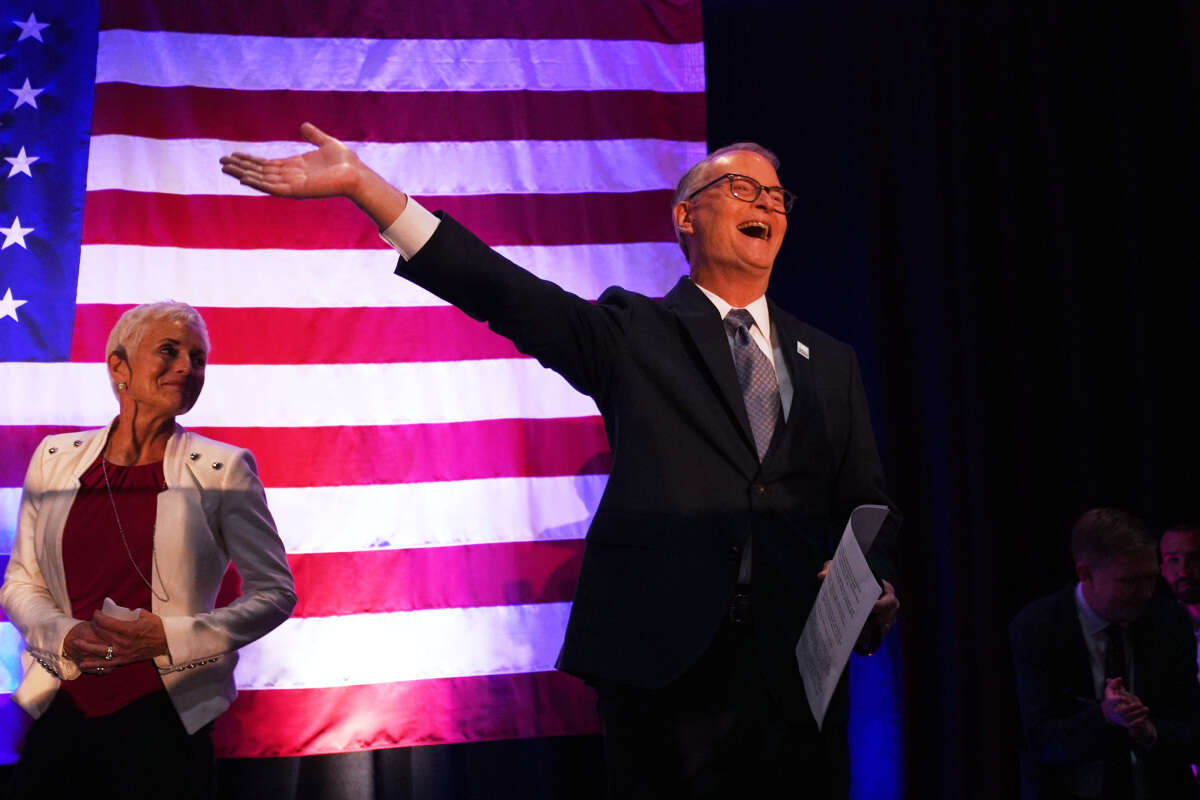
By losing the legislative branch, the White House is instantly liberated to rule by executive mandate while pointing directly at Capitol Hill to explain away domestic friction.
Will Trump be constrained on Iran and other foreign policy matters? Unlikely. Congress will never defund the military and has no real power to stop him from engaging in intermittent bombing in Iran. In fact, even another Epic Fury campaign can be easily executed without congressional approval, because Trump won't ever call it a war and therefore he won't need to secure a Declaration of War.
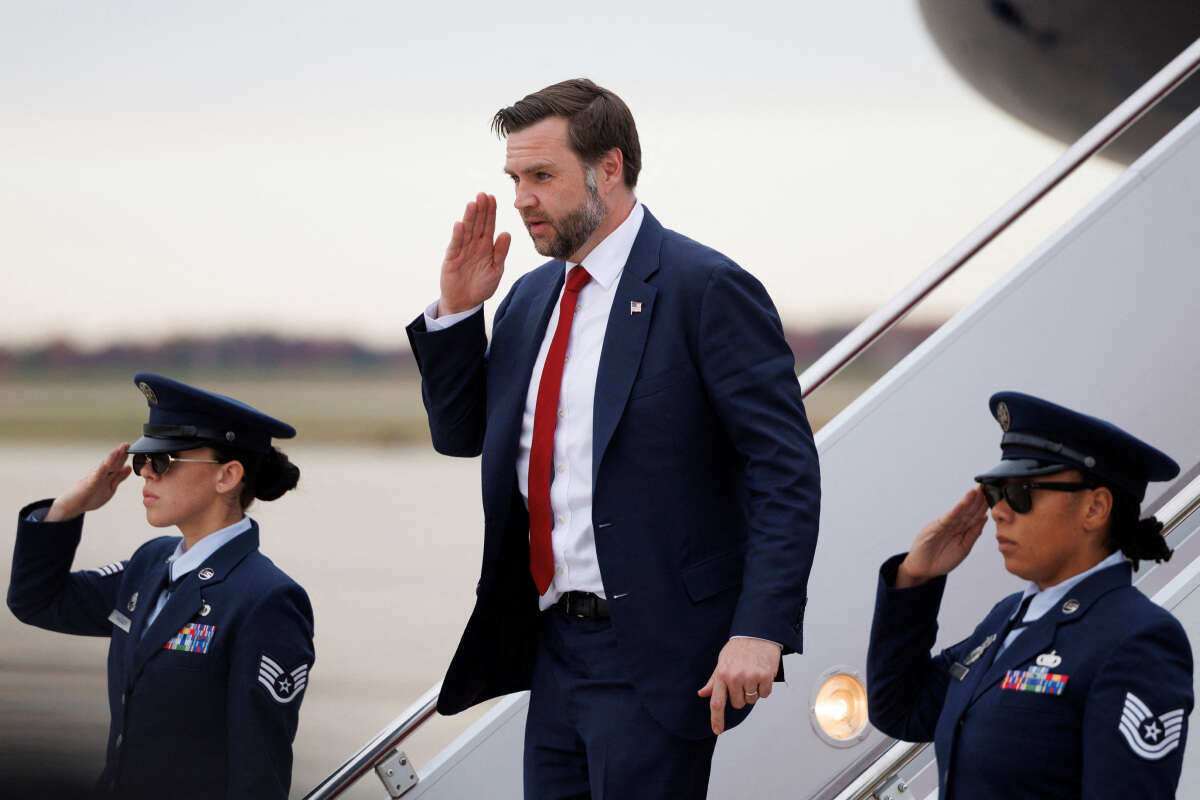
But Trump's legacy will actually start on January 20, 2029, when a new president takes office. His real goal is to have a Trump-like president being sworn in at noon. It is safe to assume that Vice President JD Vance is Trump's preferred choice.
Thus, having the Democrats in control of Congress for the next two years (with Vance also presiding as the president of the Senate) will ensure that the 2028 presidential campaign (which is only months away from being launched), will favor the Republicans.
As the heir apparent to the populist movement, Vance relies on an insurgent, anti-establishment posture that decays rapidly under the weight of traditional governance. Had the administration spent the next two years negotiating watered-down, bipartisan compromises, Vance would be forced to run on defense in 2028. Instead, a Democratic-controlled Congress hands him a battle-tested platform. Every blocked bill, aggressive subpoena, and funding fight transforms into fresh campaign fodder.
Rather than campaigning as an incumbent defending the establishment, Vance can crisscross the country as an unencumbered prosecutor indicting a "do-nothing" legislative branch from inside the executive mansion.
Democrats may find that their midterm triumph was less a check on executive power and more a setup for their own defeat in 2028. Anyone who thinks November brought the midterm blues (pun intended) to the GOP, should expect a 2028 reds (pun intended again) for the Democrats.