We have two last years of grace with a friendly but scarred and weakened president, and we must use them to end the war with Iran with the best possible outcomes. Otherwise, Iran will recover militarily, along with Hezbollah and perhaps Hamas, and most of the world's hypocritical, foolish leaders will not stand with us.
Years ago, a Palestinian journalist argued to me that without America, Israel would have lost every war. I reminded him of the War of Independence and the Six-Day War, in which we won almost entirely on our own. It would be harder, I told him, but we would win every military campaign.
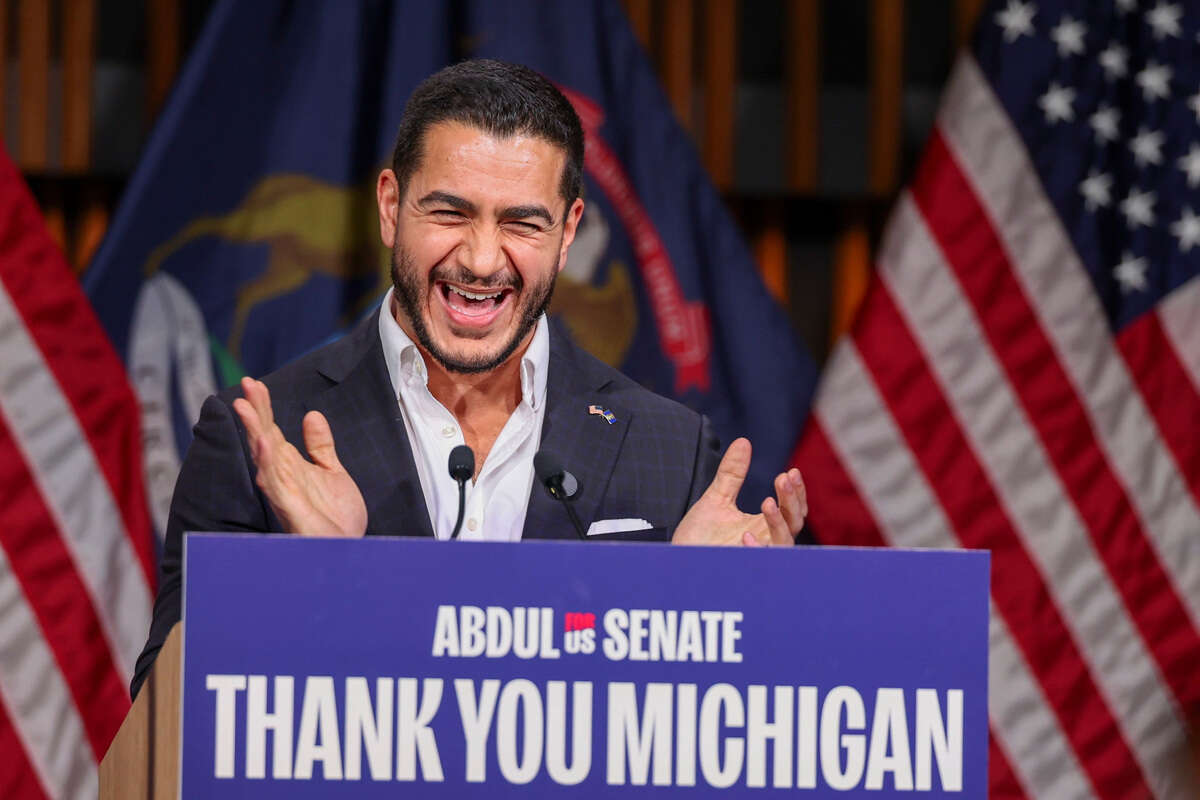
The journalist's claim is a familiar thesis in the Arab world; Qatar, though not alone, was the one that took it upon itself to change that picture. Overnight Tuesday, the process was nearly completed. One pro-Israel stronghold remains, the White House, and it too will probably fall in the next election or the one after. Some will call that an exaggeration, and quite a few pro-Israel senators and House members remain. But what was once the lunatic fringe of Congress has become the mainstream, and the place that was once more pro-Israel (and therefore also more pro-American) than most presidents has flipped.
The cause was a years-long, dollar-rich campaign, antisemitic in essence. It held that Israel is to blame for nearly every trouble Americans have, has no right to exist, and is a state of European colonialists that stole the land of the poor Palestinians, the natives, before they even knew that is what they were. The campaign worked from the roots, from organizations of kindergarten teachers and schoolteachers to massive investments in universities and colleges. It is a fascinating subject for in-depth academic research, if only there were universities and researchers who were not tainted and not biased against Israel.
The implications of the election results are immediate, even though the new Congress will be sworn in only in January. The president is responsible for foreign policy but needs Congress to approve budgets and to approve extensions of wars and military operations.
President Donald Trump's somewhat hasty declaration on Election Day about a full halt of aid to Israel only seemed to prove the claim of anti-Israel critics that American aid does come at the expense of budgets meant for the American citizen. And try explaining to them that the $3.8 billion a year brought several times that amount into America every year, in jobs, arms sales, joint developments and more.
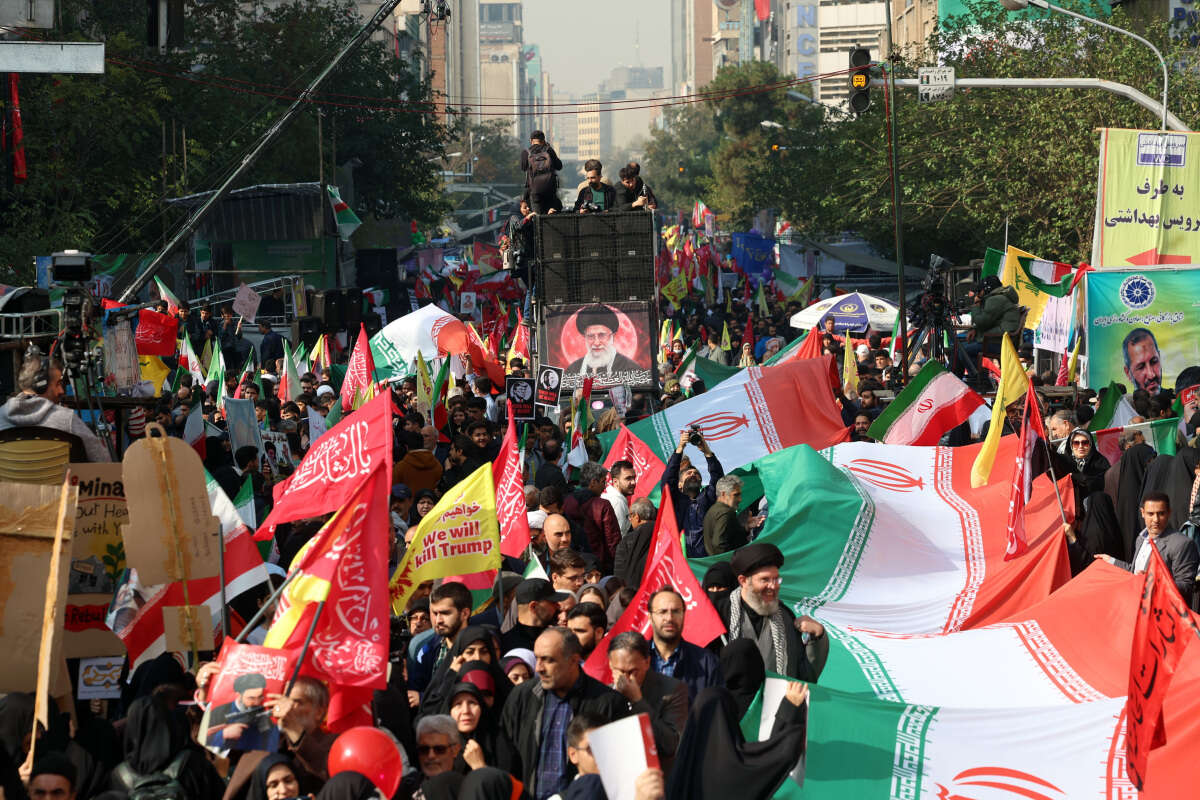
Congress is expected to complicate the war effort in Iran, the most dramatic issue on the table. It will not truly be able to halt the moves, at least not for several months, but it is perfectly clear that it will try, despite the complete contradiction to American interests and to those of every US-friendly state in the region.
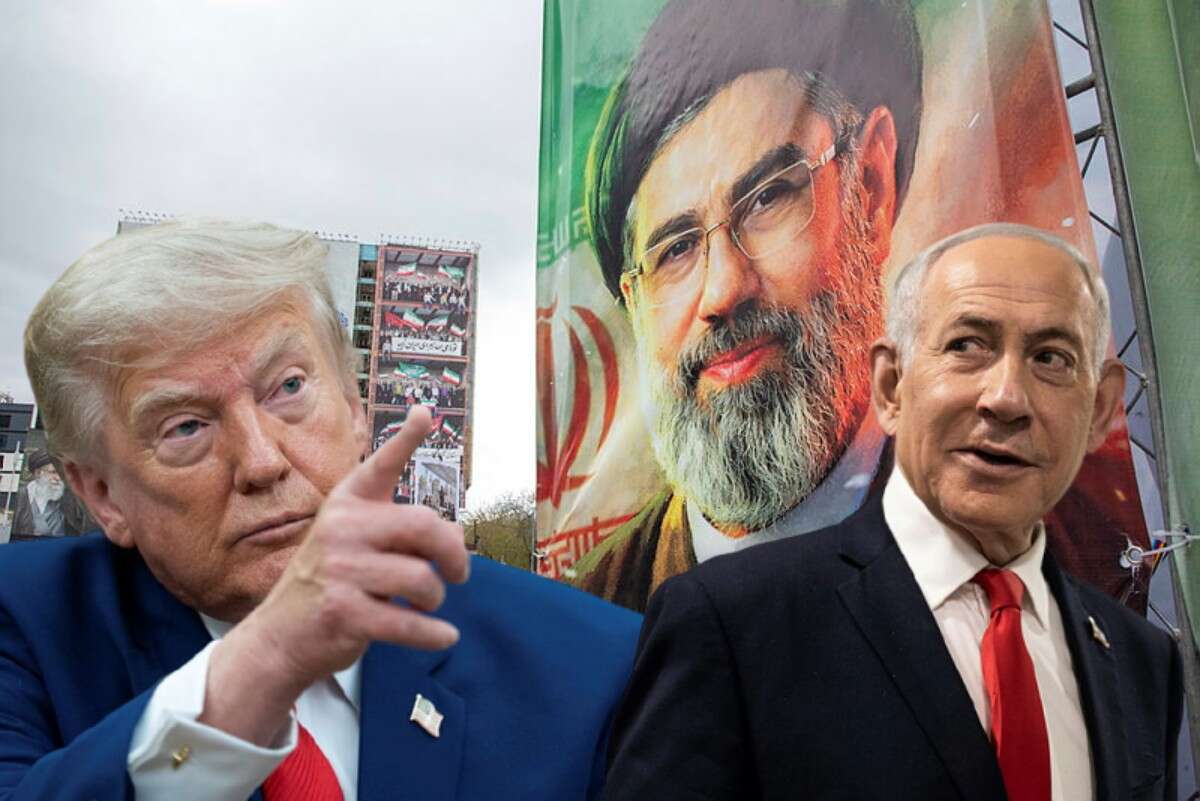
In the immediate term, then, the urgency of completing the mission against Iran is clear, as is the need to remove the existential threats to Israel, the nuclear threat, the chemical threat as reported Tuesday, and of course the missile threat. That can be done by tightening the crippling economic siege even further, along with sanctions and the seizure of the crypto wallets of the Revolutionary Guards. But to speed things up, something more is probably needed, more substantial pressure, the event that will push the Iranian regime over the edge. The US, Israel and several Gulf states are working diligently on that event, and their fear of the future, given the election results, is greater than ever.

The last time the US and the world failed, with the 2015 nuclear deal that enabled Iran's enormous buildup, it pushed them toward the Abraham Accords, because Israel was and remains a military and diplomatic mainstay that can be relied on. That may be the case now too, meaning Saudi Arabia may also come in exchange for official, unequivocal aid in a trilateral agreement with the US. But the opposite is also possible, because Israel's greatest strategic advantage – the support of the White House and Congress – is now badly eroded.
Bottom line, a new era is beginning, one that may shift back somewhat. In it, Israel will have to reach independent military capabilities sooner than expected and, at the same time, reposition itself diplomatically against a hostile Europe, a confused America and a world already without almost automatic backing.
Israel must launch diplomatic initiatives that neutralize at least some of the international criticism without endangering its security, act decisively against public-image catastrophes such as Jewish rioters in Judea and Samaria, build a public diplomacy apparatus with a massive budget, and hope for the best. Oh, and establish a broad government that can do all of this.