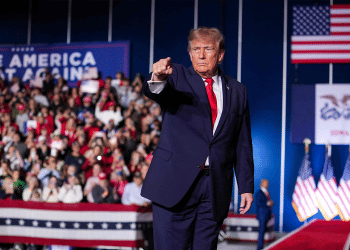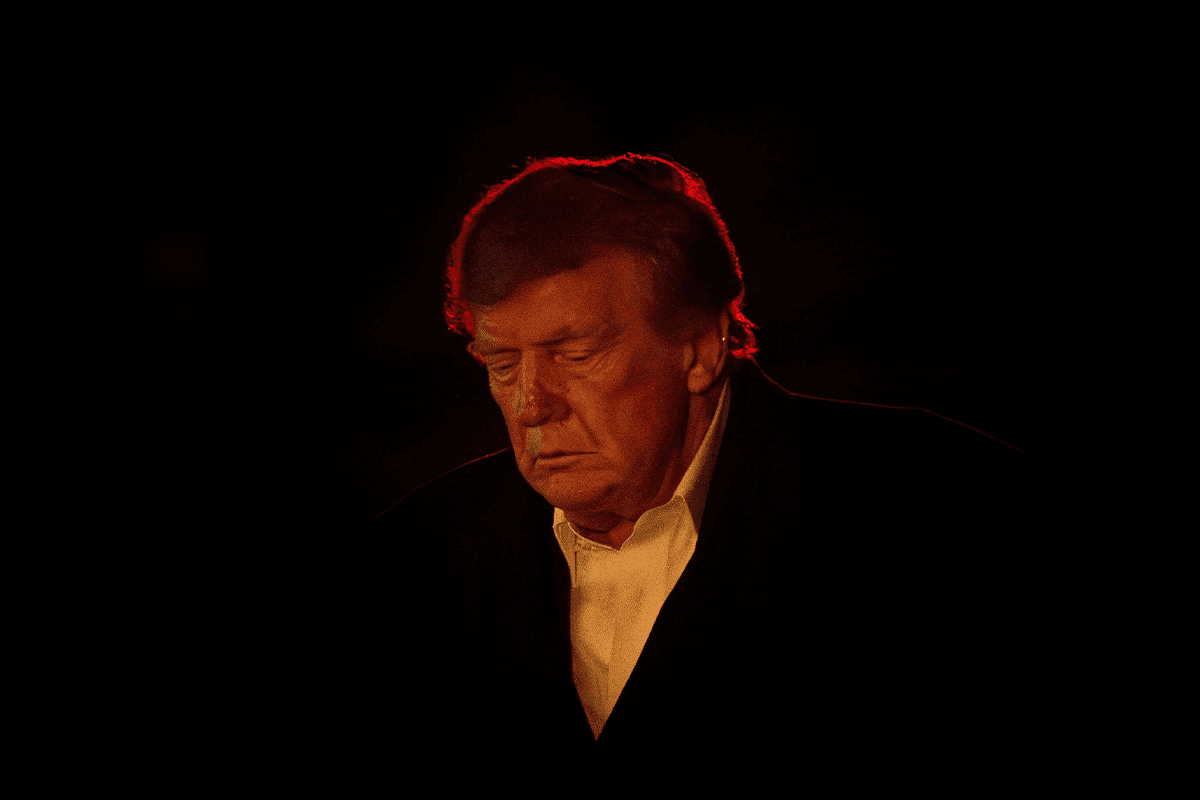
US President Donald Trump's historic defeat in Tuesday's midterm elections will force him to spend his remaining two years in the White House fighting a hostile Congress over virtually every major initiative.
Democrats have won control of both houses of Congress, flipping Republican-held Senate seats even in traditional strongholds such as Texas, Kansas and South Carolina. The administration, which began Trump's second term with Republicans controlling both chambers, is entering a new phase marked by divided government, prolonged investigations and an early struggle over the Republican Party's future after Trump.
The scale of the defeat is particularly striking. Republicans have lost at least six Senate seats, while Democrats are expected to secure at least 235 seats in the House of Representatives, comfortably exceeding the 218 needed for a majority. Democrats also scored victories in Republican strongholds, including Kansas, where a Democrat had not won a Senate race in 94 years, and Texas, which had not elected a Democratic senator in 38 years.
Democrats needed to capture just one chamber to fundamentally alter the balance of power in Washington. Instead, they won both. Control of the House will allow them to block legislation Trump wants to advance and use approval of government funding as leverage in negotiations. The shift will take effect when the new Congress convenes on Jan. 3, 2027.
The result is divided government, with the presidency and Congress controlled by opposing parties. In practical terms, the White House will have to make far more compromises with its political adversaries.
Trump himself said early Wednesday that he was "absolutely willing" to accept the results. In an interview with The New York Times, he said, "We'll work with the Democrats, and we'll, you know, look forward to working with them. We'll probably work something out."
'Lawyer up'
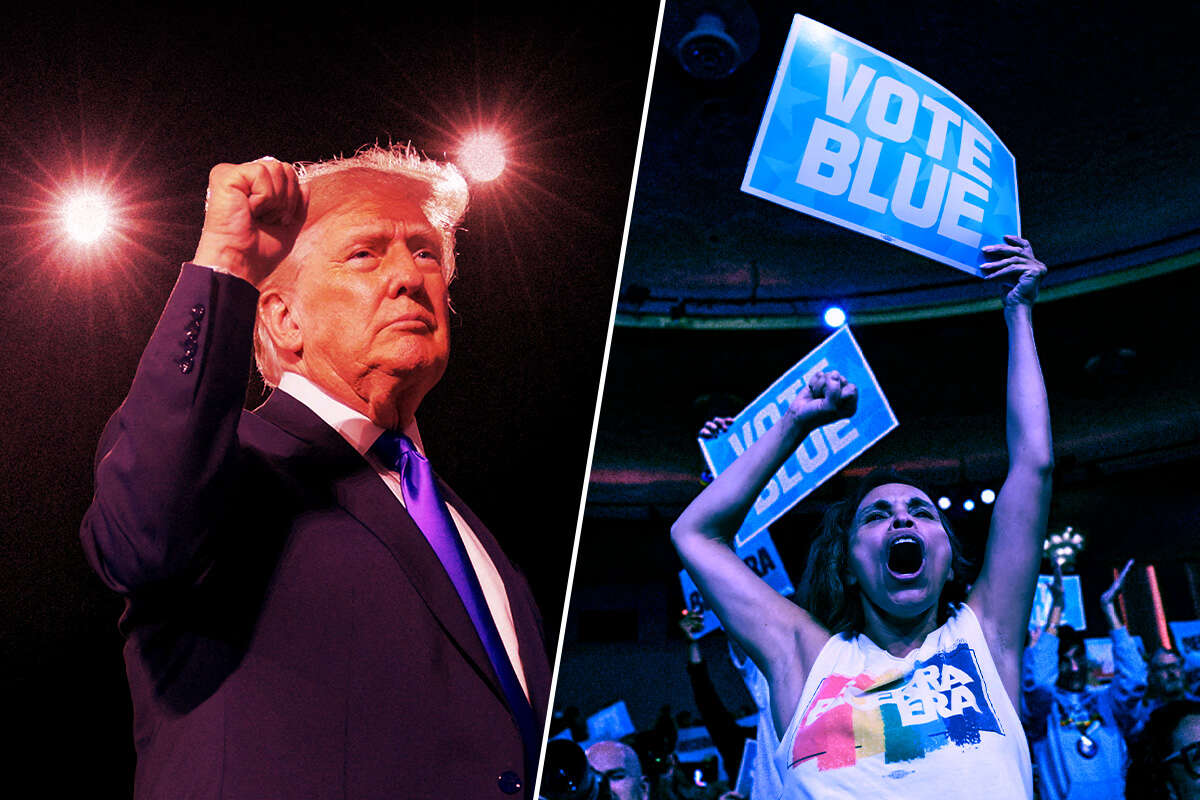
Beyond blocking legislation, Democrats are preparing to open a new front: congressional investigations.
"Lawyer up," Democratic Rep. Robert Garcia wrote early Wednesday after it became clear that his party had secured a House majority. Garcia is expected to become chairman of the House Oversight Committee. Democratic control of congressional committees will allow the party to set hearing agendas, demand documents and summon senior administration officials to testify.
Garcia is expected to launch a series of investigations into Trump, members of his family and the administration's handling of the Jeffrey Epstein files. Democrats are also targeting the administration's immigration enforcement policies. For the White House, that could mean devoting considerable time and resources to battles over the disclosure of information and defending itself against political scrutiny.
The confrontation could be particularly intense over government spending. Trump will be able to request funding for his programs, but Democrats will be able to attach conditions to their approval. If the two sides fail to agree on the necessary spending legislation, the dispute could trigger a partial government shutdown. Each side would then seek to convince voters that the other was responsible for the deadlock.
Losing the Senate makes Trump's predicament considerably worse. The upper chamber confirms the administration's most senior appointments, including Cabinet secretaries and their deputies, federal agency heads, ambassadors, senior military officers and federal judges, including Supreme Court justices. These are the officials responsible for implementing the president's policies. Beginning in January, every Cabinet replacement and new appointment requiring Senate confirmation will depend on the approval of his political opponents.
The Democratic majority will also be able to delay or reject nominees. Should a Supreme Court vacancy arise, filling it could become a major political battle. That is the fundamental difference between losing the House alone and losing control of Congress altogether.
The possibility of another impeachment proceeding could also return to the political agenda, something Trump himself had already anticipated. "You got to win the midterms because if we don't win the midterms, it's just going to be ... I mean, they'll find a reason to impeach me. I'll get impeached," Trump told House Republicans in January.
Democrats have been more cautious. "No, we haven't ruled anything in and we haven't ruled anything out in terms of impeachment," House Minority Leader Hakeem Jeffries said in September. Jeffries is expected to replace Republican Mike Johnson as speaker of the House. The House can approve articles of impeachment by a simple majority, but conviction and removal from office require the support of two-thirds of senators present. That would also demand a dramatic shift in the positions of Republican senators.
All this raises the question of whether Trump is becoming a lame-duck president. Trump has already been elected twice, and the 22nd Amendment to the US Constitution bars him from being elected to the presidency again, despite his occasional flirtations with the idea. His term is scheduled to end on Jan. 20, 2029. But Tuesday's defeat could accelerate the erosion of his political influence well before then, as the Republican Party, donors and activists gradually shift their attention to the 2028 presidential election.
This could prove the most significant test of Trump's power within his own party. Trump quickly sought to distance himself from responsibility for the defeat, writing that Republicans would have won a landslide had his name been on the ballot. But Republicans are already beginning to blame him, citing the war with Iran and his selection of weak candidates. If Republican candidates conclude that closely identifying themselves with the president puts their electoral prospects at risk, some will have an incentive to distance themselves from him.
On the other hand, Trump's ability to retain the loyalty of his core supporters could make it difficult for Republicans to break with him. Whether Trump becomes a lame duck will depend in part on how many members of his party continue to regard him as the person who determines their political future.

Democrats could restrict the continuation of the war with Iran
Trump will still retain substantial powers. He will remain head of the executive branch, commander in chief of the armed forces and the principal architect of US foreign policy, subject to the law and Congress' constitutional authority.
Nevertheless, the war with Iran could become a major flashpoint. Under the 1973 War Powers Resolution, US military involvement in hostilities generally must end after 60 days without congressional authorization, with a possible extension of up to 30 days to allow for a safe withdrawal.
Democrats, who have prepared a plan for their first 100 days that includes efforts to stop the war, will be able to pursue significant restrictions on continued military operations and exert pressure through their control over government funding. With majorities in both chambers, Democrats will be able to pass binding legislation. But Trump can veto it, and overriding a presidential veto requires a two-thirds majority in each chamber.
Even the Democrats' sweeping victory could therefore produce two years in which both sides have considerable power to obstruct one another but limited ability to impose their full agendas.
Trump has already indicated how he intends to deal with an adversarial Congress. "I guess I'll become 'Mr. Veto,'" he said in an interview with a New York Post podcast.
War Secretary Pete Hegseth could also become a prime target of the new Congress. House Democratic leader Hakeem Jeffries has already made clear that his party will seek to remove Hegseth, while Senate Democrats have suggested that his dismissal could be the price of their cooperation on national security matters.
However, even if the House approves articles of impeachment against Hegseth, that alone would not remove him from office. Conviction would still require a two-thirds majority of senators present.
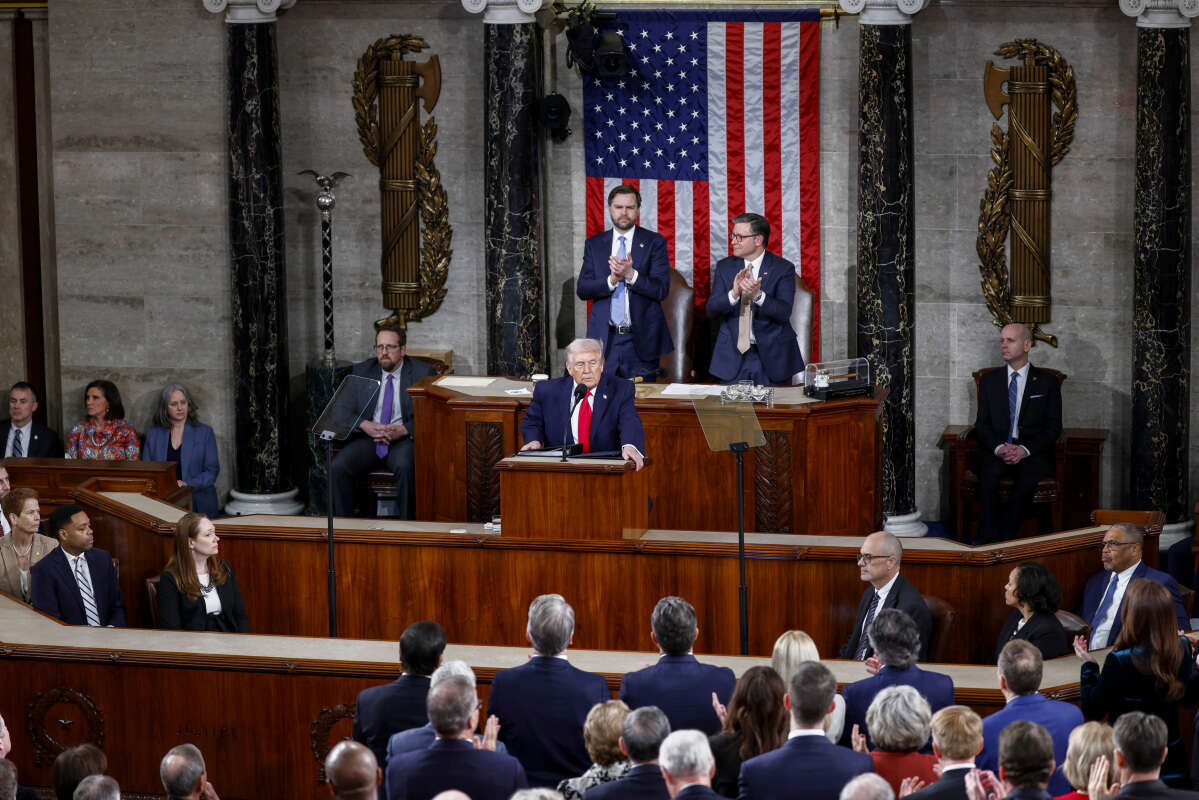
Israel faces the challenge of rebuilding bipartisan ties
For Israel, the central question will be how effectively Trump can translate his support for the Jewish state into diplomatic and security achievements.
The continuing confrontation with Iran, sanctions policy and efforts to advance regional agreements requiring legislation or Senate approval could all become sources of friction between the White House and Congress.
Military aid is no longer a major point of contention, following Trump's announcement that it would be discontinued at the end of the year. Nevertheless, arms sales to Israel, including deals financed with Israeli funds, remain subject to congressional oversight.
A hostile Congress could raise the political cost of Trump's support for Israel and complicate initiatives requiring congressional cooperation. As critics of Israel gain influence, congressional committees could become platforms for hearings and pressure over the administration's policies in Gaza and Judea and Samaria.
And their influence has indeed grown. The new House will include at least five members of the Democratic Socialists of America (DSA), among them Darializa Avila Chevalier, who said Tuesday that "ending military aid is not enough."
For Jerusalem, maintaining a close relationship with the president will also have to be accompanied by efforts to work with supporters of Israel in both parties.
Following the blue tsunami, Trump will have to demonstrate that he can still deliver results despite opposition from his political rivals. The more he struggles to do so, the louder the questions within his party will become about who should lead Republicans into the next election, and how soon they should begin preparing for the post-Trump era.