Yesterday, President Donald Trump announced that the United States would end military aid to Israel later this year, and this morning, Israelis awoke to a new strategic reality. In what's being called the "Blue Wave" in America, Democrats won the mid-term elections by capturing both the House of Representatives and the Senate. Previously, Democratic Congress Members voted overwhelmingly to suspend military aid to Israel, but unlike Trump, who reiterated his respect for Israel and praised it as a crucial American ally, they did so out of resentment of the Jewish state and even hatred.
The victory of Abdul El-Sayed, a virulently anti-Israel and arguably antisemitic candidate as the country's first Muslim senator, in Michigan, a Midwestern state not known for radical politics, indicates the direction Congress is likely to head. The cessation of military aid may only be the beginning. Intelligence sharing and systems development might also be cut off. Visas could be canceled and the delivery of essential military parts delayed. Sanctions similar to those already imposed by Britain, Canada, and France on products and business transactions in Judea and Samaria and East Jerusalem cannot be ruled out.
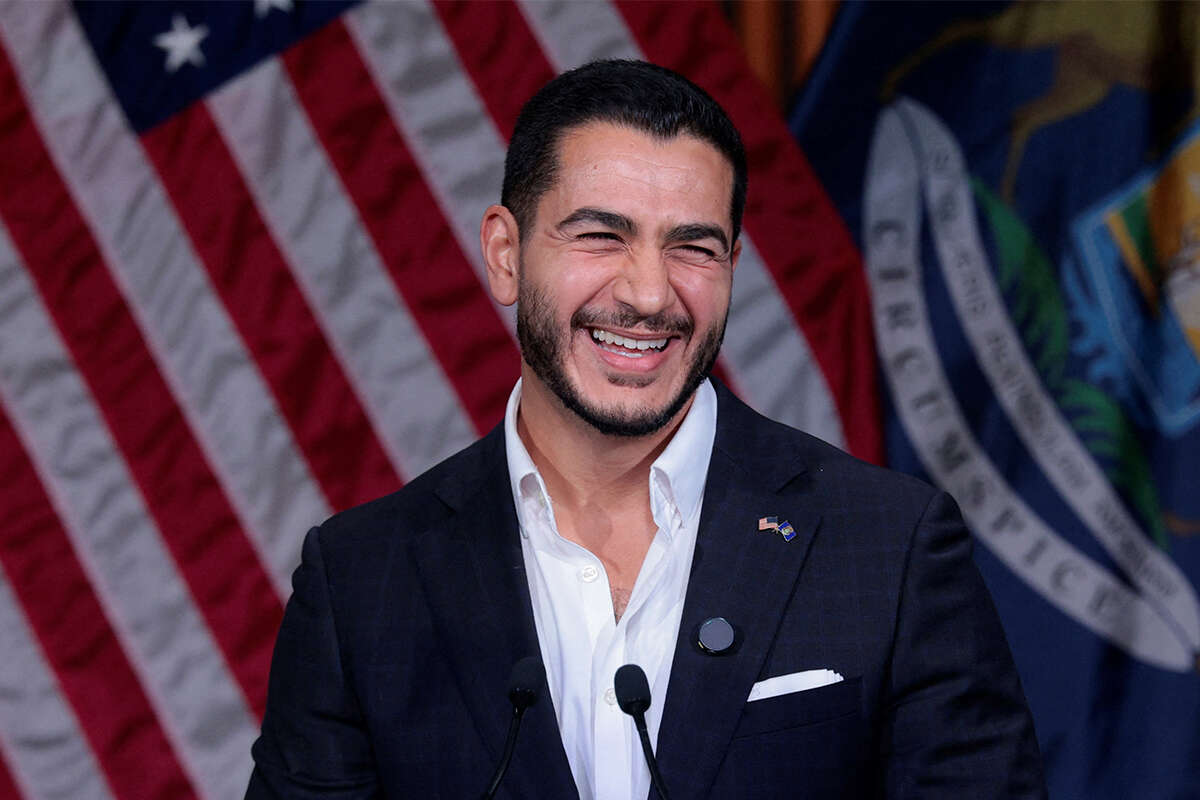
Though most of the Democrats elected are said to be moderates, they will not set the party's tone, but El-Sayed will. So, too, will the isolationist and often anti-Israel Republican followers of Tucker Carlson. For them, Democrat and Republican alike, the issue is not what Israel does but who we are—in their eyes, an illegitimate colonialist state guilty of apartheid and genocide.
So ends half a century of the US-Israel relationship as we have known it. What lies ahead remains totally unknown. But that does not mean that we can remain passive. As I've written on these pages before, Israel must take steps to soften the blow and make it harder for the El-Sayeds of the senate to sanction us. Among the steps I've recommended is an immediate crackdown on Jewish attacks against Palestinians and illegal building in Judea and Samaria and the disavowal of any Israeli territorial ambitions in Gaza, Syria, and Lebanon. Israel must once again declare its interest in peace—not an easy measure in the shadow of October 7—with all our neighbors.
On the international sphere, we must diversify our foreign policy and defense portfolio, strengthening ties with India, East Asia, Africa, and South America. We must be prepared strategically and logistically to act alone against existential threats if the need arises. And we must work to maintain channels of communication with those policymakers in Washington who are still willing to engage us in dialogue and with whom we can explore ways of rebuilding the relationship.
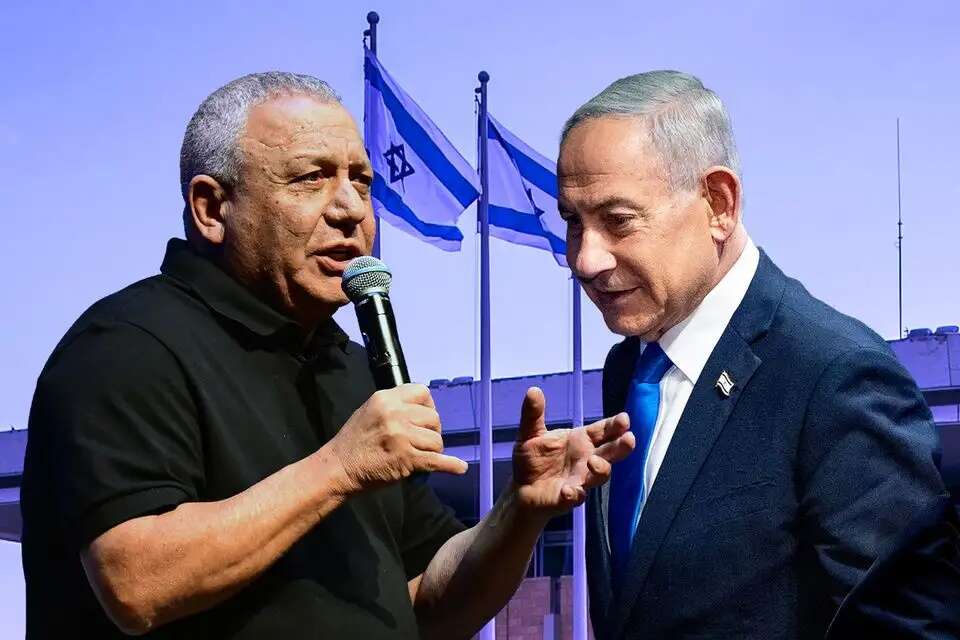
Most crucially for this fateful moment, Israeli politicians must realize that we are facing a war-like situation that demands national unity. Though no coalition—pro-Netanyahu or opposed to him—will remove a single soldier from Gaza or Lebanon, or create a Palestinian state with its capital in Jerusalem, we can at least present our adversaries with a unified front and bridge some of our society's most dangerous divisions. Israel has faced similarly daunting situations before—when the Soviet bloc abandoned us in 1952 and France in 1967—and we can overcome this one as well, but only through national solidarity.