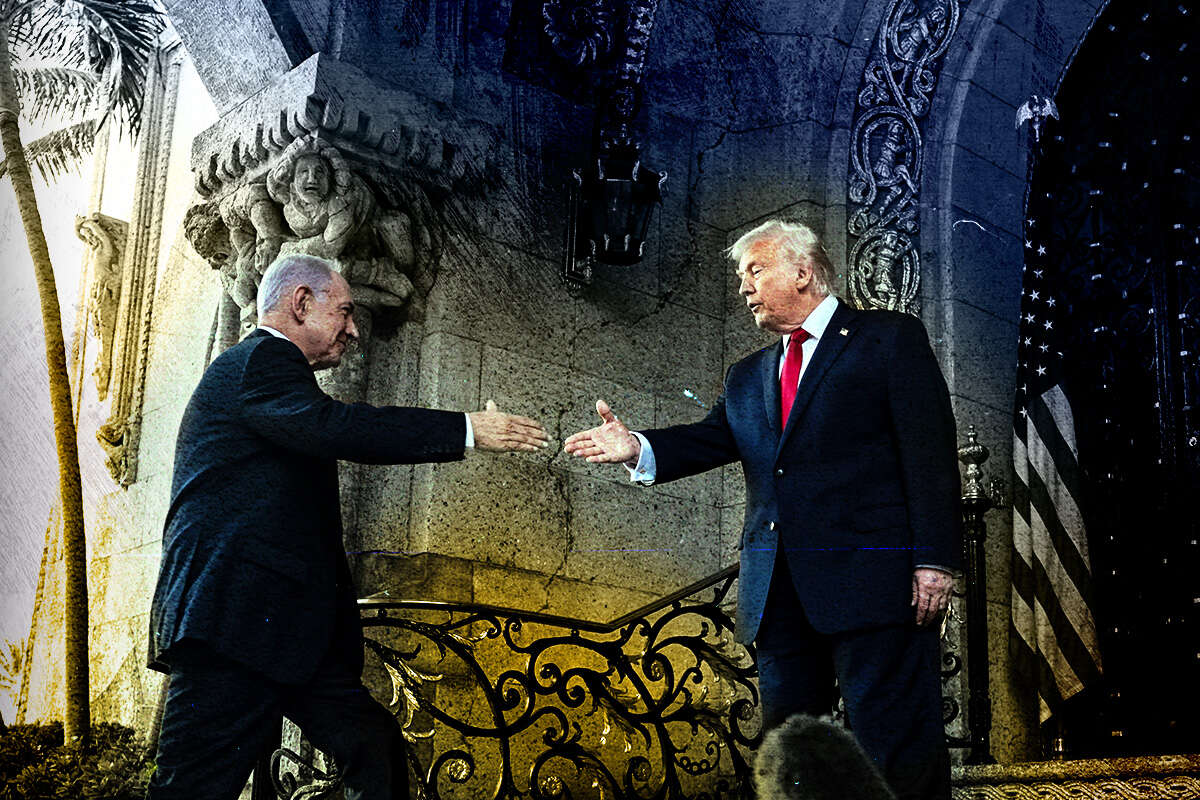
The American administration and international figures, primarily in the Middle East, are advancing the possibility of forming a broad Israeli government capable of making far-reaching diplomatic decisions within the framework of a regional settlement.
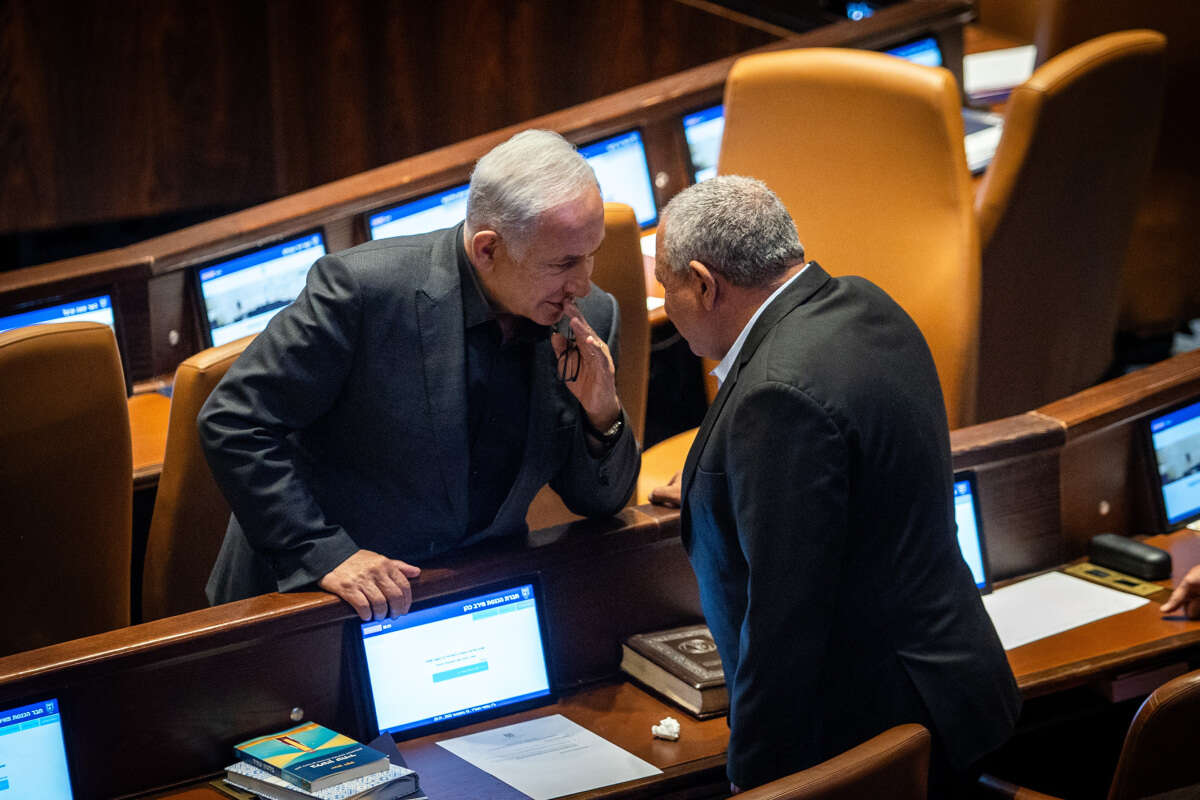
A senior American official said the message has reached top Israeli political figures directly and through diplomatic channels. The Prime Minister's Office and the White House maintain regular contact, and US Ambassador to Israel Mike Huckabee met with several senior party leaders, including Gadi Eisenkot, in September. While officials are navigating carefully to avoid interfering in the Israeli elections, they have made it clear the US and the international community would welcome a broad and stable government free of extremist elements.
According to information obtained by diplomatic officials, one proposed framework involves forming a government led by the Likud party alongside the Yashar, the newly announced Knesset slate led by Gadi Eisenkot. Under these potential understandings, Prime Minister Benjamin Netanyahu would remain in power for a limited period of up to two years. During this time, the government would work to end the wars across all fronts and advance diplomatic agreements with regional countries, primarily Saudi Arabia, after which Netanyahu would retire from political life.
Donald Trump's administration is pressuring Saudi Arabia to join the Abraham Accords through offers of security cooperation, including F-35 fighter jet sales and the establishment of a civilian nuclear facility. However, previous reports in Israel Hayom indicate the Saudis are conditioning the move on a change in the composition of the Israeli government.
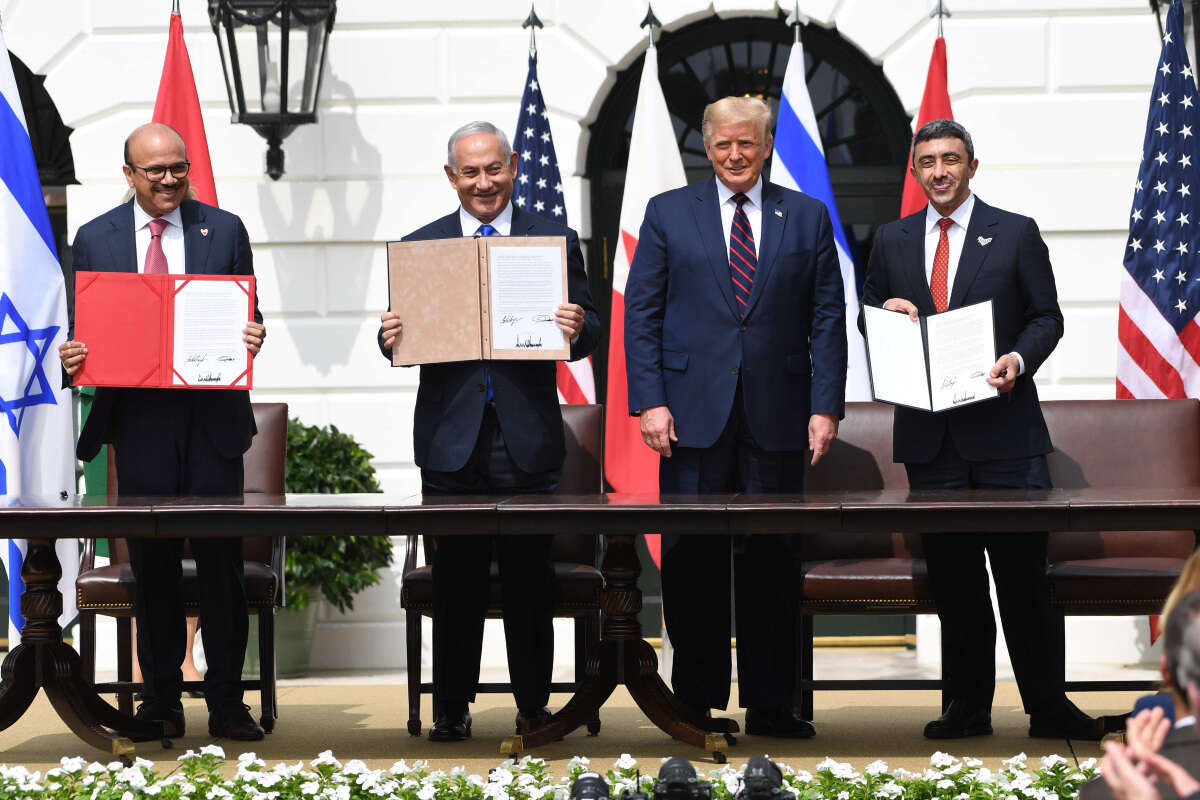
Diplomatic officials frame the proposal as an opportunity for strategic change in the Middle East. They noted such a move could help counter the growing anti-Israeli and antisemitic atmosphere worldwide, mitigate expanding sanctions, and address security risks, while unlocking significant economic opportunities.
One official noted the issue also surfaced during conversations in which the American administration criticized Israel's handling of nationalist crime by Jews against Arabs in Judea and Samaria.
A foreign diplomatic official closely tracking the developments warned the chance to form a broad government could slip away. He said, "A narrow government will not be able to bring about changes and major diplomatic decisions as the Middle East deserves." The official explained the goal is to advance Donald Trump's comprehensive Middle East plan following the defeat of the Iranian regime and to build a broad regional coalition based on the Abraham Accords.
Reports in recent days suggest President Isaac Isaac Herzog is also involved in the discussions, though the President's Residence denied the claims. Herzog could play a crucial role in promoting a broad government, given his past involvement in mediating the unity government between Netanyahu and Benny Gantz, and his authority to grant a prime ministerial pardon. In recent interviews, Herzog addressed the incoming government after the election is held and said, "I will really, but really, do everything I can so that there are no repeat elections."
Eisenkot's Knesset bloc is expected to articulate several conditions for joining the coalition. The factions will demand a strict commitment that Netanyahu will retire on schedule, the repeal of laws passed during the judicial reform, and a restructuring of checks and balances within the Israeli democracy. They are also expected to demand a state commission of inquiry into the events of October 7. According to officials, the Eisenkot bloc believes significant constitutional and diplomatic changes require a broad Zionist majority in the government.