To mark the 70th anniversary of the 1956 Sinai Campaign, also known as Operation Kadesh, the IDF and Defense Establishment Archives at the Defense Ministry has launched a new website featuring the most comprehensive official collection of material on the war ever released. The site contains more than 4,500 photographs, documents and maps, many of which have never been made public.
Among the newly released materials is a document quoting then-Prime Minister David Ben-Gurion on Gaza: "We have to take it [...] If I believed in miracles, I would wish for it to be swallowed by the sea." Another document records his warning about the next war: "Tel Aviv will be bombed, Haifa will be bombed, and people will be killed. Not combatants, but women and children."
The collection also includes writings by Shimon Peres on Ben-Gurion's decisions, including his observation that "a victory for us in battle does not necessarily mean it will be the last battle, but an Arab victory could be the final victory," alongside additional archival materials, testimonies and rare photographs.
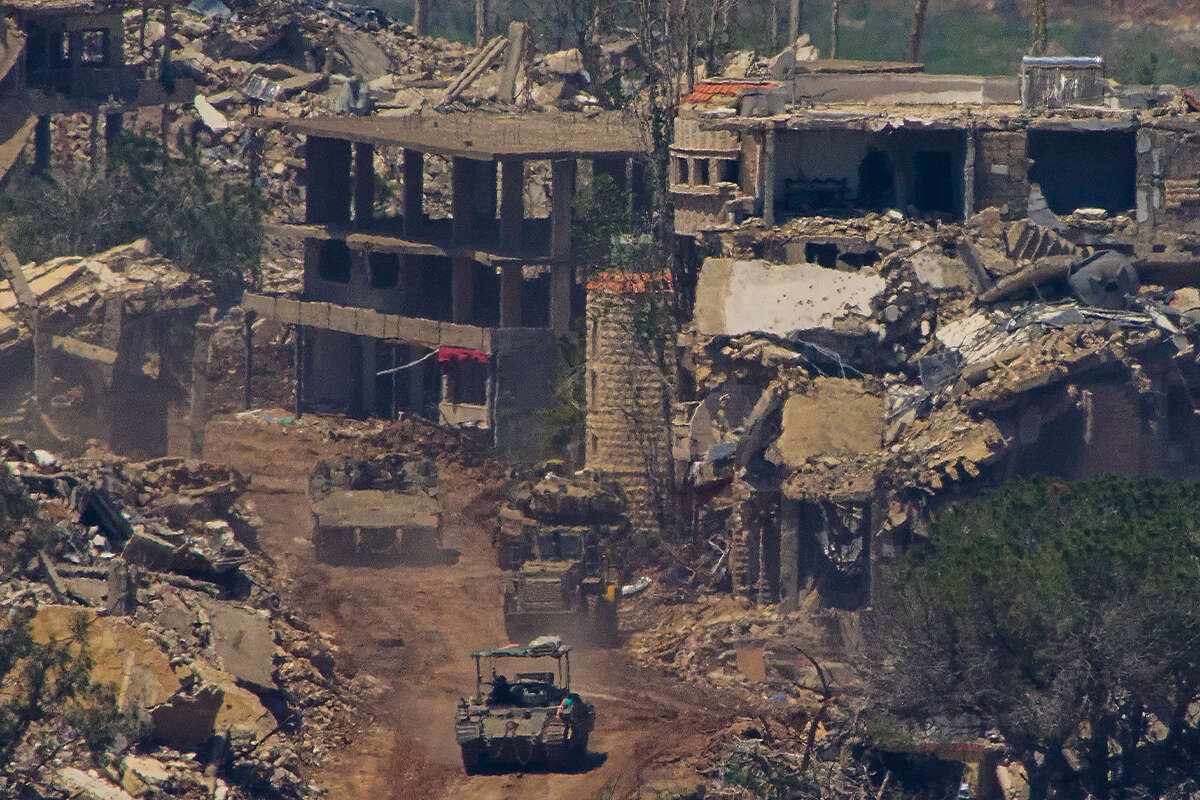
The website brings together records documenting preparations for the war, discussions and decisions by Israel's political and military leadership, the course of the fighting and events during and after the campaign. The materials include accounts of the capture of the Gaza Strip and Rafah, operational reviews, and assessments and lessons drawn by senior defense officials.
Among the documents are remarks delivered by Ben-Gurion at a conference of senior officers on April 4, 1957, following the IDF's withdrawal from the Gaza Strip and the Sinai Peninsula. Speaking about the security and diplomatic considerations surrounding control of Gaza, Ben-Gurion quoted remarks he had made at a Cabinet meeting on Oct. 28, 1956, the day before the operation began.
"The Gaza Strip is an 'embarrassing' objective [...] We have to take it [...] If I believed in miracles, I would wish for it to be swallowed by the sea," he said.
Ben-Gurion went on to discuss the different possibilities for administering the territory. "We know that the Gaza Strip is a problem under any form of government, whatever that government may be, whether Israeli rule, Israeli rule plus the UN, or UN rule without Israel."
Ben-Gurion said he considered Egyptian rule over the Gaza Strip the worst possible option. But he also acknowledged the difficulties Israel would face if it remained in Gaza amid international isolation and had to contend with terrorism. "But it was clear that our remaining in Gaza, after the world had ostracized us, with terrorism there that we would have to suppress, was beyond Israel's capabilities and vital needs. That terrorism would have destroyed us," he said.
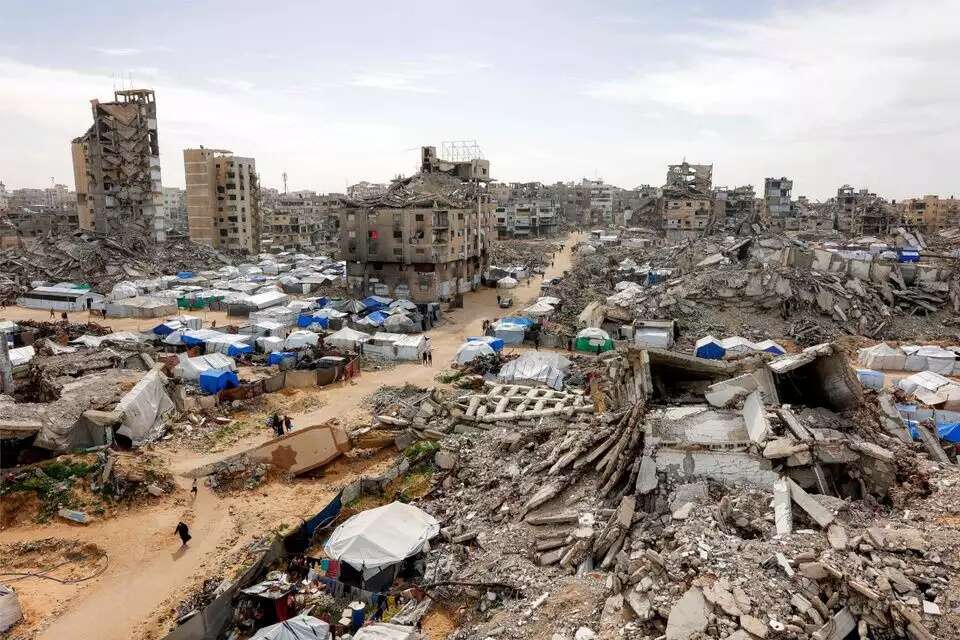
Ben-Gurion also addressed Israel's responsibility toward the strip's residents and refugees, as well as renewed security threats facing communities along the border, including Nahal Oz and Nirim.
In another record of his remarks following Operation Kadesh, Ben-Gurion warned against assuming that the campaign's success offered a reliable indication of what a future war would look like.
He noted that the Sinai Campaign had been planned to minimize casualties, but cautioned that there was no guarantee Israel could achieve the same result in its next war. "It will not be like that in the next war. Tel Aviv will be bombed, Haifa will be bombed, and people will be killed. Not combatants, but women and children," he warned.
He urged senior officers to prepare for a future war according to the conditions they were likely to face, rather than relying on their experience in Sinai. "Do not draw an analogy [...] between the Sinai Campaign and the next war," he said.
The newly released materials also shed light on Operation Honyo, also known as Operation Tushiya, which brought 65 Jews from the Egyptian city of Port Said to Israel.

Military Intelligence documents from 1956 describe the operation, in which an Israeli team worked inside Port Said. According to the operational summary, its objectives were to explore opportunities for intelligence activity in Egyptian territory under British military control and to rescue Jews.
A team was assembled for the mission, comprising two Shin Bet security agency operatives, a representative of the Mossad LeAliyah, four members of Shayetet 13, the Israeli Navy's elite commando unit, and a radio operator from Unit 220. The Israeli team was attached to a French intelligence unit, and the documents describe its preparations for the mission.
In a report addressed to the head of Military Intelligence, Lt. Col. Aryeh Eliav wrote, "My role within the team was to rescue Jews and bring them to Israel." Eliav reported that on Nov. 17, 1956, 65 Jews were taken aboard two Israeli Navy fishing vessels in Port Said.
The documents also contain accounts of intelligence operations and cooperation with French personnel during the campaign.
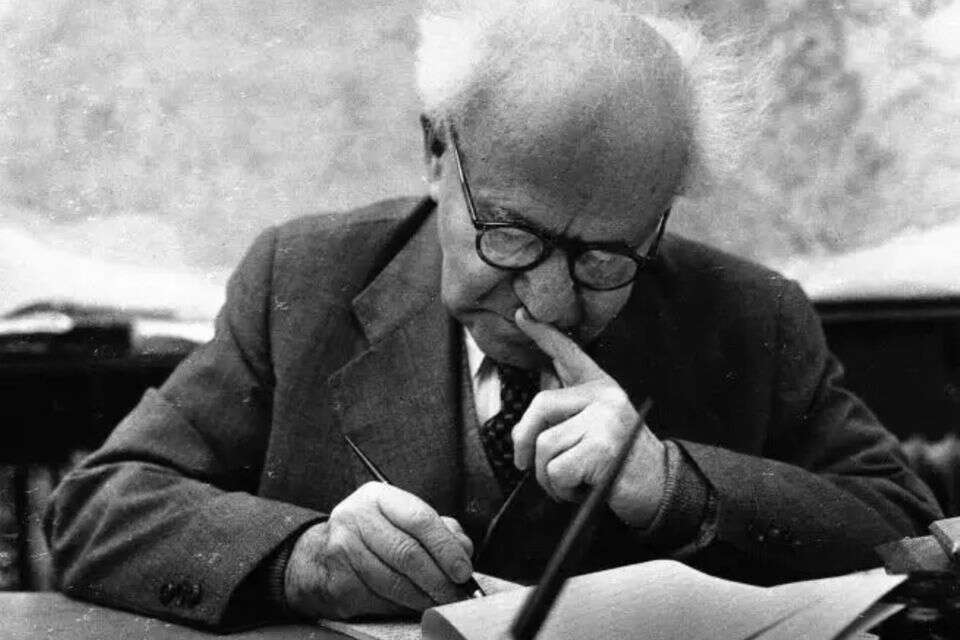
Another archival file contains both a typed copy and a handwritten version of an account by Shimon Peres, who was serving as director-general of the Defense Ministry at the time. In it, Peres describes watching Ben-Gurion make two seemingly contradictory decisions. "At the time, it never occurred to me that I would have the opportunity to see this great orator [...] make two contradictory decisions, one after the other: both the decision to go to war and the decision to withdraw," Peres wrote.
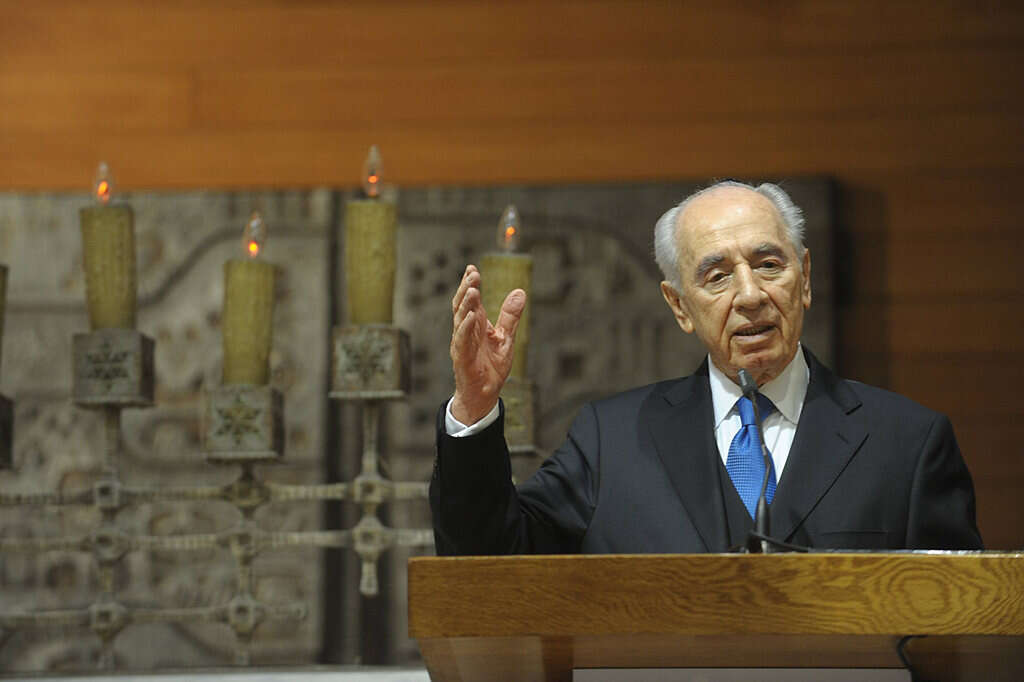
Peres also recalled Ben-Gurion's explanation of relations between Israel and the Arab states. "He also explained to us that wars would not resolve the problem of Arab-Israeli relations, since a victory for us in battle does not necessarily mean it will be the last battle, but an Arab victory could be the final victory."
The file also includes accounts of Peres' contacts with French officials and efforts to secure weapons for Israel in the years leading up to Operation Kadesh.
The website features additional assessments and lessons from the Sinai Campaign by Ben-Gurion, who served as both prime minister and defense minister, and then-IDF Chief of Staff Moshe Dayan, drawn from conferences of the military's senior command.
Other materials include reviews of Israeli Air Force operations during the campaign, operational maps and photographs from the war.