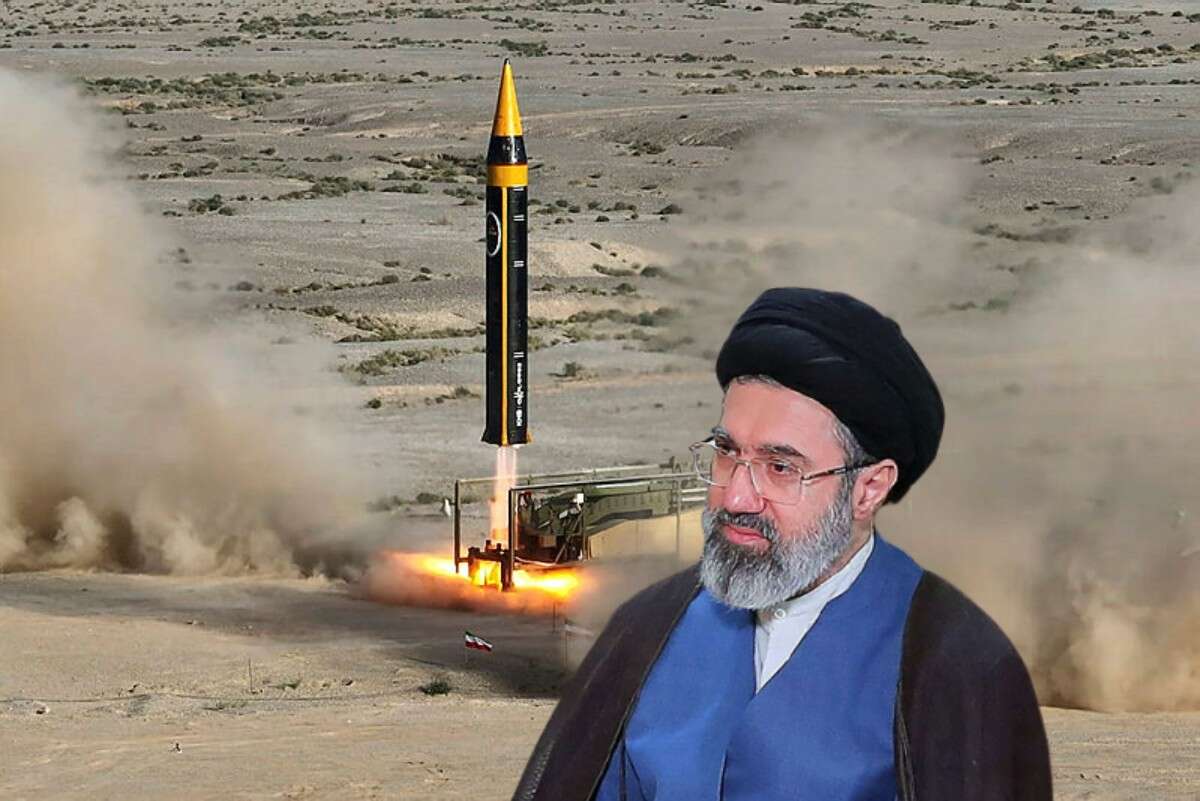
Iran can still build about 50 ballistic missiles a month, roughly half its prewar rate, a western intelligence estimate relayed by Bloomberg shows. Citing military intelligence reports, a Western official said the country most likely retains 1,700 or more of them.
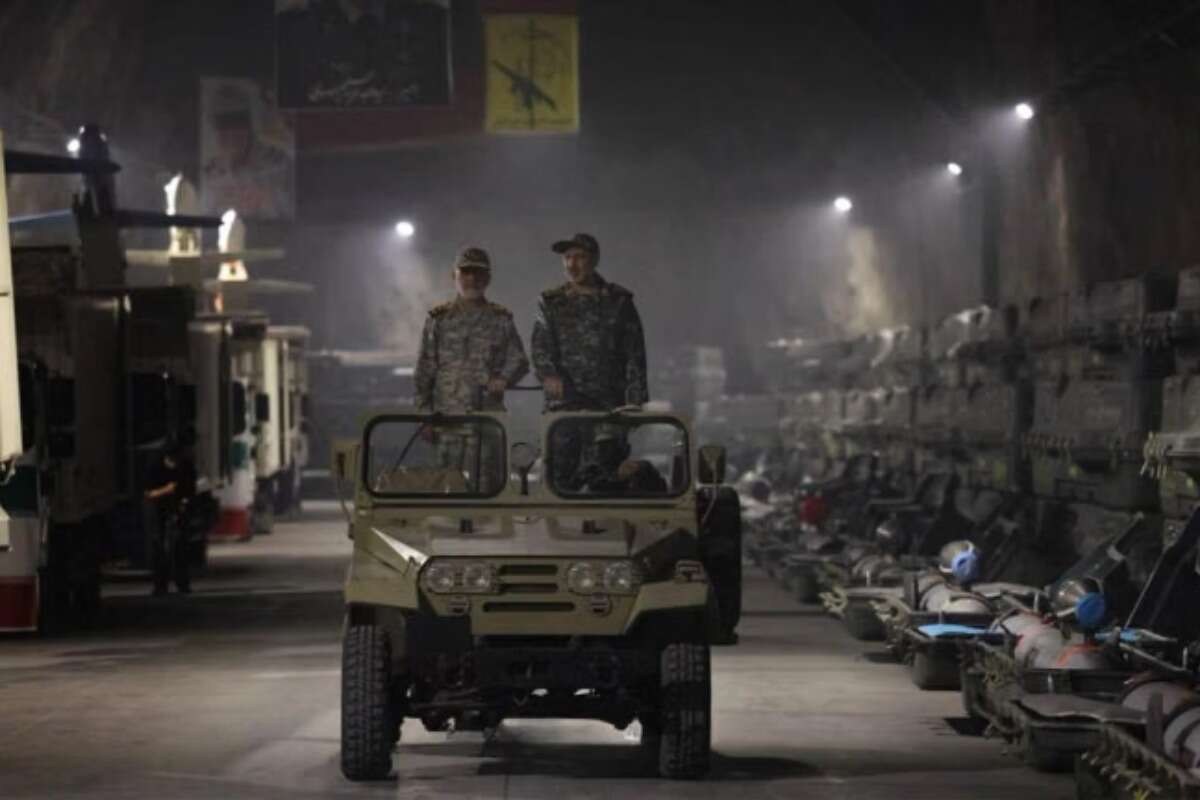
The Islamic Revolutionary Guard Corps released footage Tuesday of what it described as a new underground "missile city," Bloomberg reported. General Ali Abdollahi, the armed forces' chief of staff, told troops at the facility that "surprises in a future war will be revealed one after the other."
US Defense Secretary Pete Hegseth told reporters Tuesday that the US campaign was a success and that "more than 80% of Iran's nuclear industrial base is gone." Yet the blockade of Iran remains in force, and Tehran keeps striking commercial shipping.
Interceptors are the bigger concern for US forces, since Iran's barrage of more than 6,000 weapons consumed at least 1,000 Patriot PAC-3 interceptors that are built at only 650 per year. Lieutenant General James Adams, head of the US Defense Intelligence Agency, told Congress in April that Iran had "thousands of missiles and one-way attack UAVs" remaining.
According to Bloomberg, Jim Lamson, a former CIA analyst and visiting research fellow at King's College London, said Shahed-type weapons may number in the thousands, but public estimates of the stockpile are "all over the map."
Though details on the type and quantity remain unknown, intelligence officials in the West have also said that Russia is supplying Iran with strike weapons. Ankit Panda, a senior fellow at the Carnegie Endowment for International Peace, said: "The Iranians have likely reconstituted a substantial amount of drones and missiles." He added: "Given regional diplomatic efforts, they may focus on cost imposition on the United States and Israel."
Israeli open-source reports put Iran's prewar arsenal at about 2,500 ballistic missiles. Bloomberg Economics counts more than 4,900 Shahed propeller-driven cruise missiles and at least 2,200 ballistic missiles fired by Iran during the hostilities that began on Feb. 28, when Israel and the US launched Operation Roaring Lion as a preventive war to eradicate the threat posed by Iran to the world.
Although US airstrikes have badly eroded Iran's capacity for large-scale production of weapons, Tehran can keep assembling them from a reserve of missile components, Lamson said.