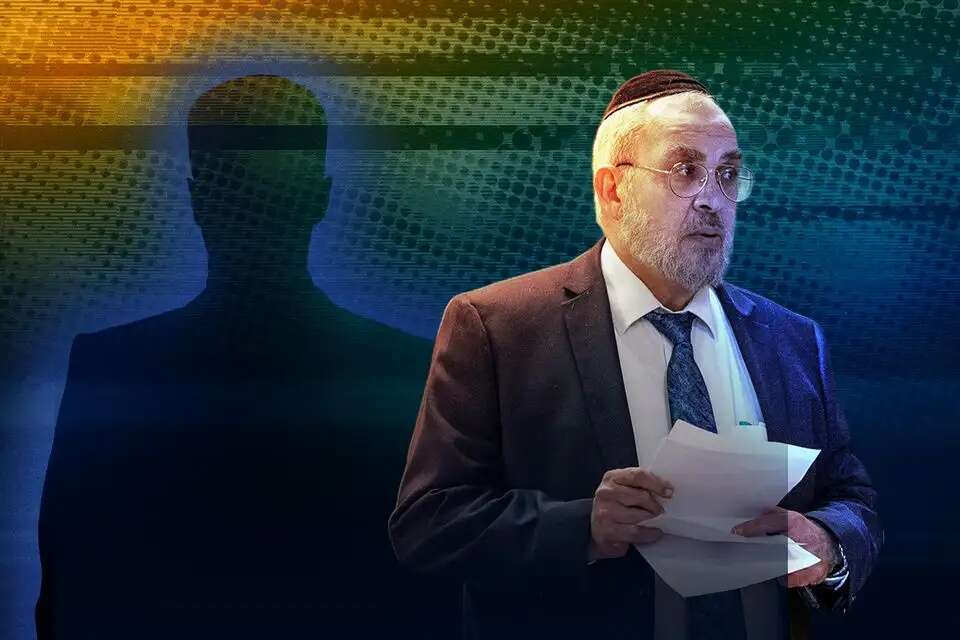
"We are not abandoning any of our principles," Gadi Eisenkot declared. Not quite. In such a scenario, one banner would have to be lowered: that of Degel HaTorah, the ultra-Orthodox party. And its leaders have absolutely no intention of doing so.
Like a traveler starving and dying of thirst in the desert, ultra-Orthodox politicians are now gazing at Lieberman's oasis and wondering: Is it real, or just a mirage? Could it be that the most ruthless politician of them all, the man who knew their every weakness from up close and then used that knowledge to make their lives miserable, right down to their bottles of sugary drinks and disposable plates, is now offering them everything they could possibly want?
The haredim are wondering whether it is too good to be true. One theory circulating in ultra-Orthodox circles this week is that Yisrael Beytenu Chairman Avigdor Lieberman is offering them the moon because he knows Eisenkot and Naftali Bennett cannot match his promises. The idea, according to this theory, is to position himself for the post-Netanyahu era on the Right, when he could join forces with the ultra-Orthodox parties.
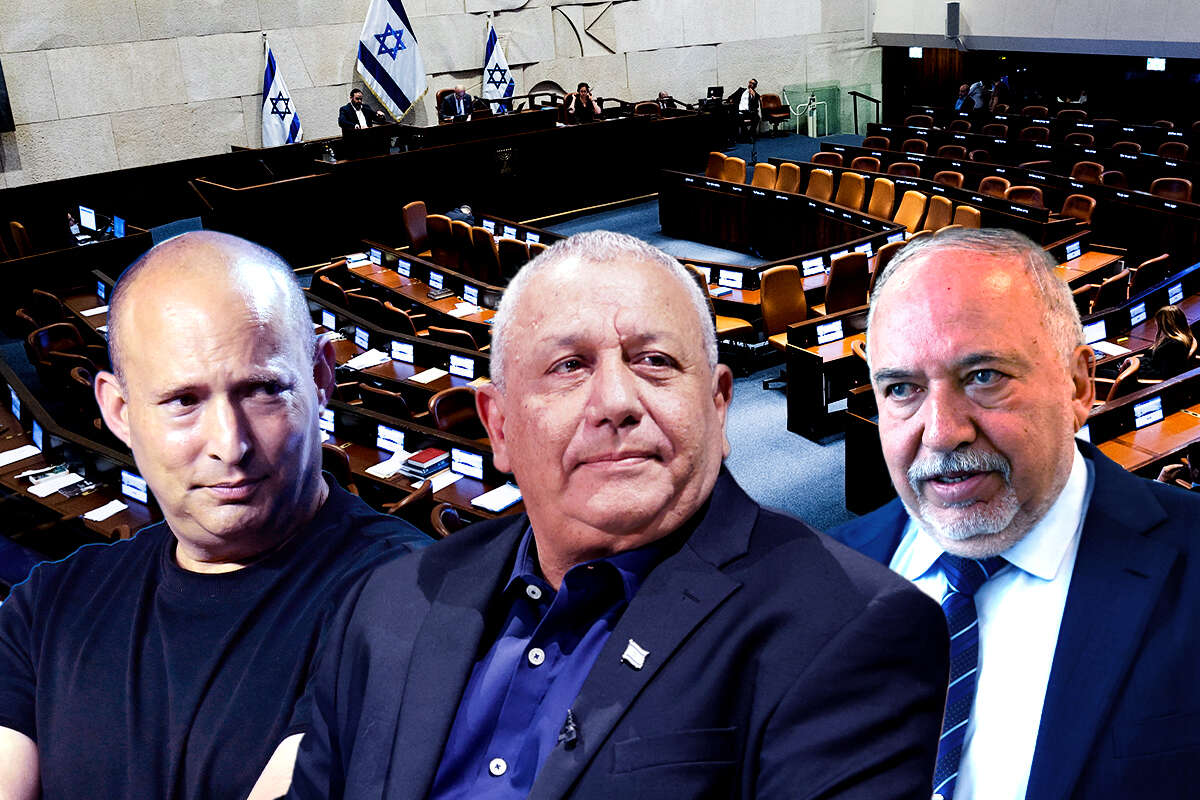
The ultra-Orthodox political operatives want power. As in Likud, the higher up the party hierarchy you go, the less affection there is for Prime Minister Benjamin Netanyahu. The rank and file, however, would find it hard to stomach a prolonged partnership with a Reform rabbi, Yair Golan, Bennett and the center-left in general.
Since Rabbi Elazar Menachem Shach's famous 1990 speech denouncing the Left, the ultra-Orthodox parties have never joined a government without Likud unless that government already commanded a majority without them. That is not the case now, and the implications are clear. It is worth recalling that Rabbi Dov Lando, nearly 40 years Shach's junior, opposed Shach's position at the time.
What the haredim really want is a unity government that includes them. They have concluded, correctly, that the renewed courtship of their parties means a reconciliation between the two major political blocs would not leave them as the sacrificial lambs, contrary to earlier assessments.
What seemed impossible to swallow before Lieberman's about-face now looks feasible. Who would sit in the opposition and protest concessions to the ultra-Orthodox? Lieberman, known as Yvette? Yair Golan, who suddenly remembered this week that his hand was extended to the very people he had called "parasites"? Perhaps the Arab parties would demand universal conscription? Or Itamar Ben-Gvir?
The problem is that it is not up to the haredim. Eisenkot and Lieberman are signaling that there will be no unity government. All these concessions will be theirs only if they cross the political divide.
Their mistake so far has been to focus their efforts exclusively on Rabbi Lando's inner circle. That is why a problem is now emerging for them in the form of MK Meir Porush (United Torah Judaism).
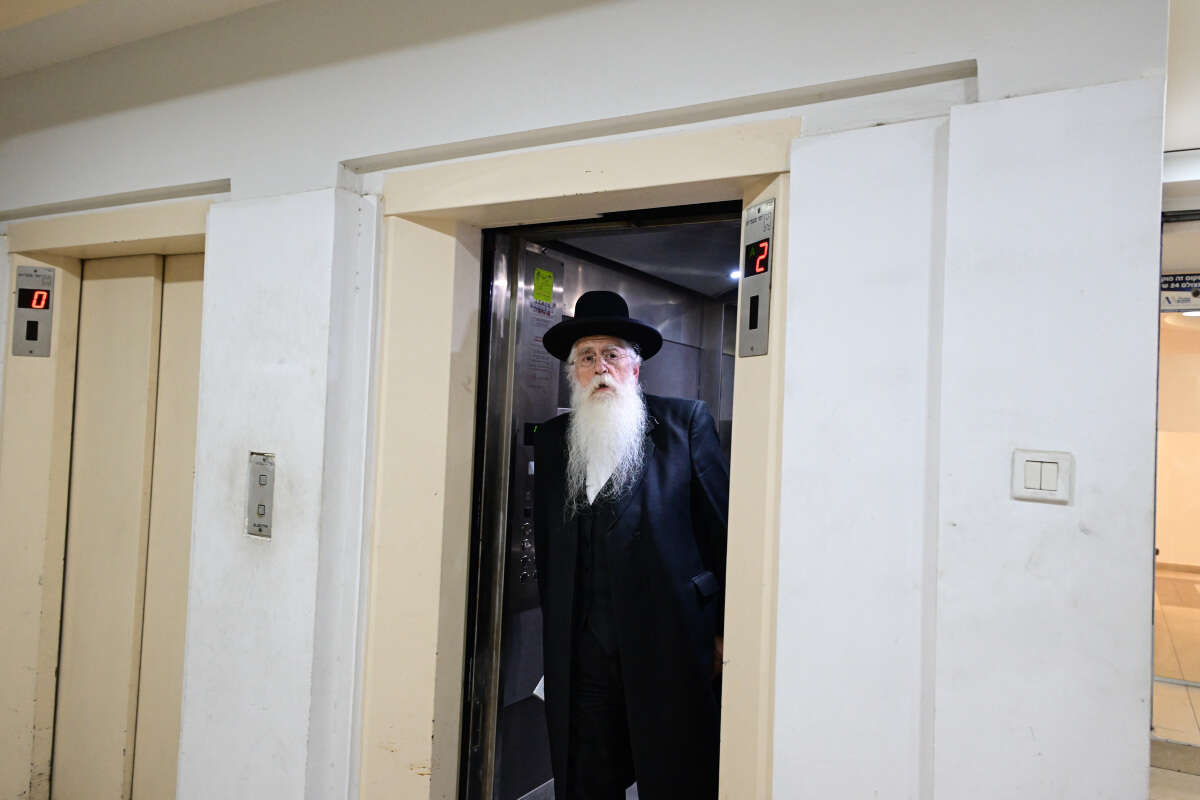
The Slonim Rebbe, the Hasidic leader who torpedoed the military conscription bill and is regarded as Porush's patron, is emerging as a staunch opponent of joining the government. Religious conservatism and deeply rooted right-wing convictions are working hand in hand here. As far as he is concerned, a government with the Left simply will not happen.
Amit Segal's full column will be published on the Israel Hayom website.