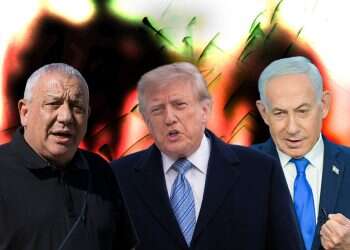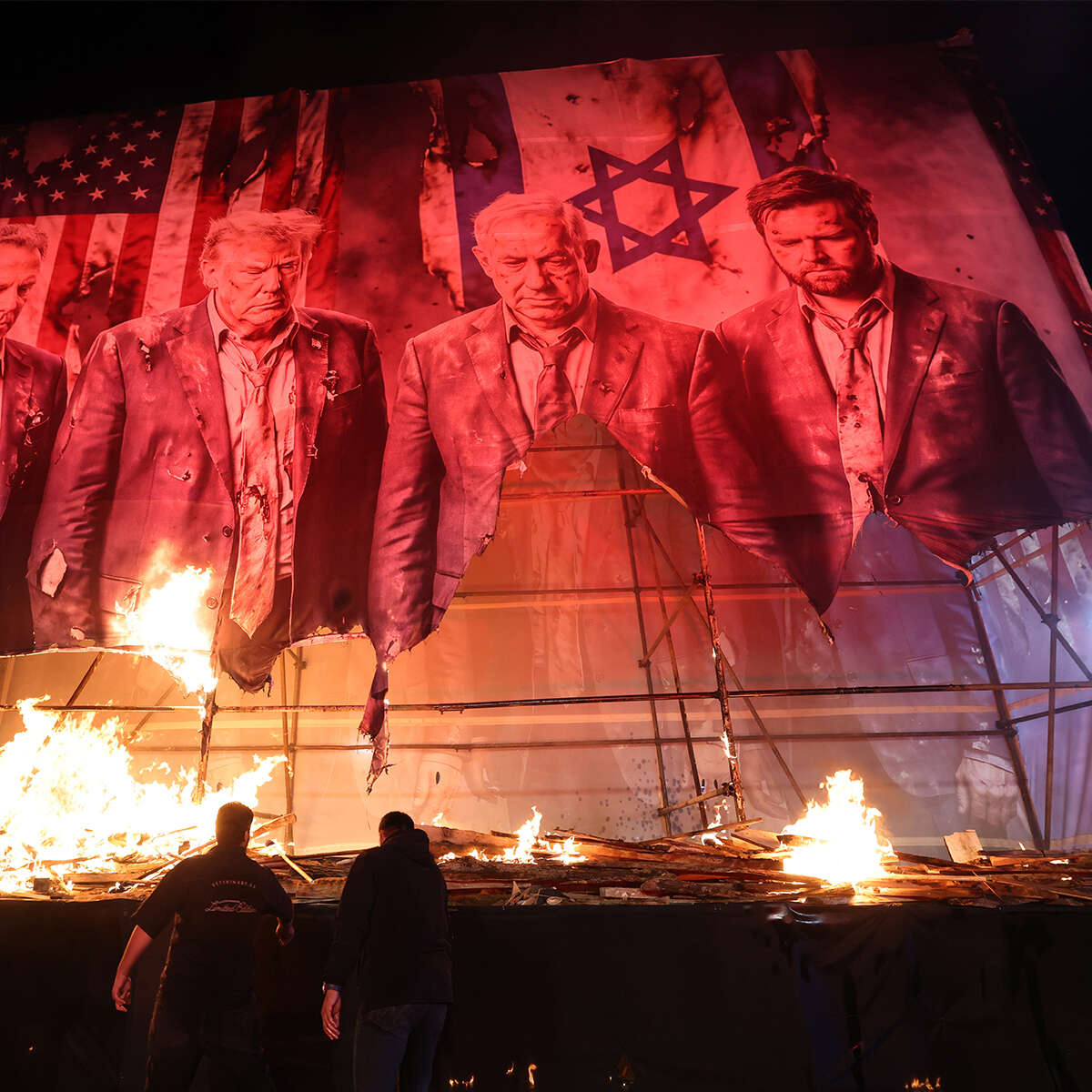
Titanic.
A senior Israeli official offered an interesting assessment this week when asked about the results of the US midterm congressional elections. The war in Iran, he said, was supposed to topple the regime in Tehran. Instead, it brought down the administration in Washington.
President Donald Trump has not fallen, at least not yet. But his final two years in the White House will look very different from his first two. The familiar American term is "lame duck," although the president's political predicament is likely to be considerably more complicated. He will face endless investigations, constraints on his decision-making and relentless attacks from opponents and supporters alike.
They will hold Trump responsible for America's predicament. And given his inability to accept responsibility for anything that goes wrong, he will look for someone else to blame. That someone will be Israel.
A social media post by Vice President JD Vance offered a hint of what is to come. Vance listed four reasons for the Republicans' electoral defeat, which he said he had heard from a pollster: "End the war, Focus on cost of living/inflation, put America first, change our relationship to Israel."
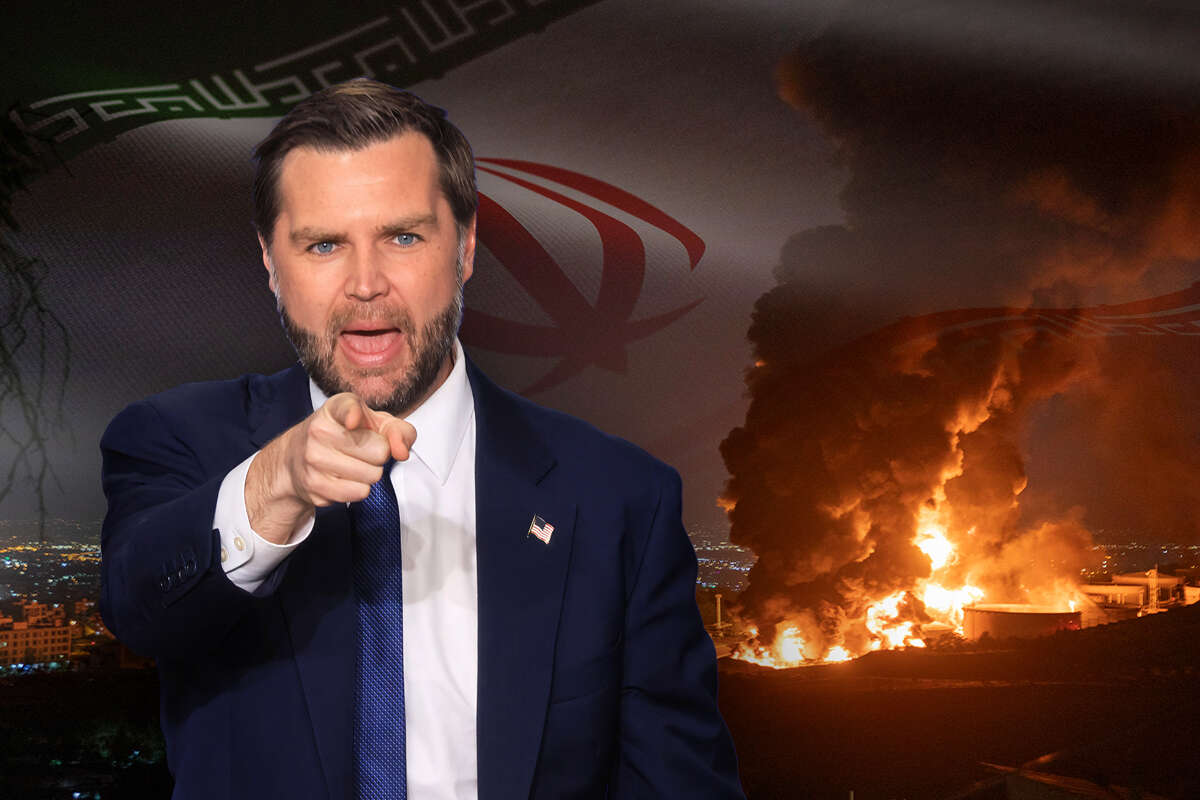
In other words, three of the four factors, the war, its economic consequences and the special relationship between the two countries, placed responsibility for the election results squarely on Israel.
It bears remembering who is speaking. Vance is not merely the American vice president and an influential figure in the administration. He is also a leading member of the Republican Party, supposedly Israel's staunchest political ally, and a man who aspires to become its presidential nominee in the next election.
For Israel, this is a colossal failure. Having already lost the Democratic Party, whose candidates competed to see who could denounce Israel most fiercely, it now faces a Republican Party that is turning against it as well.
Books will be written about this disgraceful failure, and particularly about how dangerous and alarming it is. They will examine the decision to abandon Israel's longstanding policy of cultivating bipartisan support in favor of an unmistakable preference for the Republican Party, a strategy that has now blown up in Israel's face.
Prime Minister Benjamin Netanyahu, who pursued this policy alongside his close confidant Ron Dermer, was always regarded as Mr. America, the man who understood the country and its politics better than anyone else. The gamble he took on behalf of the State of Israel, and American Jewry, has cost Israel its standing in America.
In a desperate attempt to salvage the elections, Trump announced that US military aid to Israel would be canceled beginning next year, a move he said Netanyahu himself had initiated. Jaws dropped throughout Israel's security establishment, and well beyond it.
It turns out that Netanyahu decided to double down on his gamble. Rather than tighten the bonds holding the two countries together, he chose to loosen them further. As usual, he did so without any proper preparatory work or consultation, and without informing anyone. And because the decision was made through irregular channels and communicated in an equally irregular fashion, the damage it has caused remains difficult to assess.
For years, it was customary to say that Israel's security rested on two main pillars. One was the capability widely attributed to Israel at Dimona, a reference to its presumed nuclear arsenal. The other was unconditional American support, expressed not only in financial assistance and a seemingly endless supply of weapons and equipment, but also in diplomatic backing at international institutions and broad support among the American public.
The American Israel Public Affairs Committee, or AIPAC, was long considered one of Washington's most powerful lobbying organizations, capable of influencing presidents and congressional decisions alike.

Candidates for national and local office once competed for AIPAC's favor and coveted invitations to visit Israel. In the latest elections, they competed to pledge that they would not work with AIPAC or support Israel.
Losing America is no ordinary setback. Beyond the economic consequences of ending military assistance, whenever that actually happens, and the security implications of severing the special relationship with American defense industries, there are far-reaching consequences for Israel's place in the world and the region.
Without the United States behind it, imposing sanctions on Israel will become far easier, including within the US itself, where numerous voices are already openly calling for such measures. Attacking Israel will become far more tempting, while cooperating with it will become considerably less attractive.
Israel will become a pariah, a development that could quickly encourage attempts to undermine its capabilities.
It was depressing this week to hear Netanyahu's mouthpieces advocating a break with the United States. As though Israel could survive on its own. As though there were any substitute for American backing. As though Israel had a solution to the growing distress of millions of American Jews.
As though "a people that dwells alone" were a strategy. As though it were realistic to live in a "super-Sparta," fight with sticks and stones and promote a cryptocurrency economy.
These are the Titanic's final moments. Anyone holding binoculars can already see the iceberg toward which the ship is sailing, while the passengers continue celebrating on deck, convinced the party will never end.
Well, it is ending. That is precisely what Hillary Clinton, a great friend of Israel, warned about at the Israel Hayom Summit in New York last year. She urged Israel to change course before it was too late.
Israel refused to listen. And now winter is coming, as they used to say in "Game of Thrones."
Iran.
It is an open secret that Netanyahu is pushing for, and actively seeking, another round of war with Iran. He has wanted one ever since the fighting stopped in mid-April, and his desire intensified ahead of the Knesset elections. Whether he will get his wish now is unclear. Vance's remarks, reflecting the prevailing mood in the United States, hardly encourage another war.
Ultimately, the decision will depend on Trump's mood and whether he chooses to double down on his own gamble or cut his losses. Regardless of Trump's decision, an obvious question needs to be asked: What would another war be intended to achieve?
Once again, the Israeli public is being led toward a military campaign whose objectives and prospects are unclear, without a serious debate about them, either behind closed doors or, certainly, in public.
Of the four objectives set for the previous campaign, toppling the regime, eliminating Iran's nuclear program, whether through voluntary abandonment or military force, halting missile and drone production, and ending support for regional proxies, only one was achieved: disrupting missile and drone production. Even that success was partial, because Iran has since managed to rebuild its production capabilities.
Trump claims another round, if it takes place, will be short and deadly. That claim deserves a major caveat: He said the same thing in March, and it did not happen.
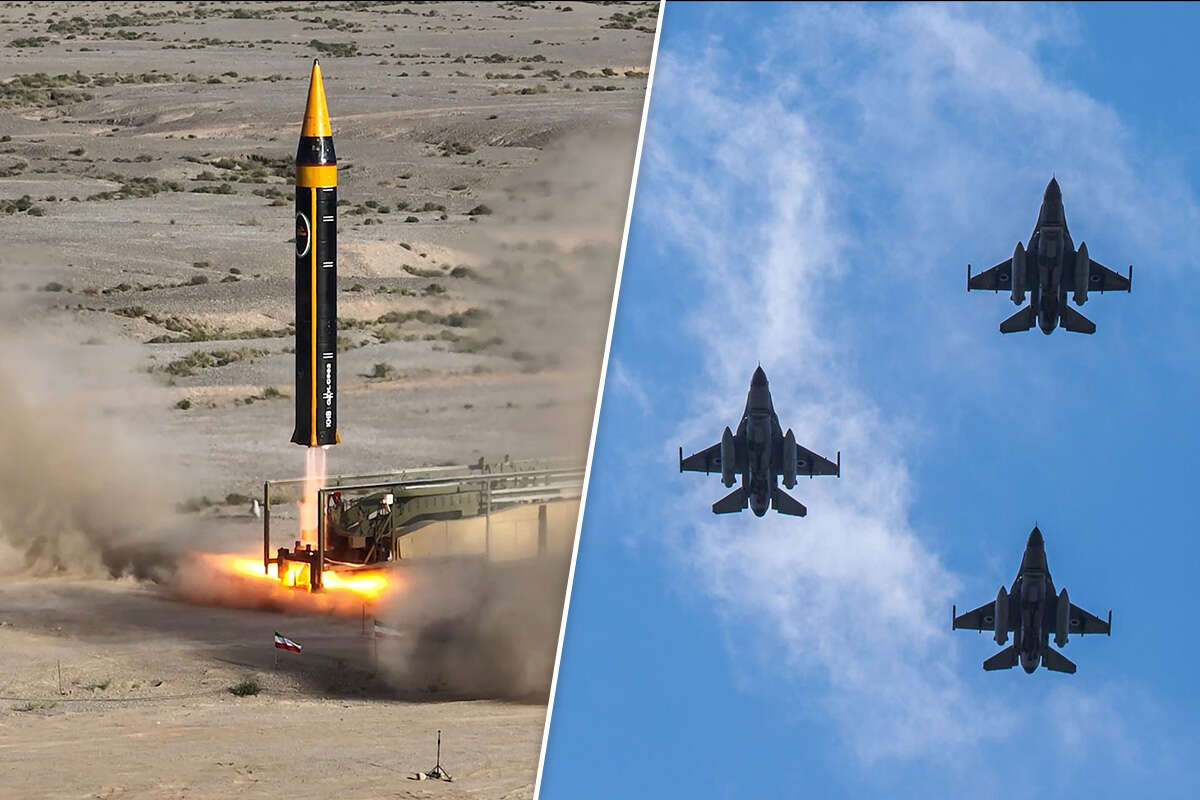
Netanyahu believes another round, if it takes place, will bring down the regime. That, too, deserves a major caveat: He believed the same thing would happen in March, and it did not.
As for the nuclear issue, Iran has drawn precisely the opposite lesson from the previous two rounds of fighting. From Tehran's perspective, it must not abandon its nuclear ambitions. It must advance them and acquire a nuclear capability as insurance for the regime against future wars.
Israel is now banking on a domino theory. The idea is that an intense, effective assault on Iran's national infrastructure will be felt in every household, driving masses of people into the streets and turning them against the regime, in the hope that it will collapse.
After the failure to predict internal Iranian developments during the previous round of fighting in March and April, greater modesty would seem advisable, both in setting objectives and in forecasting what comes next.
Above all, Israel should also consider the possibility of negative developments. Iran, for example, could retaliate by destroying critical national infrastructure in neighboring Gulf states, triggering a global energy crisis, a dramatic increase in oil prices, another surge in the cost of living, including in the United States, and mounting criticism of Israel for dragging the Americans into yet another war.
And that is before considering the damage to Israel's economy or the physical toll in lives and property at home.
Faced with a choice between accepting the existence of an extremist regime bent on killing and revenge, which could, heaven forbid, acquire nuclear weapons, and taking action against it despite the heavy physical, economic and international costs, the second option is preferable.
But here, too, there is an important caveat. Such a campaign must be planned far better than the one launched in March, or the preparations being made now, to give it the best possible chance of achieving its objectives.
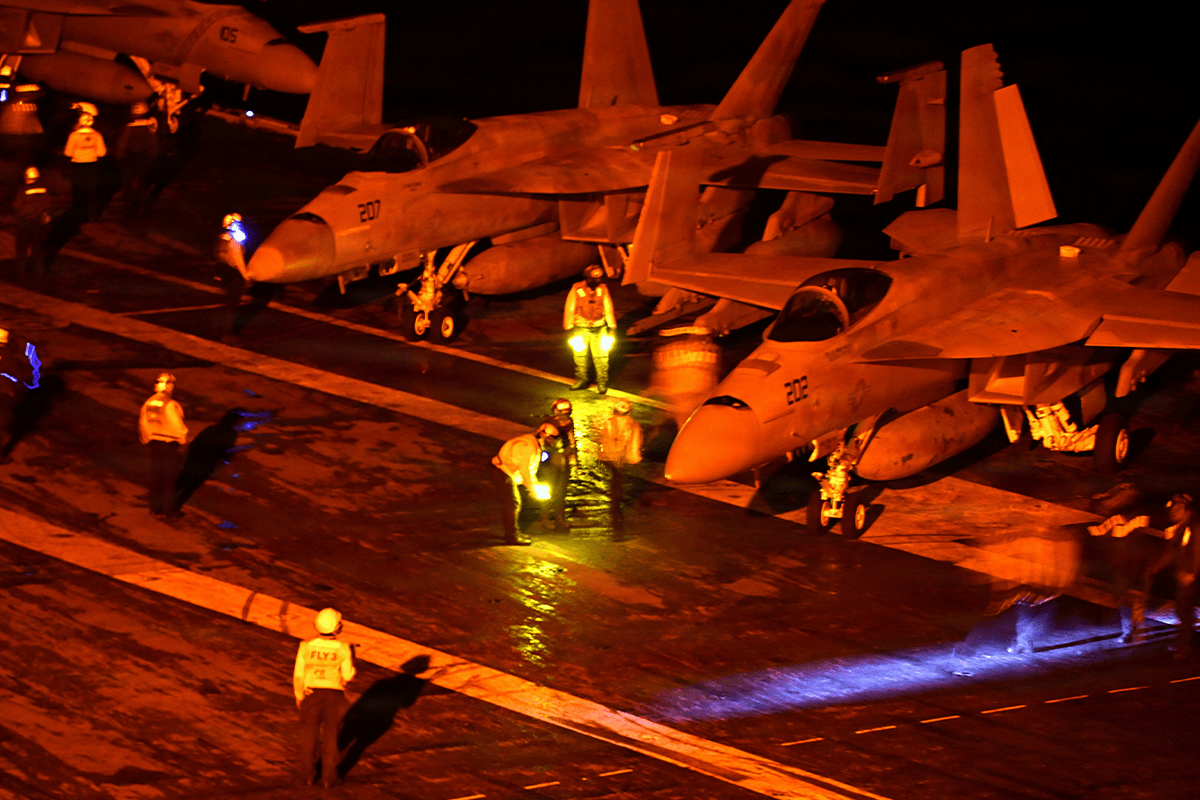
Ahead of the previous campaign, officials in the IDF's Military Intelligence Directorate warned, including in written communications, that the risks outweighed the prospects of success. They warned that the regime would not fall, that the nuclear objective would not be achieved, that the Strait of Hormuz could be blocked and that the Gulf states would pay a heavy price.
Netanyahu refused to listen. He persuaded Trump to go along with him despite the objections of senior administration officials, who believed Israel was displaying excessive confidence.
Once again, Netanyahu's gamble has proved a failure. Trump paid the price this week. Israel will now pay it, with compound interest. The only party celebrating is the regime in Iran. Rather than bringing it down, Israel has strengthened it.
Elections.
Let one thing be clear from the outset: Suspicions of electoral fraud and attempted foreign interference demand a thorough, exhaustive investigation. The dispute concerns how such an investigation should be conducted, and who should be investigated.
Shin Bet security agency chief David Zini wanted to investigate everyone, as quickly as possible. He was even prepared to deploy some of the agency's special capabilities in the process. Attorney General Gali Baharav-Miara had to remind him that democracies have rules, as does the law governing the Shin Bet.
Several senior Shin Bet officials sided with her, including the head of the investigations division, identified only as O., and the agency's legal adviser, identified as N. In private conversations, Zini has described the suspicions in dramatic terms: "Not smoking guns, but forests on fire." Time will tell whether he was entirely right, partly right or completely wrong.
He has also expressed surprise that the Shin Bet was barred not only from investigating Arab MKs, who enjoy parliamentary immunity, but also from investigating people around them. According to Zini, no such restrictions were imposed in similar investigations in the past, including the Qatargate affair involving Netanyahu's associates.
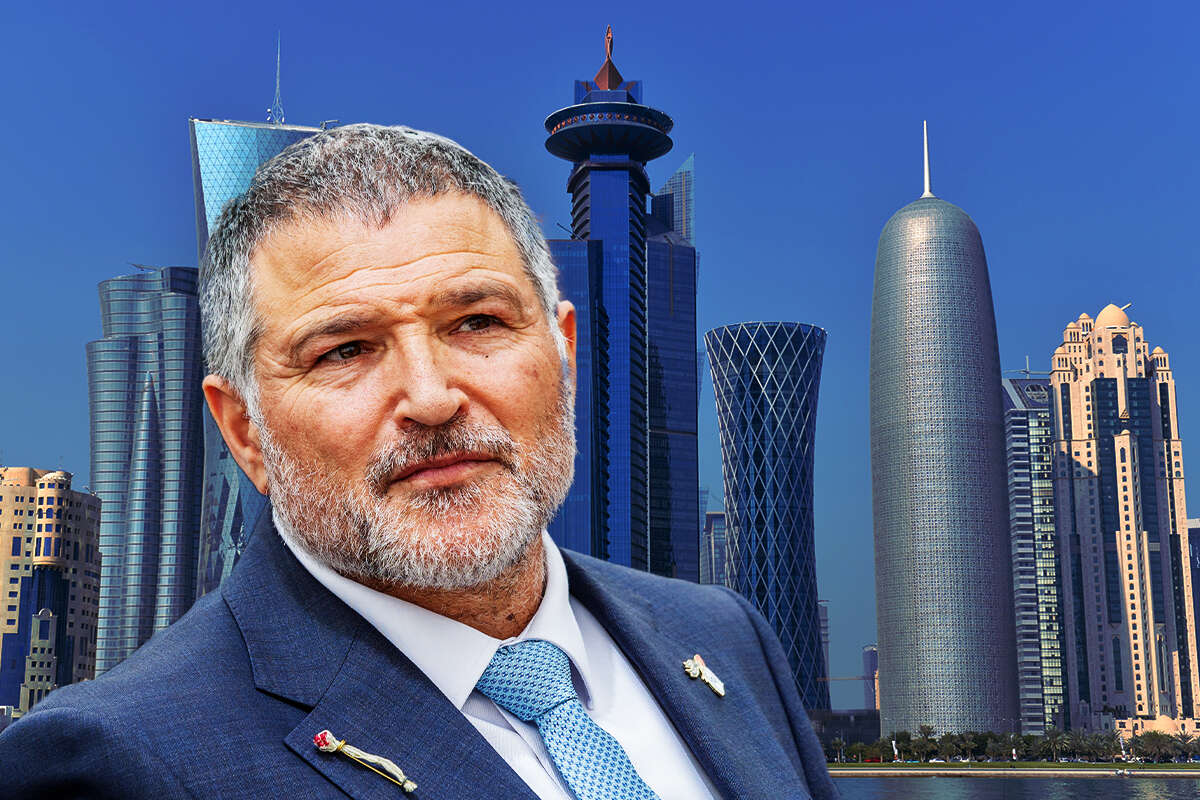
It is far from certain that the comparison is valid, or that Zini should have allowed himself to appear as though he were carrying out a mission on Netanyahu's behalf.
After all, Zini and his agency have plenty to answer for themselves. Their sole responsibility in these elections was to safeguard their integrity. If fraud and foreign interference did indeed occur, they failed in a way that demands a profound shake-up, including personal accountability.
If no fraud occurred, Zini's current alarm is exaggerated and excessive, and could raise suspicions that he is trying to alter the election results after the fact, particularly in light of Supreme Court Justice Noam Sohlberg's finding that the elections were free of irregularities.
Zini says he will act strictly within the law, meaning in accordance with the instructions he has received and will receive from the legal authorities. He has reservations about those instructions but insists he will not overstep them. People close to him have also expressed bewilderment over statements supposedly issued in his name or on his behalf, even though he had spoken to no one, as well as allegations made against him.
One such allegation was that the prime minister's wife had called him and screamed at him. Asked about it this week, Zini said he had not spoken to Sara Netanyahu in six months, perhaps longer, and that he had briefed Netanyahu himself only with Sohlberg's authorization. "Eisenkot was given more information," he told his interlocutors, referring to former IDF chief of staff Gadi Eisenkot.
As noted, the suspicions must be investigated and clarified. Nevertheless, it is hard not to question the role Zini and the Shin Bet are playing in Netanyahu's campaign, which began even before the elections, to portray the vote as stolen and, above all, to depict Arabs as enemies of the state.
If the massive turnout among Arab Israelis demonstrated anything, it was that most want to be integrated into Israeli society, not separated from it. For years, that was precisely the message the Shin Bet promoted in every possible forum. If Israel failed to integrate its Arab citizens, senior agency officials warned, it would eventually find itself confronting them as enemies within.
And then there is the double standard. There is no conceivable justification for foreign interference in elections, if such interference occurred. Yet while Likud cries foul, Netanyahu has benefited from the mother of all foreign interventions, that of President Trump.
And while Netanyahu demands investigations of Arab MKs, and even their imprisonment, as proposed by National Security Minister Itamar Ben-Gvir, he has granted immunity to MK Tally Gotliv.
The list goes on. Apparently, moral outrage is a highly selective affliction.
Unity.
Since the election results became clear, calls for national unity have grown louder. The argument is that, given the challenges facing Israel, there is no choice but to bring together the political forces representing most of the public.
Netanyahu himself called for unity this week, but on his own terms: He would retain his political allies and remain prime minister. That is not unity. It is unity on his terms. Set aside Netanyahu's lack of credibility and his record of failing to honor agreements. Anyone interested can ask Benny Gantz.
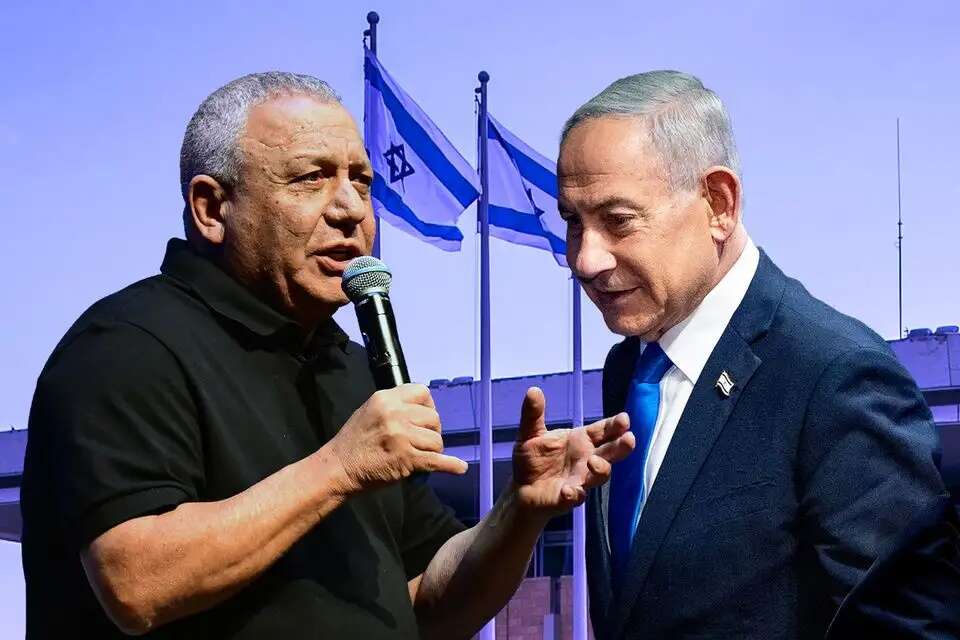
Likud may have won more seats than any other party, but 67 Knesset seats went to parties opposed to Netanyahu. More importantly, there can be no unity with Ben-Gvir, who bears substantial responsibility for the damage inflicted on the State of Israel.
If Netanyahu genuinely wants unity, he will have to make concessions, just as his opponents will. If he refuses, it will once again demonstrate that he puts himself ahead of the country. It really is that simple, even as Israel's predicament is that complicated. Black or white. Him or us.
Israel made its choice last week. Now it is Netanyahu's turn to choose.