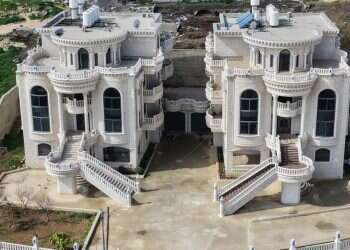
For nearly nine decades, the sounds of Torah study had fallen silent at the historic Radin Yeshiva in Belarus. Its halls, once filled with the voices of Torah scholars, had been transformed into a secular theater. In October 2026, that silence was finally broken as Rabbi Dovid Hofstedter, founder and president of Dirshu, led the restoration and rededication of one of the Jewish world's most revered institutions.
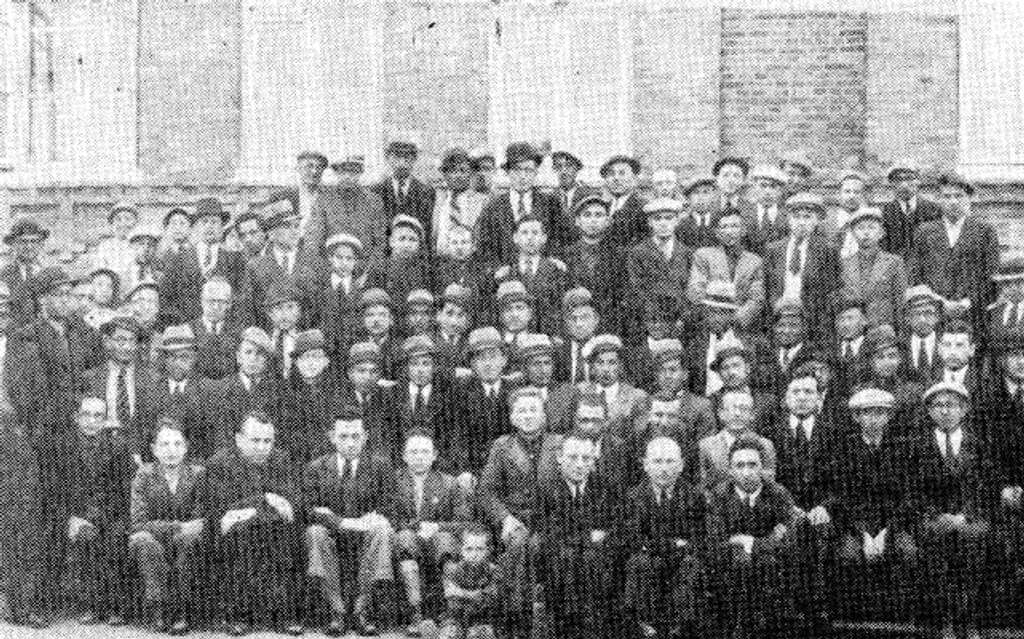
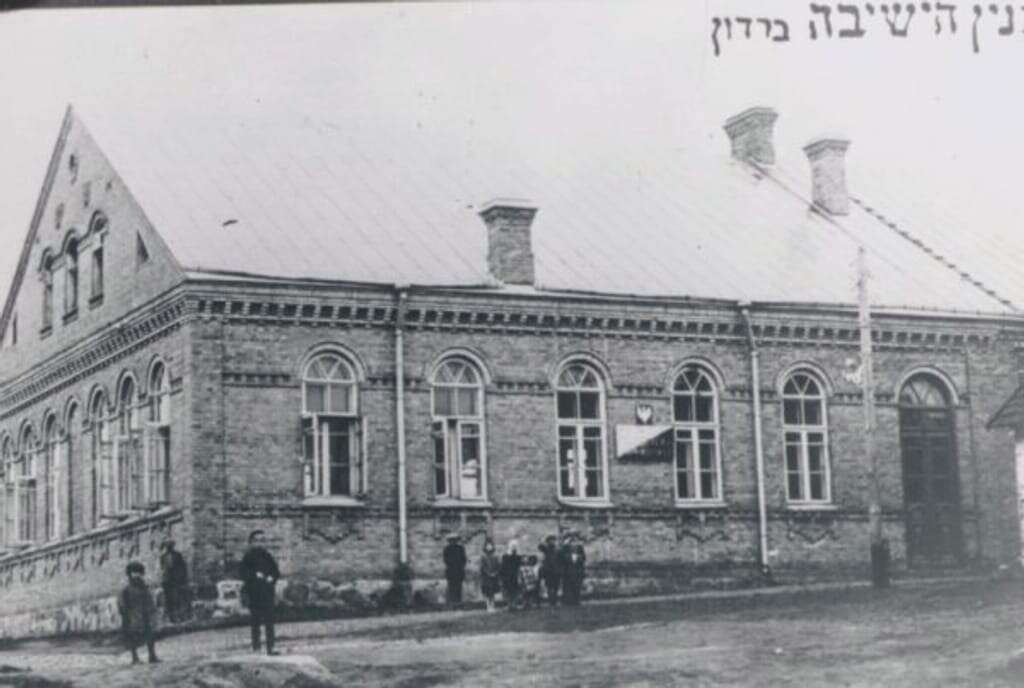
Founded in 1869 by Rabbi Yisrael Meir Kagan, known universally as the Chofetz Chaim, the yeshiva became a leading center of Torah scholarship in Eastern Europe. Before World War II, it housed some 300 students. The Soviet occupation brought its activities to an end, and the Holocaust devastated Radin's Jewish community. The building survived, but its intended purpose faded from local memory.
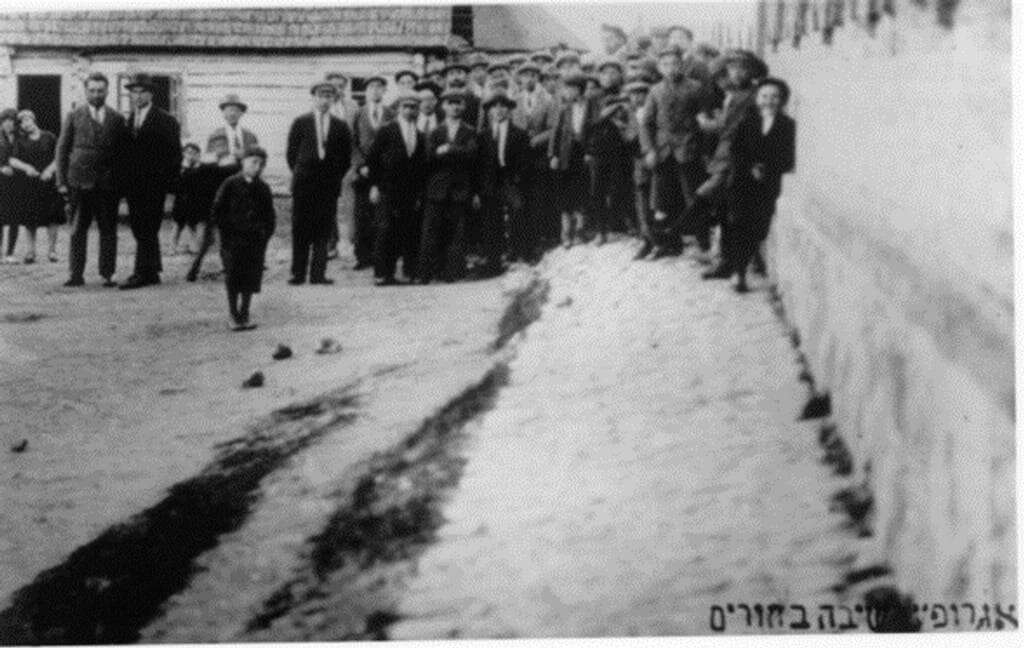
For Rabbi Hofstedter, a significant moment came during a visit roughly five years ago. While he was delivering a Torah lecture in the former yeshiva, residents wandered in expecting a theatrical performance. The encounter underscored how completely the building's history had been obscured — and reinforced the importance of bringing it back to life.
The restoration project was the initiative of Rabbi Moshe Fhima, who runs Yad Yisroel in Belarus. In 2025, the Jewish nonprofit Yad Yisroel acquired the property from the local municipality. Rabbi Hofstedter spearheaded the international restoration effort in cooperation with Rabbi Fhima. Workers replaced the deteriorating roof and windows, installed a new Torah ark, and reconstructed traditional wooden furnishings to evoke the yeshiva's prewar appearance. A Torah library is also being brought from Israel.
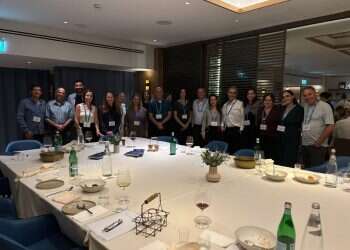
The restored study hall, named Heichal Dirshu, was formally dedicated in October before a gathering of approximately 100 rabbis and Torah leaders from Israel, the United States, Europe and beyond. Among the participants were Rabbi Dovid Cohen, Rosh Yeshiva of Chevron, who delivered a Torah lecture in the renewed hall, and Rabbi Eliezer Yehuda Finkel, Rosh Yeshiva of Mir.
The delegation subsequently gathered at the Chofetz Chaim's gravesite, where a special Sefer HaGiborim containing more than 100,000 names associated with Dirshu's study initiatives was presented. The moment symbolically connected the original Radin Yeshiva to contemporary Torah learning across the globe.
Yet Rabbi Hofstedter has stressed that the goal is not simply historic preservation. The reopened yeshiva is intended to function as a place of Torah study, rather than a museum.
"The greatest tribute we can give the Chofetz Chaim is to learn his Torah and pass it on," he said in a statement announcing the restoration.
That mission has a personal dimension. Rabbi Hofstedter's parents survived Nazi concentration camps before rebuilding their lives in Canada. In 1997, he founded Dirshu, which has since developed a global network of structured study programs including tests in Talmud and Jewish law, including the Chofetz Chaim's Mishnah Berurah.
The renewed yeshiva stands as both a recovery of Jewish Torah heritage and a commitment to its future. In a town where the prewar Jewish community has vanished, the return of Torah learning offers a striking answer to decades of destruction and neglect: Radin is once again a place where the Chofetz Chaim's legacy is studied, not merely remembered.