
For many Jews considering aliyah, the desire to move to Israel is there. Finding a job, however, can be a different story. Amid a frightening climb in antisemitism in France, many French Jews are looking to make the move but fear they will struggle to find employment.
Raphael Ber, a cybersecurity associate director from Paris who made aliyah five years ago, saw this gap and came up with a solution. A little over two years ago, he joined forces with Valentin Bar Cohen, head of investment, and Elsa Yana, co-founder of a tech platform, to establish AcceleraZion, a nonprofit helping experienced French engineers find jobs in Israel before making aliyah.
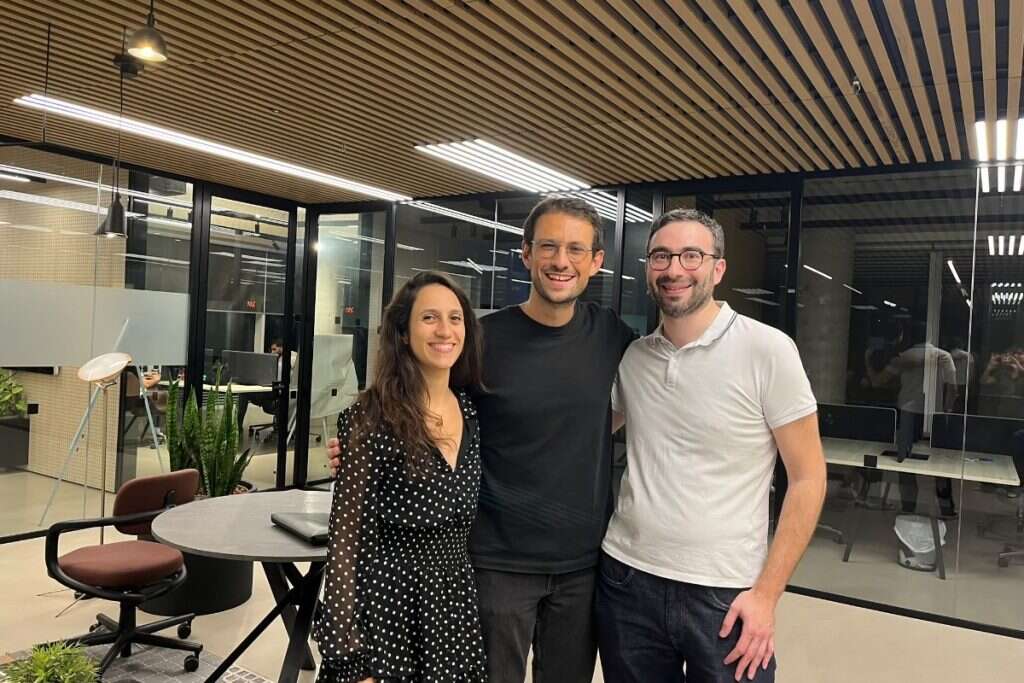
The organization has approximately 50 mentors, French olim working at Israeli tech and engineering companies including Google, Amazon, Monday and Deel. In its first two years, it helped 17 people make aliyah and find jobs in leading Israeli companies.
"We identified a pain point"
"We identified a pain point for our French engineers that are willing to move to Israel. They have high motivation, it's easy to stop everything they are doing and get to Israel, but they are not ready to make the step," Raphael explained to Israel Hayom in an interview. "We identified that if we help them find a job, then they will be ready to move."
The idea grew out of Raphael's involvement in Taglit. After serving as a madrich on nine programs, he remained connected to the French Jewish community. Following October 7, he joined a Taglit volunteering initiative, where he met six French volunteers. One expressed interest in working for an Israeli company, prompting Raphael to discuss the idea with his two friends.
"After discussions with two friends, we said that in fact we need to do something for those people who are super motivated. And we decided to create this organization called AcceleraZion."
AcceleraZion matches candidates with mentors in their professional fields, who advise them on the Israeli market and help prepare them for interviews and how to present their experience to potential employers. The organization generally works with candidates aged 25 to 35 who have at least two to three years of professional experience.
The goal is "that we can help them understand the markets, understand how to present in front of the markets, and also get a job in the end," Raphael said.

"Companies are looking for the best people"
One of the biggest obstacles is that candidates are still living in France when they apply. Employers can be reluctant to hire someone who has not yet made aliyah, particularly if they do not speak Hebrew or have Israeli work experience. Raphael believes the candidates' professional experience however makes them strong prospects.
"All of this is balanced by the fact that our engineers are super strong. French engineers have a lot of knowledge and experience of the real world. And the fact that they are so good, it's balancing the fact that they are not like any other candidate."
"At the end the companies are looking for the best people, not just for people that can move fast," he added.
He believes bringing international professionals into Israeli companies can also encourage innovation and fresh thinking.
Language is another consideration. Candidates need a good grasp of English, while the organization encourages them to learn Hebrew before moving. Through a partnership with an ulpan in France, AcceleraZion helps prospective olim begin studying Hebrew before arriving in Israel.
"They work in English like in France. They have to have good English," Raphael said. "At the end we are strongly advising them to learn Hebrew, but if they want to stay just using English, that's their choice."
Timing is also critical, as employers often need new employees to start quickly. AcceleraZion works with the Jewish Agency in France to help candidates arrange aliyah and housing. In one case, the organization helped coordinate the process for someone hoping to complete aliyah within 48 hours because a job was waiting for him.
"The main challenge here is that you need to be fast because people on the market don't wait for you," Raphael said. "You are competing with Israelis that are already here. So, if you don't have this opportunity to come in one month or not have two months, then you are missing the job."
"My initial goal was really one person"
Despite the challenges, AcceleraZion has already supported 17 olim to make aliyah successfully. All those it has helped are now living in Israel, Raphael said, and some who initially considered coming for just a year have decided to stay.
"Our objective is also making sure that the aliyah is successful. And at the moment that's working," he said. "All the people who we supported are here and when they found the job they are staying and they are glad to be here."
The organization has built relationships across Israel's technology sector, including with Michael Eisenberg of venture capital fund Aleph, who supports the initiative financially and helps it grow. It has also attracted interest from the Israeli government's AI Directorate, which is working to bring more talent to Israel.
Last month, on October 18, AcceleraZion held its "Tech Talent Challenge" at Startup National Central in Tel Aviv, marking approximately two years since the company's founding. The event brought together French tech talent and Israeli industry leaders to celebrate the milestone and strengthen connections between the two communities. It included an opening conversation about Israel's tech ecosystem and talent needs with Michael Eisenberg, partner at Aleph, and Ayelet Gavish, head of human capital at the AI Directorate of the Israeli Prime Minister's Office.
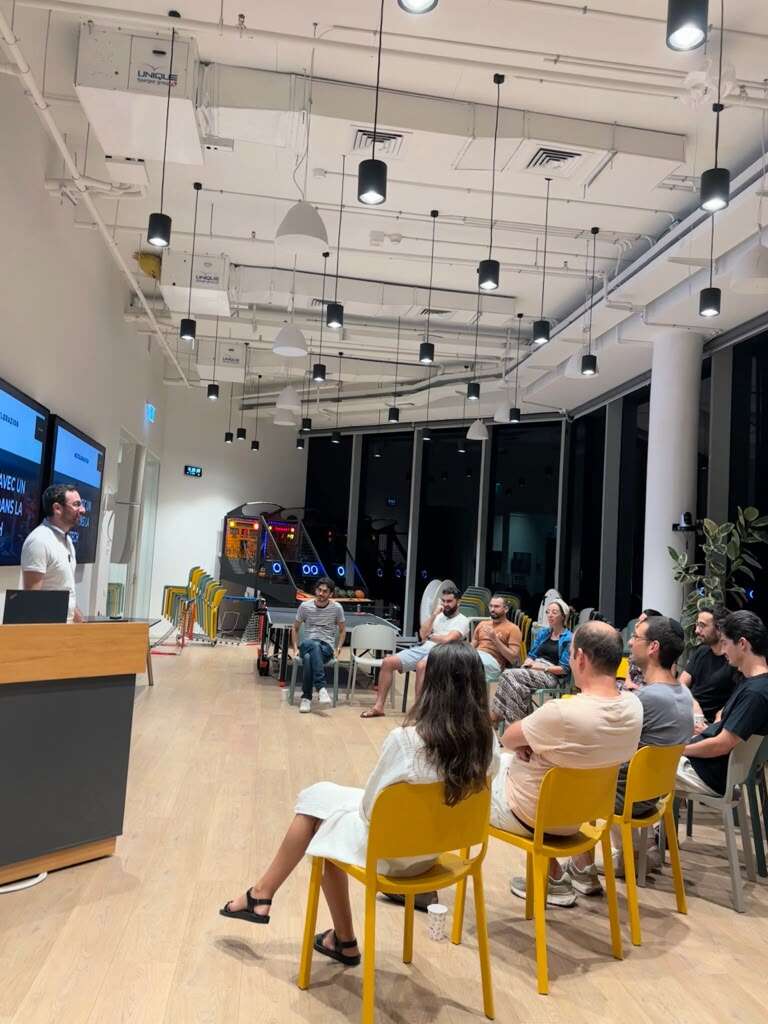
Participants had the opportunity to expand their networks, while mentors were encouraged to identify outstanding engineers, PhDs, founders and tech professionals considering aliyah and a career in Israel.
AcceleraZion's growing reputation has also begun to draw attention from Israeli employers. During a recent visit to Google, Raphael met with the manager of one of the French engineers who had moved to Israel through the initiative. The manager told him he was opening more positions and said, "We are really keen to hear from you and get some more candidates," Raphael recalled.
The success of AcceleraZion has exceeded his original expectations, and he is surprised but pleased. "At the end of the day, my initial goal was really one person. You know, like one person I can get one chance at [helping them in] life. But now that we are able to replicate it, it's fantastic," he said.
For now, AcceleraZion is concentrating on France, although its founders are considering expanding into other countries and professions where there is demand for skilled workers. Raphael emphasized that the organization doesn't tell people to make aliyah but rather helps them to do so. "We are explaining how to come to Israel and not why," he said.
"We are matching a market [need]. Like the tech market in Israel [there] is high demand for good profiles and French engineers that want to come," he added.
The organization will hold a conference on December 1 in Paris, where eligible candidates can learn about opportunities in Israeli tech, meet the community and discover how AcceleraZion can help them find their next job. With 17 people already having made the move, the founders are now looking at how many more they can help.