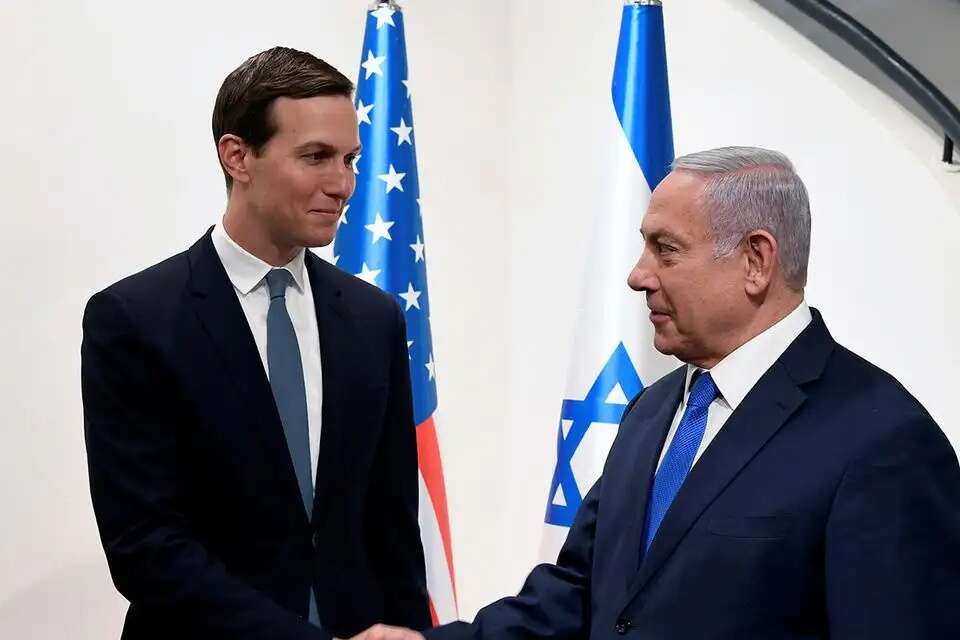
Following reports of his conversation with Prime Minister Benjamin Netanyahu on Tuesday, during which he urged the prime minister to honor his commitments to Trump on Gaza, and his warning in New York Magazine that Israel was heading toward "global-pariah status," Jared Kushner is calling on Israel to move beyond its wartime mindset and focus on economic diplomacy.
In an interview with Mathias Döpfner on the MD MEETS podcast, released Wednesday, the son-in-law of US President Donald Trump said Israel should allow Gaza to be rebuilt once it has been demilitarized and leverage its economic strength to forge regional partnerships.
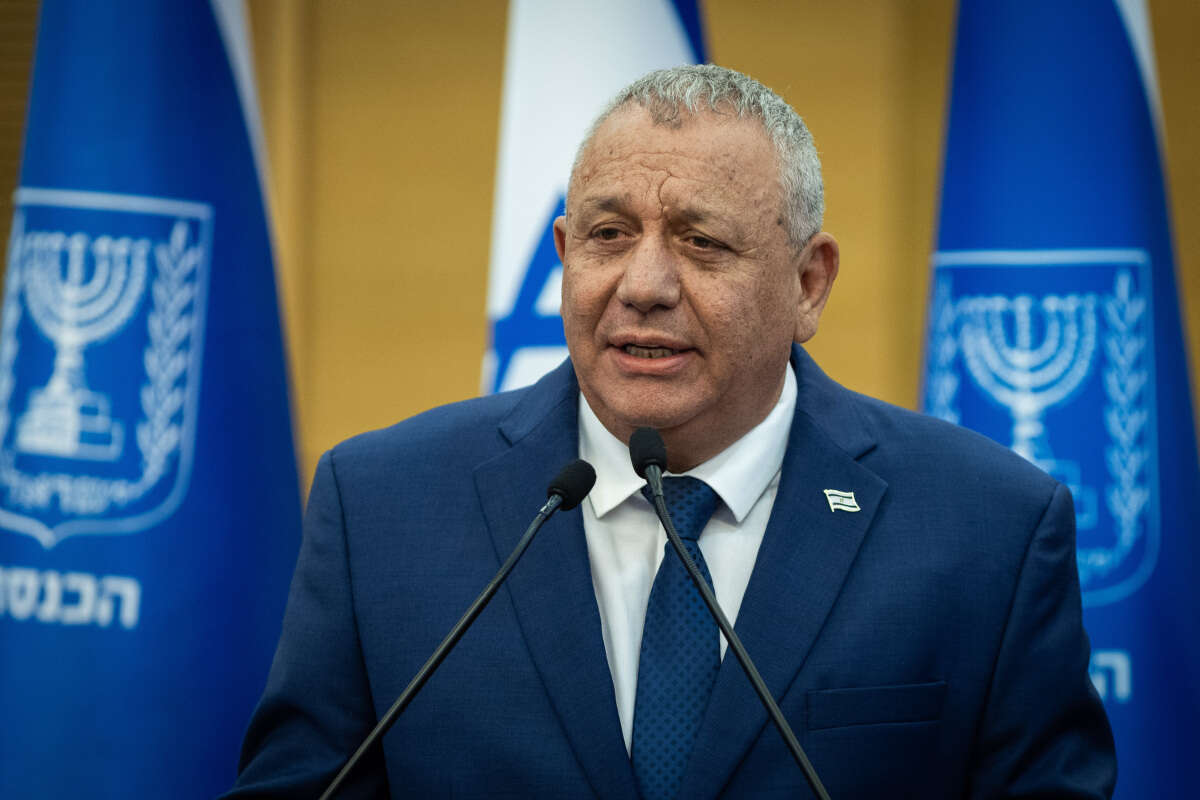
Asked whether Gadi Eisenkot becoming prime minister could change the course of negotiations over Gaza, Kushner said Eisenkot had made very positive comments about prioritizing the issue. Kushner noted that Israel's elections had caused something of a setback in efforts to advance the plan for the Gaza Strip.
However, Kushner recalled that Netanyahu had signed the agreement. "I've known Bibi for a long time, and he doesn't always make it easy," he said, adding that his conversations with Netanyahu had been productive and that he believed the prime minister understood the strategic importance of the plan. Kushner expressed confidence that whoever became prime minister would make it a priority because there was no alternative.
Israel, Kushner said, needs to "get out of the constant wartime mindset" and focus on economic diplomacy. He pointed to Saudi Arabia and the United Arab Emirates as examples, noting that their delegations come to Washington with 100 businesspeople and sign deals. Israel, he said, has a very strong economy and remarkable technologies.
During the interview, Kushner also proposed pursuing joint ventures with Egypt. If the situation in Gaza could be resolved, he suggested, Israel and Egypt could develop data centers and energy projects together in the Sinai Peninsula, creating a warm peace that would bring economic benefits to everyone. That, he said, was what the Abraham Accords had demonstrated.
Kushner linked Gaza's reconstruction to its demilitarization. If the weapons could be removed from Gaza, he said, Israel should enable its reconstruction and demonstrate that it opposes terrorism, not the Palestinian people. Israel, he added, needed to be convinced that the process would be carried out in a gradual, verifiable manner.
Addressing Hamas' commitment to disarm, Kushner said, "There's another step between having a signed agreement and actually collecting the weapons, but we have a plan to do that. We're setting up an international stabilization force." He also described efforts with a Palestinian team to establish a technocratic government in Gaza, which he said was committed to shutting down the tunnels and collecting weapons.

Asked about a two-state solution, Kushner said the immediate focus was on finding a path toward coexistence. He described the Palestinian Authority as deeply corrupt and ineffective, adding that Israelis currently lacked confidence in the Palestinians' desire for peace. At the same time, he stressed that there were Palestinians who wanted peace and that the challenge was finding the right framework.
Asked about the surge in antisemitism following the October 7, 2023, massacre, Kushner argued that protest movements had embraced the Palestinian cause to advance their own agendas.
"The climate activists who became Black Lives Matter activists essentially became 'Free Palestine' activists," he said. While acknowledging that he was not necessarily an expert on what was driving the phenomenon, Kushner stressed the need to address it.
Kushner linked efforts to combat antisemitism to the reconstruction of Gaza. He said he had witnessed a global rise in antisemitism and hatred following October 7 and the war in Gaza, and argued that people would not be able to move on until the situation in Gaza had been resolved. In his view, a clear vision for the day after the war was essential to moving forward.
On Iran, asked about the possibility of US military action, Kushner said, "President Trump always keeps all options on the table."