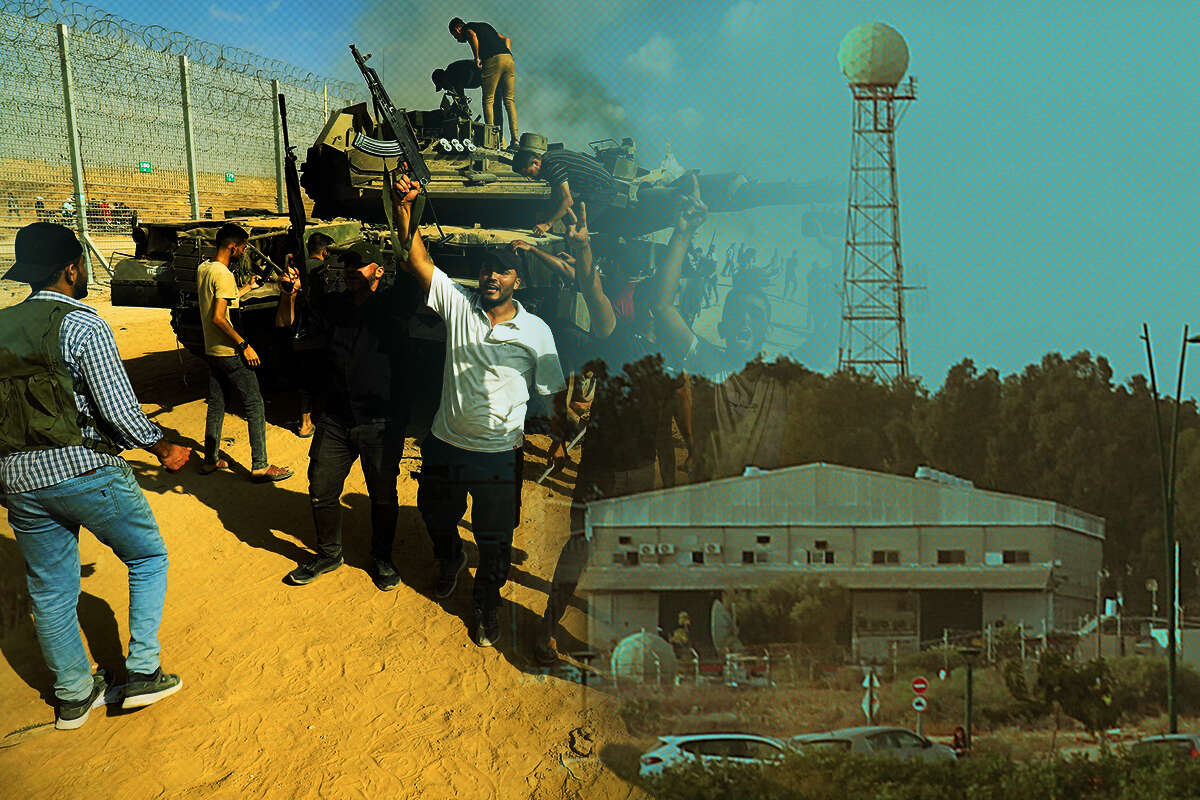
More than three years after October 7, the Israel Defense Forces still appears to be struggling to complete its core investigations into the failures that enabled Hamas' surprise attack.
Most of the investigations into the individual battles fought in the Gaza border communities during the first days of the war have been made public, after their findings were presented to the relevant communities and families. As of today, only three battle investigations have yet to be presented to the families of the fallen.
However, the investigations into the IDF General Staff, the development of flawed intelligence assumptions and the serious affair surrounding the "Jericho Wall" plan have yet to be presented in full to anyone outside the military. More troubling still, as far as is known, some have not even been completed.
All this comes as the establishment of a commission of inquiry into the failures and the subsequent war continues to be delayed, leaving both the public and IDF commanders themselves without answers to critical questions.
"The investigations are a hot potato that no one in the IDF wants to touch," a military source tells Israel Hayom. "They've shelved the investigations into the massacre."
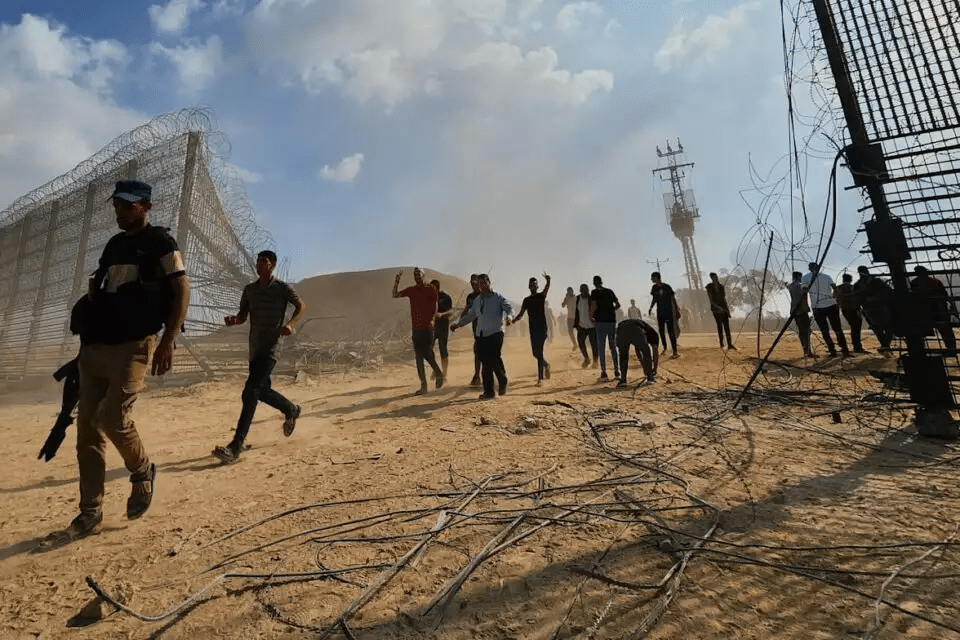
Clashes within the military
Since October 7, the investigations have been at the heart of public criticism of the IDF. Bereaved families, residents of the communities devastated by the attack, political officials and the media have all demanded that the military examine its own conduct in the wake of the greatest failure in its history.
The military initially appeared to make a genuine effort to examine its conduct in the period leading up to October 7, carrying out numerous internal investigations while fighting the war.
The driving force behind these efforts was then-IDF Chief of Staff Lt. Gen. Herzi Halevi, who continued to work on and oversee the investigations, and even present their findings to the communities, after stepping down.
The way the military conducted its investigations sparked heated clashes not only between the military and the political leadership, but also within the IDF itself. In an investigative report published by Israel Hayom in January 2025, while Halevi was still chief of staff, allegations emerged that the investigations were being conducted superficially, partly because of the complicated personal relationships between those conducting the investigations and those being investigated.
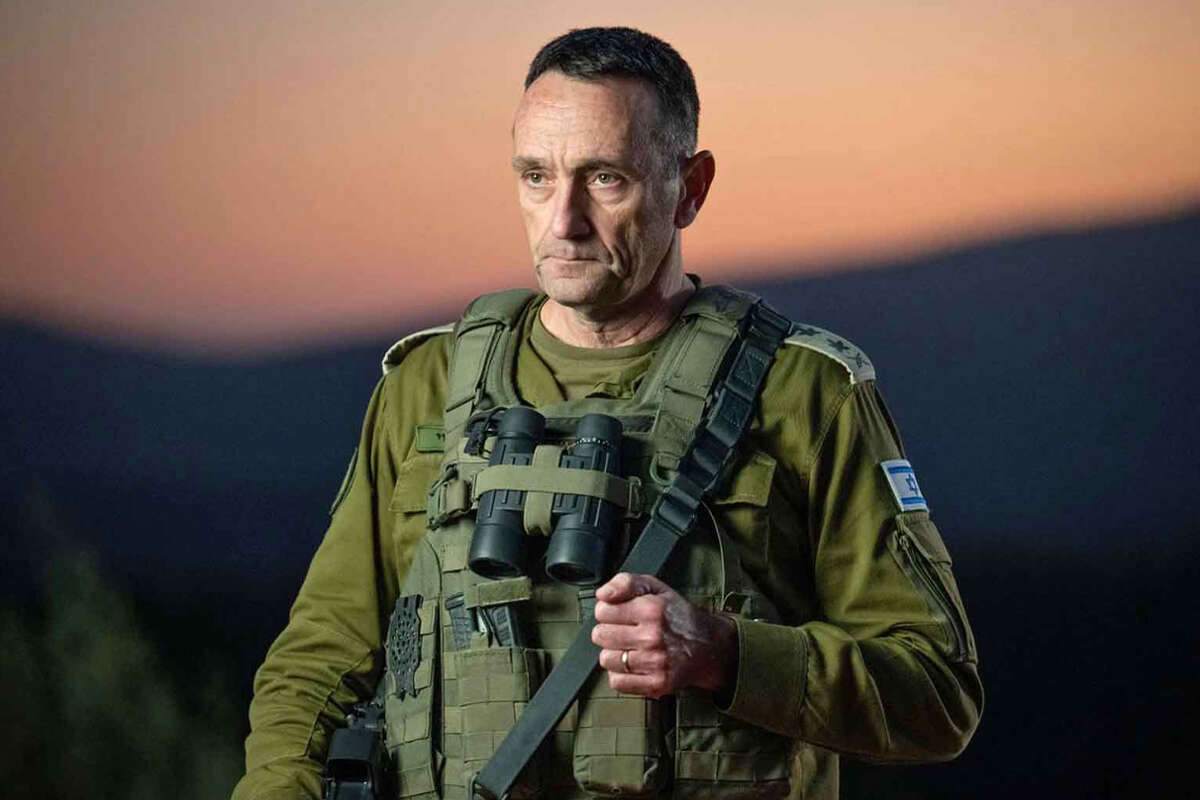
"I have enormous respect for Herzi, for his resilience and for the way he led the military during the war," a senior IDF official told Israel Hayom at the time. "But I am highly critical of the fact that his investigations are one big sham."
In response to public criticism, immediately upon taking office in March 2025, the new IDF chief of staff, Lt. Gen. Eyal Zamir, appointed Maj. Gen. (ret.) Sami Turgeman to review all the IDF investigations and conduct what became known within the military as the "investigation of the investigations."
In early November 2025, Turgeman submitted his recommendations. He concluded that five of the 25 investigations conducted up to that point failed to meet the required professional standards and classified them as "red."
The list of investigations flagged red included those into the Operations Division, decision-making on the night of the massacre, operational planning at the General Staff level, operational and strategic issues, and the deployment of the Israeli Navy.
Turgeman also recommended conducting an in-depth investigation into "the handling of intelligence received over the years and the broader operational and military campaign aspects of the 'Jericho Wall' plan."
Zamir subsequently tasked his deputy, Maj. Gen. Tamir Yadai, with overseeing the completion of the five "red" investigations and appointed Maj. Gen. (ret.) Roni Numa to lead the investigation into "Jericho Wall." At the same time, the chief of staff announced disciplinary measures against several senior officers, including former Military Intelligence Directorate chief Aharon Haliva, former Gaza Division commander Avi Rosenfeld and former Unit 8200 commander Yossi Sariel.
Falling off the radar
Media reports indicated that assigning Yadai responsibility for completing the investigations had led to tensions between him and the chief of staff's office. The reopening of the investigations also sparked a dispute between Zamir and Defense Minister Israel Katz, who demanded that the defense establishment comptroller also review Turgeman's "investigation of the investigations."
Only after Prime Minister Benjamin Netanyahu arranged a "reconciliation meeting" between Katz and Zamir was it agreed that the defense establishment comptroller would join the team investigating the "Jericho Wall" document as an observer and receive updates on some of the investigations that Turgeman had recommended be conducted again.
More than a year has passed since then, however, and the effort to complete the investigations has largely fallen off the radar. The IDF has neither published the new investigations nor announced whether any progress has been made.
This is despite Zamir's announcement just a month ago, at a conference of the IDF's senior commanders, that the process of drawing lessons from the military's investigations had been completed and that the IDF's strategy would change accordingly. Zamir made no mention at the conference of the investigations he himself had ordered completed and that remain unfinished.

'It's a matter of simple arithmetic'
"It's a matter of simple arithmetic," a military source said. "It took the IDF a little over a year to complete dozens of investigations in the midst of intense fighting.
"It then took Turgeman less than a year to review them. So how is it taking more than a year to redo a handful of investigations, now that most of the intense fighting has ended? The IDF's organizational culture is nothing to be proud of."
According to the source, the military is paying little attention to the October 7 investigations despite the decline in the intensity of the fighting. The source also argued that there is an inherent difficulty in having military officers, including reservists, investigate fellow officers with whom they may have personal friendships.
"You also have to remember that each of these investigators has an agenda of his own. He may have held a relevant position during his military service and may have had some connection to the failure himself. In short, there's a great deal of internal politics involved."
The IDF said in response: "Some of the investigations that required revisions and additional work were completed over the past year and received final approval. Work on the remaining investigations is ongoing. Over the past three years, alongside intense fighting on all fronts, hundreds of thorough and hard-hitting investigations into the events of October 7 have been conducted across all IDF units. The lessons have been learned and implemented, and they form a central pillar of the IDF's operational approach."