Israel Hayom is a media organization founded on the belief that the Israeli public deserves better journalism—more balanced, more accurate, and more reliable. Journalism that speaks rather than shouts. Journalism that is trustworthy, objective, and matter-of-fact. A different kind of journalism, offered free of charge.
The first print edition was published on July 30, 2007, and in 2010 Israel Hayom became the Israeli newspaper with the highest weekday readership. The newspaper’s publisher is Dr. Miriam Adelson. Its Editor-in-Chief is Omar Lachmanovitch, and its founding editor is Amos Regev.
Israel Hayom’s Hebrew and English websites, as well as its Android and iOS applications, provide around-the-clock news coverage, exclusive content, breaking news and updates, analysis and commentary, video, podcasts, and live broadcasts.
The digital platforms of Israel Hayom include news and opinion channels covering culture and entertainment, lifestyle, technology, sports, business and consumer affairs, health, military affairs, food, Judaism, tourism, and automobiles.
In 2021, a new Hebrew-language website and mobile application were launched to provide users with a fast, up-to-date, secure, and convenient experience.
The content of the newspaper’s print edition is also available online through a daily digital edition and can be received via newsletter.
“The Israel Hayom Clique,” the publication’s exclusive benefits club, offers website users discounts and special promotions on products and services.
Israel Hayom welcomes feedback, criticism, and suggestions for improvement from its readers. You can contact the organization by email at hayom@israelhayom.co.il
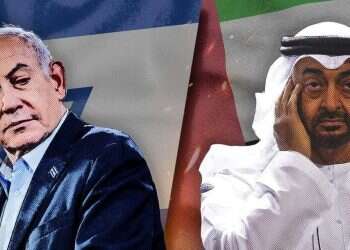
According to the Associated Press, the prime minister asked the UAE president to publicly deny a report that he had spoken with and warned Netanyahu before the Oct. 7 attack. It remains unclear whether the Emirati leader agreed to the request.
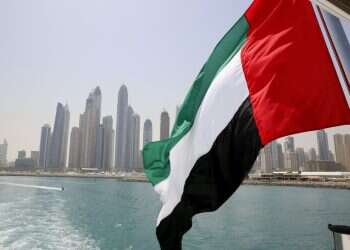
The Mossad director and national security adviser accompanied the prime minister on lightning trip to UAE, Israel Hayom has learned. The sides agreed to issue a joint statement after the delegation returned to Israel, but the visit was leaked beforehand. The Emiratis have yet to comment on the visit.
The prime minister flew to the UAE on Sunday morning and met with President Sheikh Mohamed bin Zayed Al Nahyan, according to Channel 12 report. The meeting was held in Abu Dhabi, where Netanyahu spent the day.
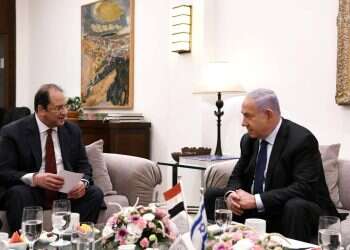
Nataliya Apostolova, the diplomat who has headed EUBAM Rafah since November 2023, is stepping down amid a new reality on the Gaza border. In a farewell interview with Israel Hayom, she says the European mission’s mandate has not changed, stresses that Palestinian personnel carry out the security checks and screening under EU supervision, and notes: “There have been no security incidents since February.”
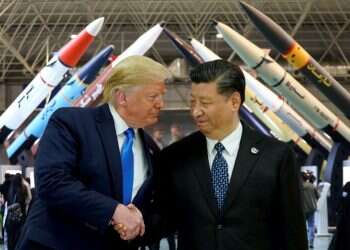
As the US president prepares grand welcome for Chinese leader Xi Jinping's 3-day tour – planning to personally greet him on the tarmac at Joint Base Andrews – Fox News says the "top ask" is that China cease providing information that allows Iran to target America's interests and allies. China may demand Taiwan concessions.
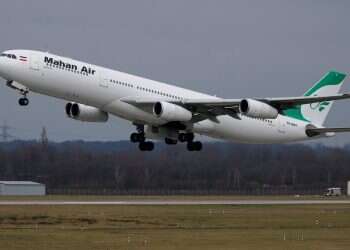
Airlines cancel global routes following strict American economic measures as Beijing continues to defy US isolation efforts just hours before Xi-Trump meeting. China routes appear to be unaffected as Mahan Air jet traveling from the Iranian capital successfully touches down in the Chinese city of Guangzhou.
The Syrian president said American-mediated contacts with Israel have continued for about a year, with understandings reached on most issues, even as he rejected linking Syria policy to October 7.
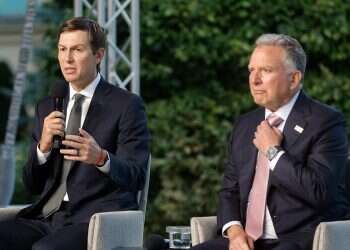
A three-hour meeting was held between Trump administration officials, including Steve Witkoff and Jared Kushner, and a delegation from Tehran on the sidelines of the UN General Assembly in New York. US sources said the meeting had been planned in advance and focused on the conditions for renewing negotiations, foremost among them reopening the Strait of Hormuz.