Israel Hayom is a media organization founded on the belief that the Israeli public deserves better journalism—more balanced, more accurate, and more reliable. Journalism that speaks rather than shouts. Journalism that is trustworthy, objective, and matter-of-fact. A different kind of journalism, offered free of charge.
The first print edition was published on July 30, 2007, and in 2010 Israel Hayom became the Israeli newspaper with the highest weekday readership. The newspaper’s publisher is Dr. Miriam Adelson. Its Editor-in-Chief is Omar Lachmanovitch, and its founding editor is Amos Regev.
Israel Hayom’s Hebrew and English websites, as well as its Android and iOS applications, provide around-the-clock news coverage, exclusive content, breaking news and updates, analysis and commentary, video, podcasts, and live broadcasts.
The digital platforms of Israel Hayom include news and opinion channels covering culture and entertainment, lifestyle, technology, sports, business and consumer affairs, health, military affairs, food, Judaism, tourism, and automobiles.
In 2021, a new Hebrew-language website and mobile application were launched to provide users with a fast, up-to-date, secure, and convenient experience.
The content of the newspaper’s print edition is also available online through a daily digital edition and can be received via newsletter.
“The Israel Hayom Clique,” the publication’s exclusive benefits club, offers website users discounts and special promotions on products and services.
Israel Hayom welcomes feedback, criticism, and suggestions for improvement from its readers. You can contact the organization by email at hayom@israelhayom.co.il
Significantly damaging the program would require destroying or removing enriched uranium stockpile. International Atomic Energy Agency: Existing stockpile could be enough for up to 10 bombs.
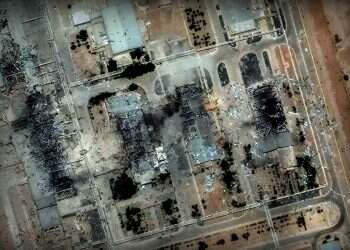
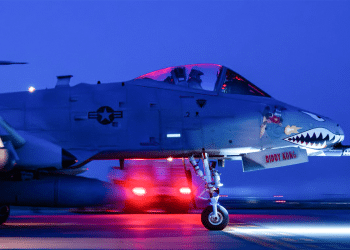
The US and Israel are weighing a military response against missile launchers and energy facilities in Iran following the attack on the UAE. As CENTCOM reports the sinking of Iranian attack boats, the Israeli Air Force has returned to its highest state of readiness. Despite reports that Iron Dome was involved in interceptions in the Gulf, Israel remains tense, and wating.
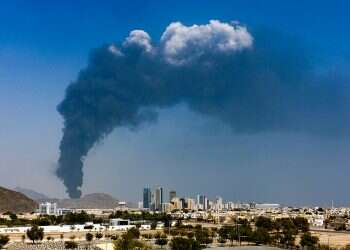
Abu Dhabi says three missiles were intercepted by air defense systems and another fell into the sea.Authorities issued a warning of a missile attack and later released an all-clear announcement. Local residents reported explosions in the Jebel Ali area of Dubai.
Iran said it fired missiles at a US ship and hit it, but officials later corrected the statement and said it was unclear whether any hit had been recorded. The US Navy began escorting ships through the waterway after Trump announced a special humanitarian operation.
US military to launch “Project Freedom” in the to escort vessels trapped in the Persian Gulf during the war out of the Strait of Hormuz. “For the good of Iran, the Middle East, and the United States, we have told these Countries that we will guide their Ships safely out of these restricted Waterways,” Trump wrote.
Iran’s draft plan, reported by Al Jazeera, includes reopening the Strait of Hormuz, freezing uranium enrichment for up to 15 years and launching a regional security dialogue in exchange for sanctions relief and an end to the blockade.
Trump has notified Congress that hostilities have ended, but diplomatic officials tell Israel Hayom that the naval blockade on oil exports will continue for months. While Washington is betting on the regime’s internal collapse, Tehran refuses to budge on the nuclear issue and will have to contend with a failing currency and oil wells being shut down.
The US naval blockade imposed on Iran’s ports over the past 20 days has cost the regime $4.8 billion in lost oil revenue, according to Axios. Bloomberg: Tehran is proactively cutting oil production. The solution? old tankers for offshore oil storage.
Iran’s largest cryptocurrency exchange is being used by both civilians and the regime to bypass Western sanctions. Its founders, brothers Ali and Mohammad, concealed their surname, Kharrazi, a dynasty that has been close to the supreme leader’s office throughout the Islamic Republic’s existence. The exchange has been targeted by hackers and used by the Islamic Revolutionary Guard Corps, but has so far escaped sanctions
The debate in the US is whether to continue relying on economic pressure alone, or to add a focused strike to push Iran into agreeing to at least some of the American terms. In Iran, the economic pressure is mounting: long lines, inflation, and salaries being paid only to Islamic Revolutionary Guard Corps personnel.