

Gulf states warned of possible short, intense Iran strikes after midterms
Mediators have had poor success reviving talks as Tehran sets tough demands and Washington insists on discussing its nuclear program.

Mediators have had poor success reviving talks as Tehran sets tough demands and Washington insists on discussing its nuclear program.
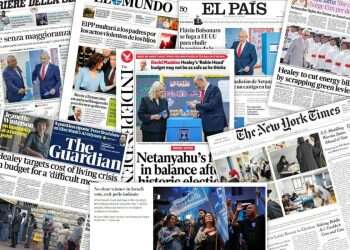

International news networks point to a fractured political landscape after vote, noting historic Arab voter turnout and key economic stakes.

Election results point to a complex political deadlock: Likud made a last-minute comeback, but neither bloc can form a government without the Arab parties, which made unprecedented gains amid high voter turnout. As political leaders weigh legislation to sideline Netanyahu and a possible power-sharing deal, the race to form Israel's next government remains wide open.
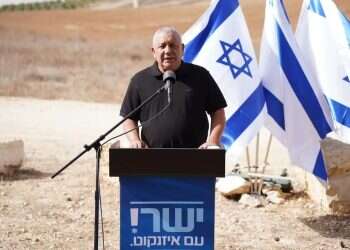
Arab voters turned out in force, determined to have a say in government, but their parties' gains have left Eisenkot increasingly dependent on the Joint List. Meanwhile, Iran is rebuilding its military capabilities, and critical security decisions cannot wait for coalition negotiations, as Washington favors a broad government without extremist elements.

Gadi Eisenkot, Naftali Bennett, Avigdor Liberman and their allies have already drawn up a plan to take control of the Knesset. If implemented, the first step would be to oust Speaker Amir Ohana. The move could then pose a serious threat to Prime Minister Benjamin Netanyahu.
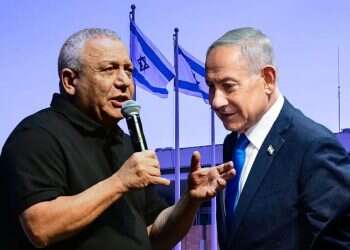
Polls have closed and Israeli television networks have released their exit polls for the 26th Knesset election. How do the rival political blocs stack up, how many seats has each party won, and who could form the next government?

As of 8 p.m., voter turnout stood at 74.3%, according to the Central Elections Committee, compared with 66.3% at the same hour in the 2022 election for the 25th Knesset.

Brazil’s senator reportedly left for the US after losing Sunday’s election, with a Supreme Court order to surrender his passports unmet, two sources told Reuters.
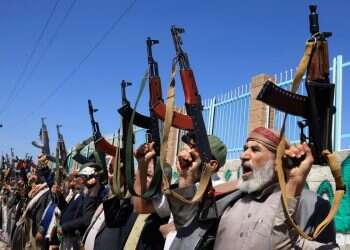
Yemen’s Iran-backed rebels lash out at Cairo as Saudi Arabia intercepts a wave of missiles and drones, and the war’s toll on Yemeni civilians keeps climbing.
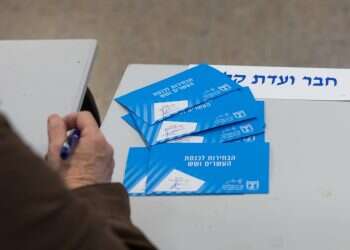
A single folded slip of paper, sealed in an envelope, is about to decide who holds power in Israel for years to come. Here’s the math behind it.