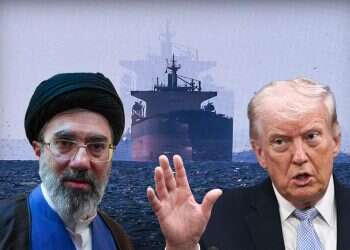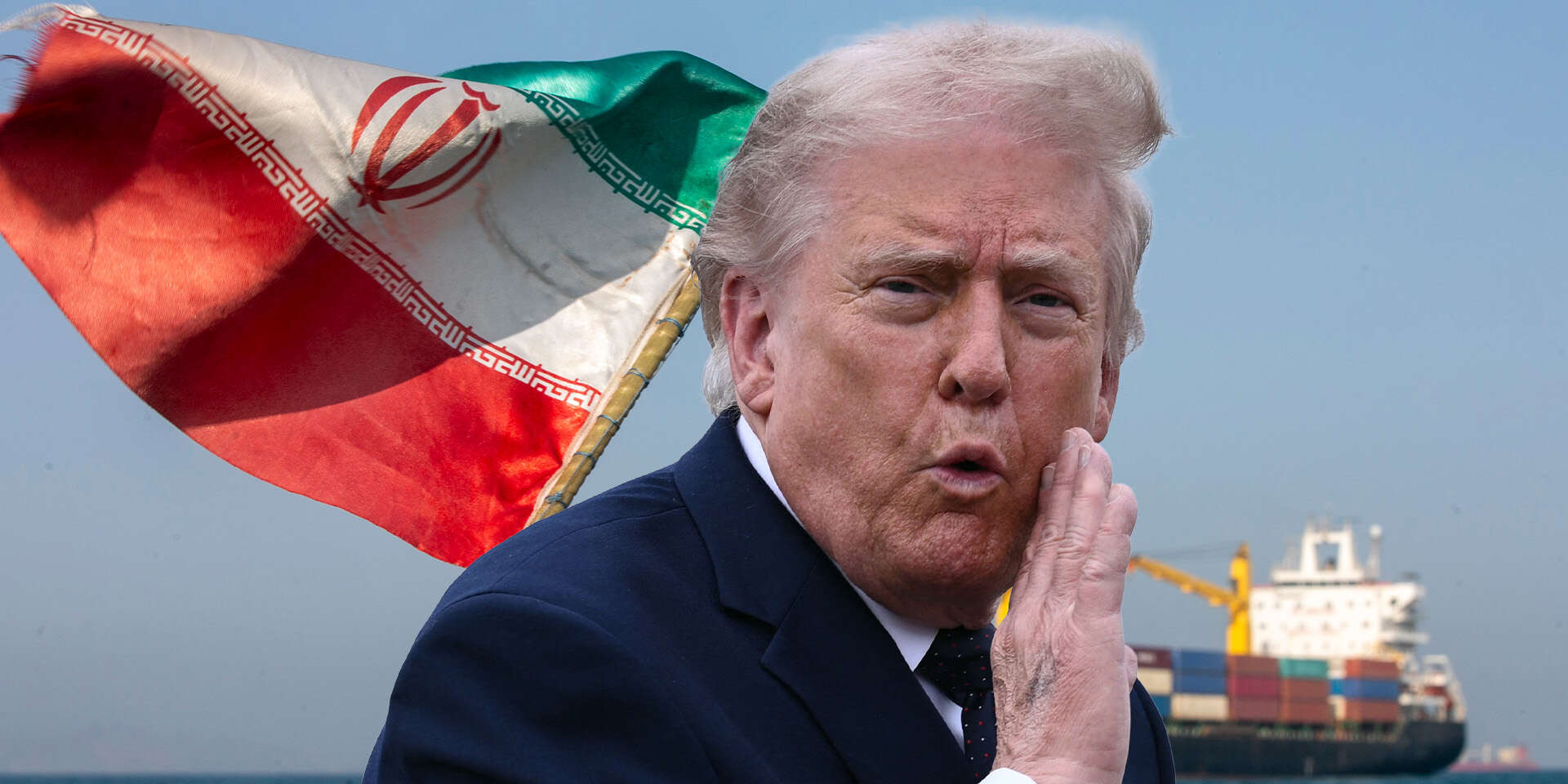
US President Donald Trump addressed the ungoing talks with Iran on Sunday, saying in a social media post that "the talks are being conducted in an orderly and constructive manner, and I have informed my representatives not to rush into a deal in that time is on our side." Trump made clear that the American naval blockade on Iran's ports will "remain in full force" until an agreement is reached, and reiterated his demand that Iran "develop or procure a nuclear weapon or bomb."
The US president attacked the nuclear deal signed under President Barack Obama as "one of the worst deals ever made by our country" and as a "direct path to Iran developing a nuclear weapon," claiming that the agreement now taking shape is "the exact the opposite." He thanked countries in the region for their support of the efforts and added: "Who knows, perhaps Iran would like to join the Abraham Accords."
In the full post he published, Trump said the previous deal had been signed by "Barack Hussein Obama and the rank amateurs of the Obama Administration," and stressed that in the current deal being advanced by his administration, "there can be no mistakes" and that the blockade would remain in force "until an agreement is reached, certified, and signed." He added that both sides should take the time needed to do this properly, and said relations with Iran were becoming "far more professional and productive."
Draft agreement towards a ceasefire
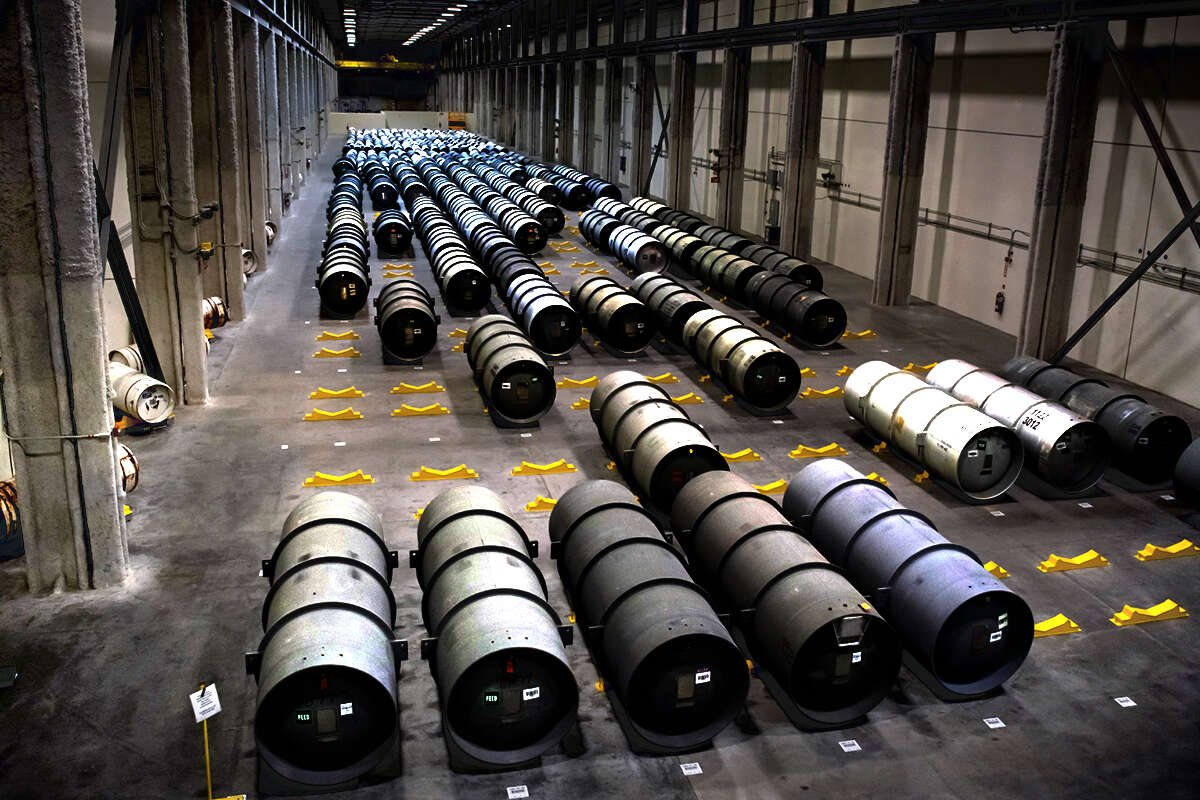
President Trump's statements come after details were revealed of the draft agreement currently on the table. According to two diplomatic sources, the emerging draft includes a basic Iranian commitment to refrain from reaching a nuclear bomb, alongside agreement to a long-term postponement of its uranium enrichment project. The other complex issues, including the fate of the uranium already enriched and held by Iran, are expected to be discussed as part of broader negotiations slated to open during the ceasefire.
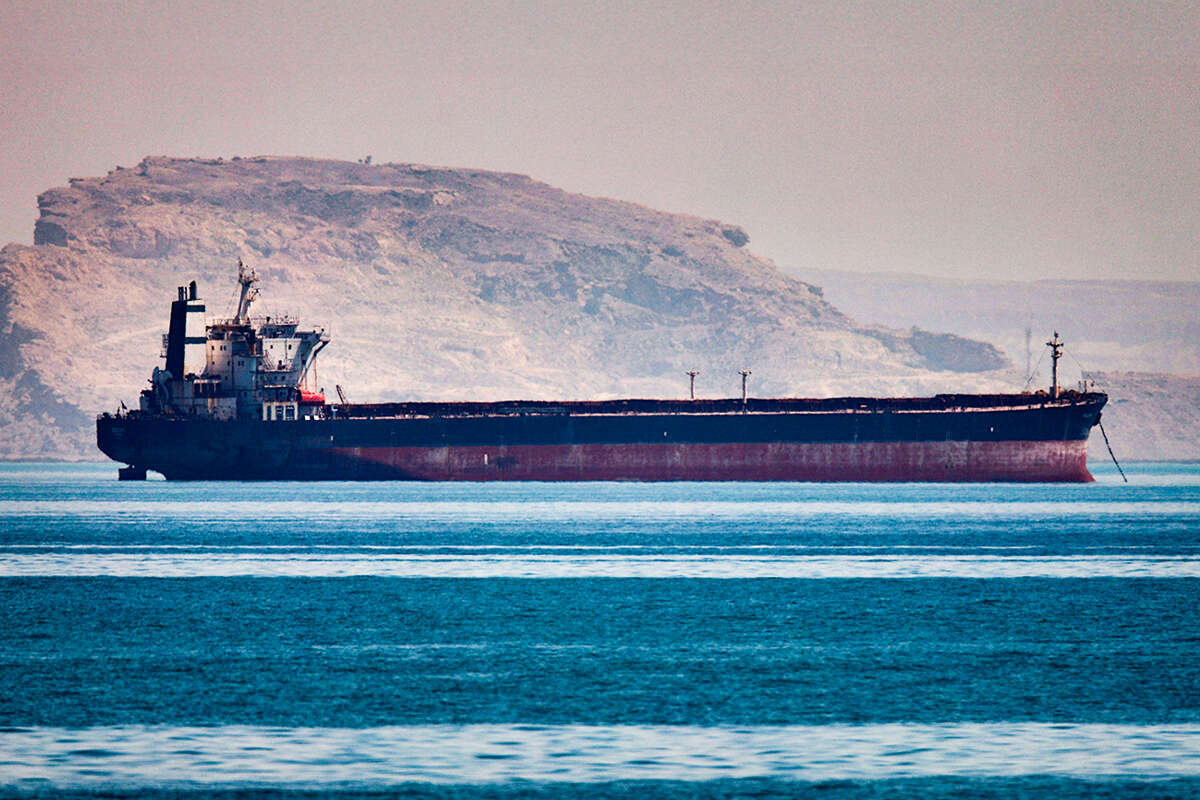
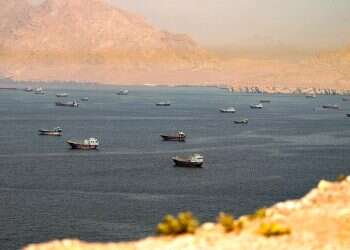
Under the emerging framework, the draft refers to a ceasefire during which the Strait of Hormuz would be opened fully and freely to maritime traffic, with the diplomatic negotiations due to begin only after it is reopened. However, it is difficult to see a situation in which the Iranians reopen the Strait of Hormuz while the American naval blockade on their ports remains fully in force, as Trump is demanding. In addition, a diplomatic source said Iran's political echelon had made clear that its previous commitment to hand over the enriched uranium, a move opposed by commanders of the Islamic Revolutionary Guard Corps, remained pending final approval from Supreme Leader Ali Khamenei.