Sunday May 24, 2026
NEWSLETTER
www.israelhayom.com
  • Home
  • News
    • Israel
    • Israel at War
    • Middle East
    • United States
  • Opinions
  • Jewish World
    • Archaeology
    • Antisemitism
  • Lifestyle
    • Food
    • Travel
    • Fashion
    • Culture
  • Magazine
    • Feature
    • Analysis
    • Explainer
  • In Memoriam
www.israelhayom.com
  • Home
  • News
    • Israel
    • Israel at War
    • Middle East
    • United States
  • Opinions
  • Jewish World
    • Archaeology
    • Antisemitism
  • Lifestyle
    • Food
    • Travel
    • Fashion
    • Culture
  • Magazine
    • Feature
    • Analysis
    • Explainer
  • In Memoriam
www.israelhayom.com
Home Explainer

What we know about the emerging US-Iran deal

Trump updated regional leaders that Iran has pledged to hand over its highly enriched uranium to the US and remove it from Iran. Israeli source says: "The significance of reaching an agreement under these terms is the start of the countdown to the next war. It may take a few years, but it will come."

by  Danny Zaken and Shachar Kleiman
Published on  05-24-2026 10:05
Last modified: 05-24-2026 10:50
What we know about the emerging US-Iran deal

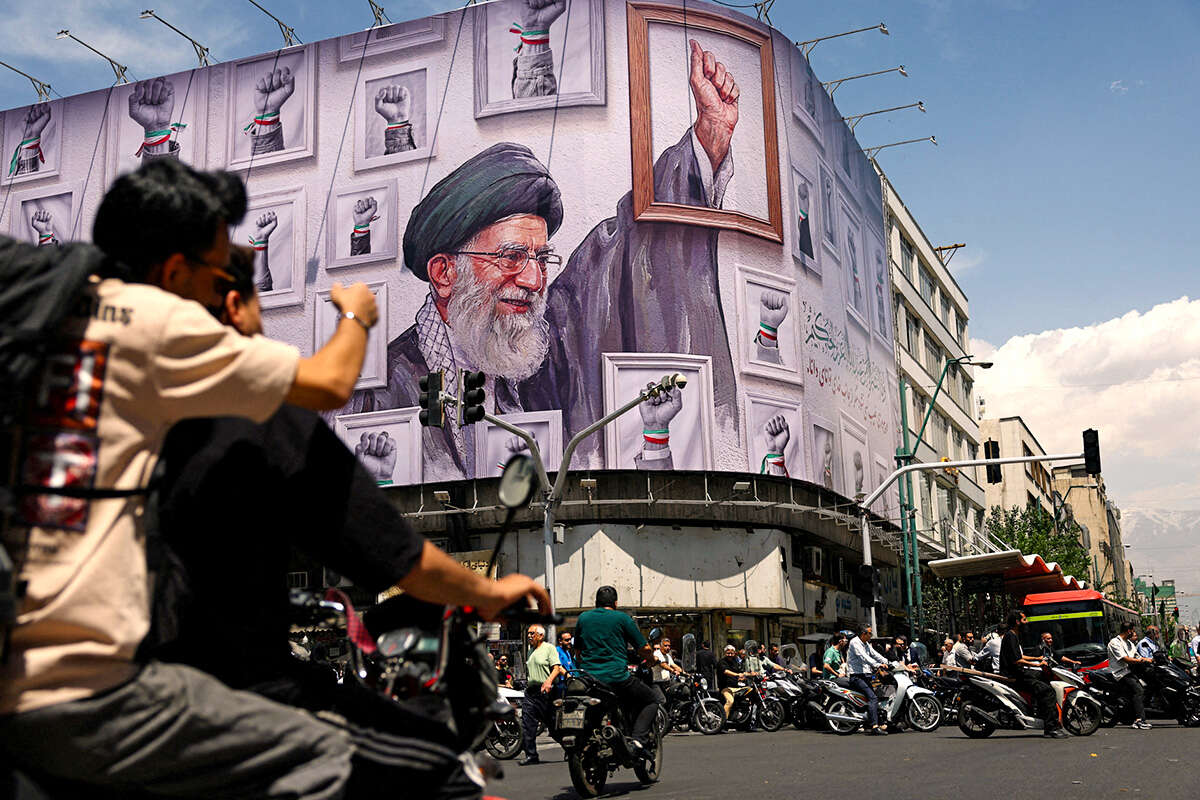
Tehran. Photo: Reuters

Share on FacebookShare on Twitter

As Washington and Tehran move closer to a deal that would end the fighting between the countries, conflicting reports paint a picture of a deal that Israeli officials say is "cause for concern" and could lead to another war with Iran in the long term.

According to a diplomatic source in the region who spoke with Israel Hayom, Trump informed the leaders of the Gulf states and Prime Minister Benjamin Netanyahu that Iran had agreed in principle to hand over the enriched uranium in its possession, and that this would happen at the final stage of the negotiations. In addition, Iran agreed to a ban on enrichment for an extended period and to international oversight. Trump promised that US forces would remain in the region "for as long as necessary."

An Israeli source familiar with the matter told Israel Hayom that there were serious concerns about the deal on the table, which is essentially a basic framework for negotiations but in practice ends the war and eliminates the possibility of resuming strikes. The Gulf states that were harmed were a key source of pressure on the US to pursue a diplomatic path. The United Arab Emirates also joined this effort and changed its position, but with its own emphases and a demand that the full agreement completely remove the military threat to the Gulf states and the Strait of Hormuz.

Trump and a stockpile of enriched uranium. Photo: Getty Images, AP

According to the source, the test of the final outcome will be the entire nuclear project: the removal of all enriched uranium, strict oversight and a ban on enrichment. Beyond that, he said, there is concern that the unfreezing of funds and the lifting of sanctions will help the regime recover and push further away the possibility of bringing it down. Regarding the related issues, the missile project and the terrorist organizations supported by Iran, the source said they had not been taken off the table entirely, but it appears Israel will have to make do with the kinetic achievements and the severe blow suffered by the Iranians and Hezbollah.

"The significance of reaching an agreement under these terms is the start of the countdown to the next war. It may take a few years, but it will come. This goal of completely removing the Iranian threat has not been achieved, even if the severe blow against it weakened it. And that is bad news," the source told Israel Hayom.

Conflicting reports

Iran's Tasnim News Agency published initial details of the emerging agreement, some of which are disputed. According to the agency, Iran will retain control of the Strait of Hormuz but will allow passage for all vessels from all countries. It was also claimed, contrary to reports from the US, that Iran would not hand over the enriched uranium in its possession to any outside party.

According to Axios, during the 60-day period, the Strait of Hormuz will be open without the collection of fees, and Iran will agree to remove the mines it laid in the strait to allow ships to pass freely.

In return, the US will lift the blockade on Iran's ports and issue several sanctions waivers to allow Iran to sell oil freely.
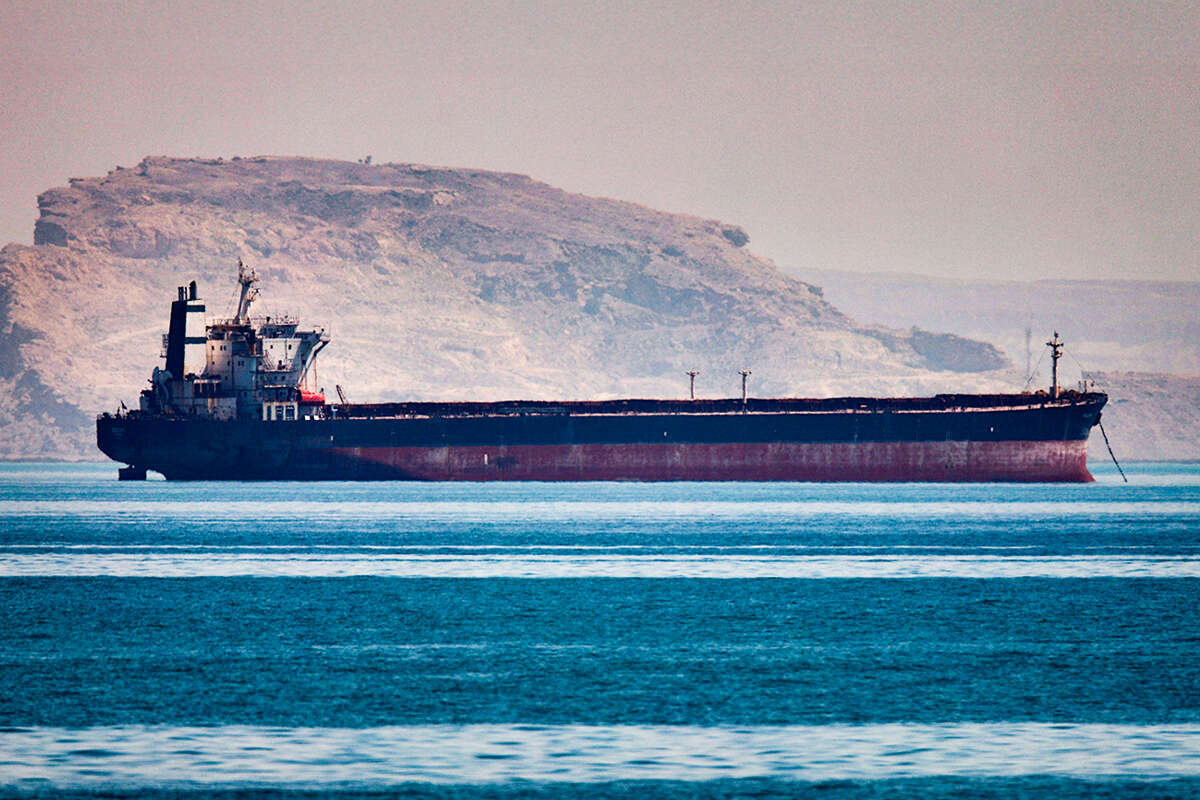
An oil tanker in the Strait of Hormuz. Photo: AP

A US official acknowledged that this would be an advantage for Iran's economy, but said it would also provide significant relief to the global oil market. The official said that the faster the Iranians cleared the mines and allowed shipping routes to resume operations, the faster the blockade would be lifted.

It was further claimed that Trump's central principle in the agreement is "relief in exchange for implementation." Iran wanted funds to be unfrozen immediately and permanent sanctions relief, but the American side said that would happen only after tangible concessions, according to the official.

Tags: IranIran nuclear talksUS

Related Posts

IDF reveals Iran's plan for Passover never fully materialized

These are Iran's tentacle arms across the Gulf

by Shachar Kleiman

The Islamic Republic recruits Shiite Muslims who identify with its revolutionary ideology and attacks nations across the Gulf in every...

Why does everyone want to be Syria's ally?

Why the UAE denied reports of Netanyahu's visit

by Shachar Kleiman

Security sensitivities, aversion to leaks and regional balancing acts: How a report on the prime minister’s visit during Operation Roaring...

Phase two of Trump's Gaza plan begins

Time is working against Hamas

by Shachar Kleiman

Internal power struggles, mounting pressure from Gaza’s public and frustration over conditions in the Strip are shaking the terrorist organization’s...

Menu

Analysis 

Archaeology

Blogpost

Business & Finance

Culture

Exclusive

Explainer

Environment


Features

Health

In Brief

Jewish World

Judea and Samaria

Lifestyle

Cyber & Internet

Sports


Diplomacy 

Iran & The Gulf

Gaza Strip

Politics

Shopping

Terms of use

Privacy Policy

Submissions

Contact Us

About Us

The first issue of Israel Hayom appeared on July 30, 2007. Israel Hayom was founded on the belief that the Israeli public deserves better, more balanced and more accurate journalism. Journalism that speaks, not shouts. Journalism of a different kind. And free of charge.

All rights reserved to Israel Hayom

Hosted by sPD.co.il

  • Home
  • News
    • Israel at War
    • Israel
    • United States
    • Middle East
    • Sports
  • Opinions
  • Jewish World
    • Archaeology
    • Antisemitism
  • Lifestyle
    • Food
    • Travel
    • Fashion
    • Culture
  • Magazine
    • Feature
    • Analysis
    • Explainer
    • Environment & Wildlife
    • Health & Wellness
  • In Memoriam
  • Subscribe to Newsletter
  • Submit your opinion
  • Terms and conditions

All rights reserved to Israel Hayom

Hosted by sPD.co.il

Newsletter

[contact-form-7 id=”508379″ html_id=”isrh_form_Newsletter_en” title=”newsletter_subscribe”]

  • Home
  • News
    • Israel at War
    • Israel
    • United States
    • Middle East
    • Sports
  • Opinions
  • Jewish World
    • Archaeology
    • Antisemitism
  • Lifestyle
    • Food
    • Travel
    • Fashion
    • Culture
  • Magazine
    • Feature
    • Analysis
    • Explainer
    • Environment & Wildlife
    • Health & Wellness
  • In Memoriam
  • Subscribe to Newsletter
  • Submit your opinion
  • Terms and conditions

All rights reserved to Israel Hayom

Hosted by sPD.co.il