After a senior Iranian official claimed that Washington had backed away from two key mutual understandings reached in the talks, US Secretary of State Marco Rubio said of the emerging deal with Iran, "We'll either reach a good deal or handle it differently." He added, "Diplomacy will get every chance to succeed before alternatives are considered."
The Iranian official also said Tehran had informed mediators that it would not sign the agreement in its current form, and that Iran viewed the US as having retreated from understandings already reached between the sides.
"A good deal"
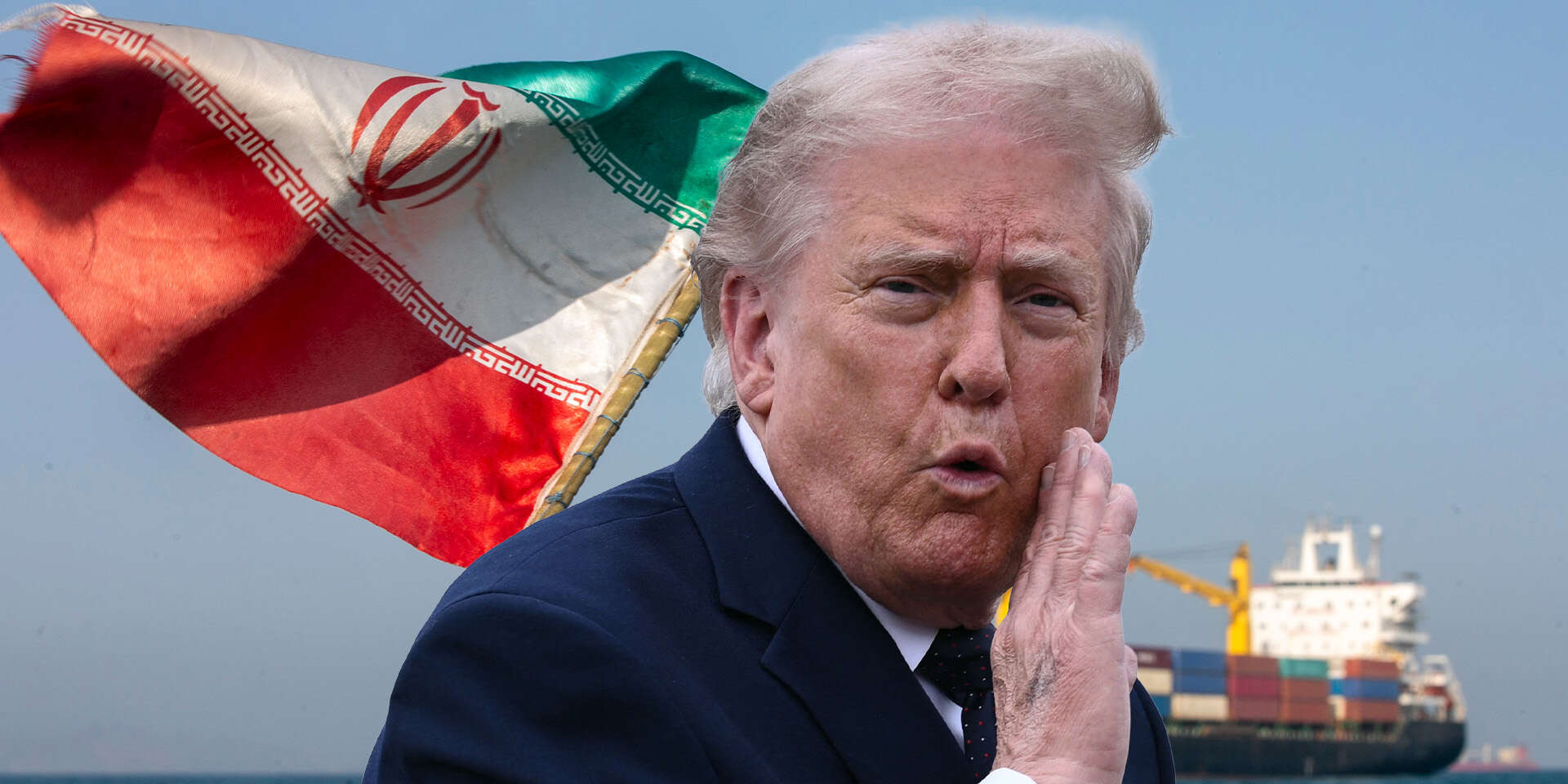
The senior Iranian source's comments about releasing frozen Iranian assets echo a post Sunday night by US President Donald Trump, who wrote, "If I make a deal with Iran, it will be a good deal," unlike the deal reached by President Barack Obama, which he said gave Iran "massive amounts of cash" and a "direct path" to obtaining nuclear weapons.
Iranian sources told Reuters that workable formulas could be found in later stages to resolve the dispute over Iran's stockpile of highly enriched uranium, including by diluting the material under the supervision of the UN's International Atomic Energy Agency.
Limited access
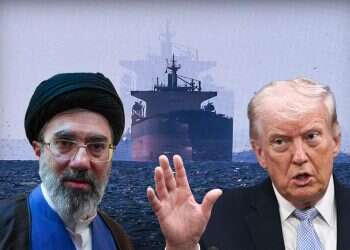
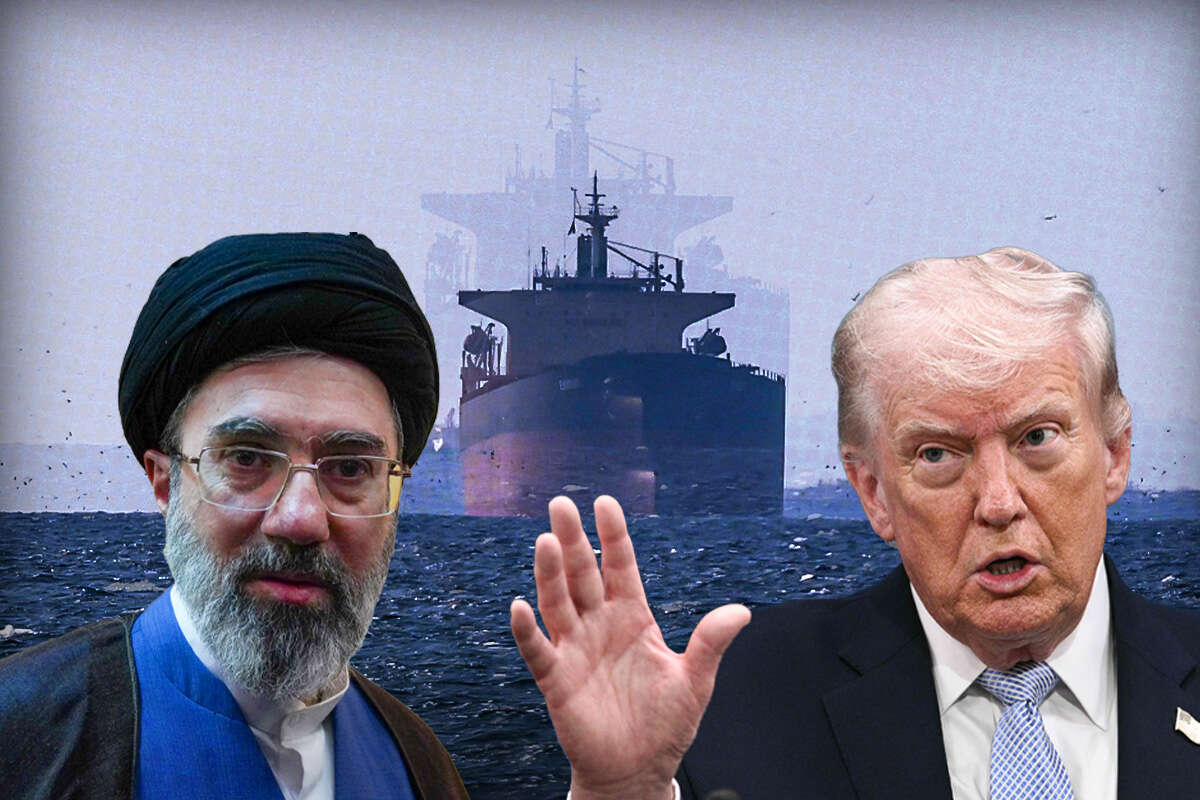
US officials familiar with the matter told CBS that, according to intelligence assessments, Iran's supreme leader, Mojtaba Khamenei, is effectively staying at an unknown location with very limited access to the outside world, and that communication with him takes place only through a complex network of couriers.
According to the report, Iranian officials authorized to work with the Trump administration are struggling to communicate even within their own government system. This is one of the main reasons the details of a possible agreement with Iran, as well as previous agreements, face lengthy delays before being finalized.
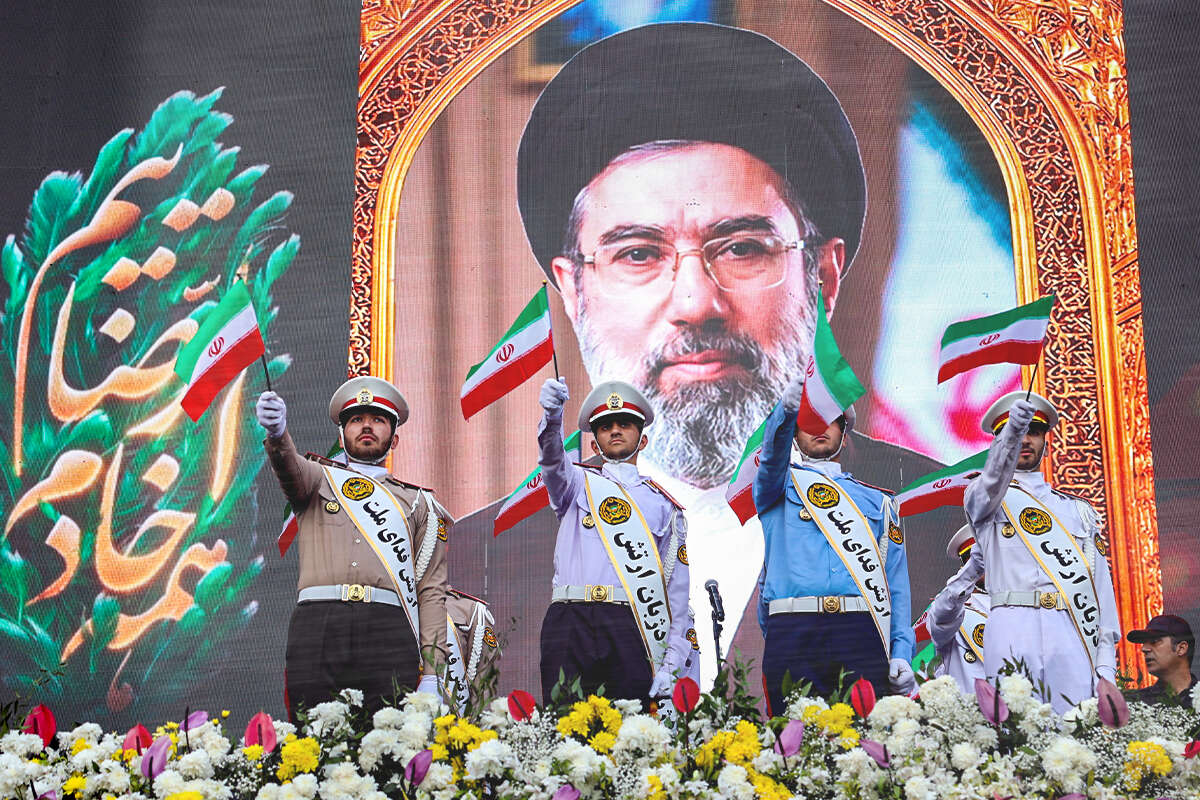
Under the operating method that has been established, even the most senior officials in the Iranian government do not know where he is and have no way to contact him directly.
Two US officials said that when the US transmits proposals or details of an agreement, the difficulty of reaching the supreme leader causes prolonged delays before Washington receives a response from Tehran.