Israel Hayom is a media organization founded on the belief that the Israeli public deserves better journalism—more balanced, more accurate, and more reliable. Journalism that speaks rather than shouts. Journalism that is trustworthy, objective, and matter-of-fact. A different kind of journalism, offered free of charge.
The first print edition was published on July 30, 2007, and in 2010 Israel Hayom became the Israeli newspaper with the highest weekday readership. The newspaper’s publisher is Dr. Miriam Adelson. Its Editor-in-Chief is Omar Lachmanovitch, and its founding editor is Amos Regev.
Israel Hayom’s Hebrew and English websites, as well as its Android and iOS applications, provide around-the-clock news coverage, exclusive content, breaking news and updates, analysis and commentary, video, podcasts, and live broadcasts.
The digital platforms of Israel Hayom include news and opinion channels covering culture and entertainment, lifestyle, technology, sports, business and consumer affairs, health, military affairs, food, Judaism, tourism, and automobiles.
In 2021, a new Hebrew-language website and mobile application were launched to provide users with a fast, up-to-date, secure, and convenient experience.
The content of the newspaper’s print edition is also available online through a daily digital edition and can be received via newsletter.
“The Israel Hayom Clique,” the publication’s exclusive benefits club, offers website users discounts and special promotions on products and services.
Israel Hayom welcomes feedback, criticism, and suggestions for improvement from its readers. You can contact the organization by email at hayom@israelhayom.co.il
Taiwanese defense officials told Reuters that China was "using law enforcement and scientific research as cover for harassment, seeking to expand their scope of operations during a non-conflict scenario to create an illusion of de facto jurisdiction."
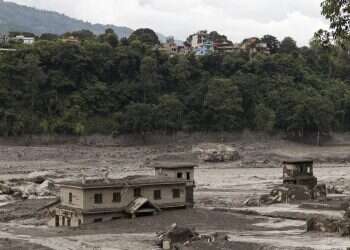
Officials warn death toll may climb as mudslides and flooding destroy homes, bridges and hydropower sites. Nepal is a beloved and popular destination for Israelis, a fact that raises concern regarding Israeli tourists currently in the area.
Authorities in the South Korean capital deploy a fleet of 200 trucks to cool roads across the vast metropolis after record temperatures are recorded. At least 16 people die from heat-related causes.
The typhoon made landfall in Guangdong province, bringing strong winds and heavy rain. Authorities issued the highest flash-flood alert in several provinces.
A fire broke out at a shoe factory in the city of Jinjiang in Fujian province. Footage aired by state television showed people trapped on the roof of the multistory building as thick black smoke billowed into the sky. President Xi Jinping ordered authorities to "make every effort to carry out rescue operations, determine the cause of the accident and severely punish those responsible."
Japan’s defense minister rejected Beijing’s claims about Tokyo’s military buildup, and addressed his Chinese counterpart’s absence from Asia’s security summit: “Since World War II, we have upheld international law.” China’s defense minister boycotted the Singapore conference for the second year in a row.
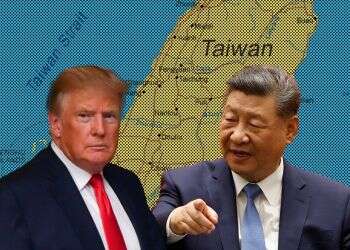
After the Beijing summit, US President Donald Trump’s advisers fear China could invade Taiwan within the next five years. There are also concerns over what such a move would mean for US access to the island’s advanced chip industry.
Ronald "Bato" dela Rosa, the former police chief facing crimes against humanity charges, defied arrest and called on Filipinos to rally to his defense.
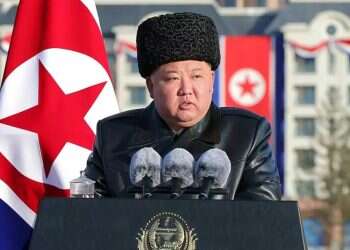
Following the elimination of Ali Khamenei in Tehran, Pyongyang toughens its stance and enshrines a “mutual destruction” mechanism in law. The new amendment stipulates that the military must immediately launch nuclear weapons if the supreme command is neutralized. At the same time, Kim Jong Un has ordered the deployment of advanced artillery that directly threatens Seoul.
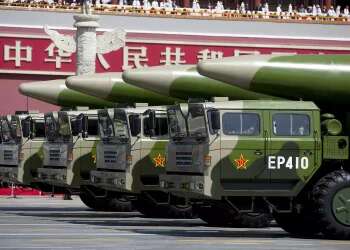
A Chinese military court sentenced two former defense ministers to death for corruption, with a two-year reprieve after which the sentence will be commuted to life in prison. The convictions come amid an unprecedented wave of purges in the upper ranks of the Chinese military led by President Xi Jinping, which has already resulted in the removal of more than 100 senior officers.