Where did Iran's enriched uranium go?
Iran’s extensive knowledge makes rebuilding the program or advancing toward weapons-grade enrichment (90%) a feasible step for Tehran’s leadership, despite the heavy damage to the nuclear program.

Iran’s extensive knowledge makes rebuilding the program or advancing toward weapons-grade enrichment (90%) a feasible step for Tehran’s leadership, despite the heavy damage to the nuclear program.
In the Middle East there is no place for two states, Islamic Iran and the State of Israel. If Israel desires life it must aspire to overthrow the regime.
In early January, after meetings at the Prime Minister's Office's 8th floor and at the Kirya in Tel Aviv, it was clear: Israel had crossed the Rubicon; there was no way back. Meticulous planning, and a masterful deception campaign aided by the US, fooled Iran into thinking it was safe.
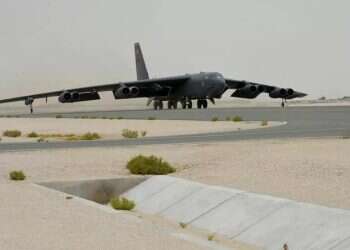
The world is tensely awaiting Iran's response to the American strike on its nuclear facilities. The Islamic Republic has a wide array of American targets within its reach, but a closer look reveals that none of them comes without a cost.
The International Atomic Energy Agency assessed that the centrifuges at the Natanz nuclear facility were already out of operation before the US bombing. According to three senior Iranian officials, the attack occurred at 2:30 a.m. local time. The most complex target was Isfahan, where uranium was being processed into weapons-grade material. It remains unclear whether Iran managed to move the nuclear fuel from the site before the strike.