

Wanted: New blood in Israeli politics
Israel needs an infusion of unpolluted leaders. The cynicism and divisiveness of Avigdor Liberman, Aryeh Deri, and Yair Golan must be ruled out.
Israel Hayom is a media organization founded on the belief that the Israeli public deserves better journalism—more balanced, more accurate, and more reliable. Journalism that speaks rather than shouts. Journalism that is trustworthy, objective, and matter-of-fact. A different kind of journalism, offered free of charge. The first print edition was published on July 30, 2007, and in 2010 Israel Hayom became the Israeli newspaper with the highest weekday readership. The newspaper’s publisher is Dr. Miriam Adelson. Its Editor-in-Chief is Omar Lachmanovitch, and its founding editor is Amos Regev. Israel Hayom’s Hebrew and English websites, as well as its Android and iOS applications, provide around-the-clock news coverage, exclusive content, breaking news and updates, analysis and commentary, video, podcasts, and live broadcasts. The digital platforms of Israel Hayom include news and opinion channels covering culture and entertainment, lifestyle, technology, sports, business and consumer affairs, health, military affairs, food, Judaism, tourism, and automobiles. In 2021, a new Hebrew-language website and mobile application were launched to provide users with a fast, up-to-date, secure, and convenient experience. The content of the newspaper’s print edition is also available online through a daily digital edition and can be received via newsletter. “The Israel Hayom Clique,” the publication’s exclusive benefits club, offers website users discounts and special promotions on products and services. Israel Hayom welcomes feedback, criticism, and suggestions for improvement from its readers. You can contact the organization by email at hayom@israelhayom.co.il

Israel needs an infusion of unpolluted leaders. The cynicism and divisiveness of Avigdor Liberman, Aryeh Deri, and Yair Golan must be ruled out.

The successful rapper used the massive stage to rail against Israel, displaying prominent symbols and making statements that left Israeli and Jewish concertgoers stunned.
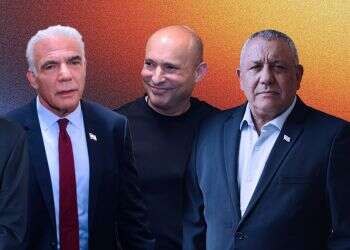
While everyone is focused on Winter’s solo run on the Right, it is worth turning attention to the tectonic shifts taking place in the rival bloc. Ben-Gvir made a rare mistake that is already beginning to show up in the polls. And: The chances Trump will help Netanyahu with a last-minute October surprise.

At a Rosh Hashanah toast, the prime minister openly declared for the first time the central objective of the ongoing, multifront campaign in the Gulf: "The regime is weaker than ever and fighting for its life. The mission is within reach," he said. Meanwhile, Jerusalem and Washington assess that panic may be spreading through the upper ranks of the Revolutionary Guards.
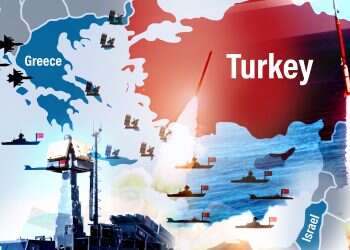
After massive deal, Greece prepares for a new era in its rivalry with Turkey, placing Israel at the heart of its military buildup. The deal with Israel aims to close gaps in the air, on land and at sea and create a multilayered defense network.