Toppling the regime is becoming a declared objective: The goal of the war against Iran that officials had until now been reluctant to state publicly is finally out in the open, and it was unveiled before Israel's most senior military forum.
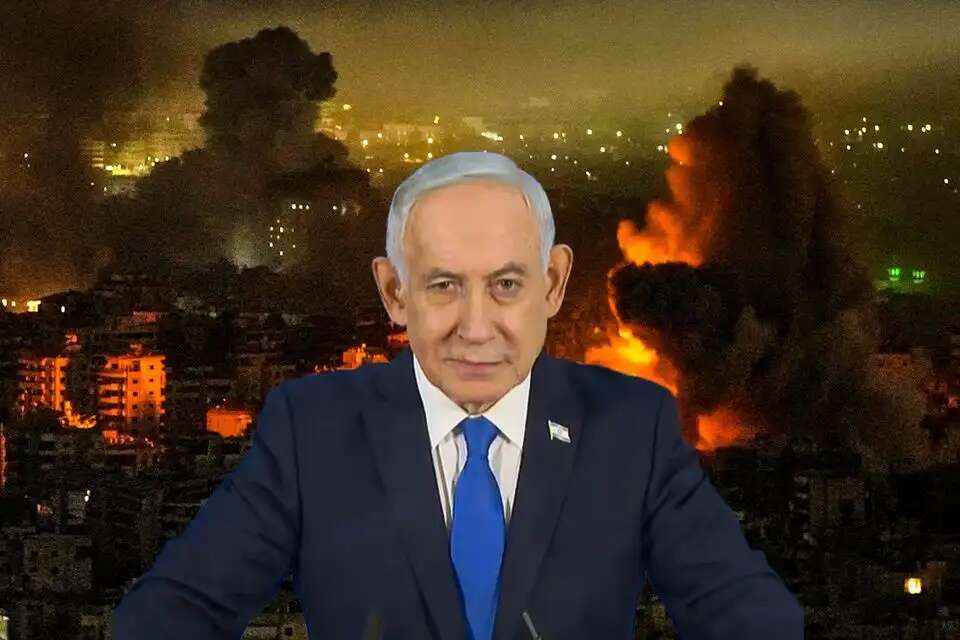
At a Rosh Hashanah toast with members of the Israel Defense Forces General Staff Forum on Thursday , Prime Minister Benjamin Netanyahu explicitly said that his objective was "to topple the regime in Iran, which is now fighting for its life."
"I say to our enemies: Don't mess with us," Netanyahu said at the event, attended by IDF Chief of Staff Lt. Gen. Eyal Zamir and Defense Minister Israel Katz. "We have the strength, the determination and the internal unity to defeat you."
"This regime is staggering right now. It is weaker than ever. It is fighting for its life," Netanyahu said. "I am confident that, in the main mission still before us, we have the ability, our heroic soldiers have the ability, our heroic pilots, our female pilots and navigators and our entire force have the ability, along with the home front and our strong people. I am confident in our ability to remove this threat once and for all. That means toppling this regime. That is the central mission still before us, but it is close. It is not impossible. It is within reach."
A shift in war aims
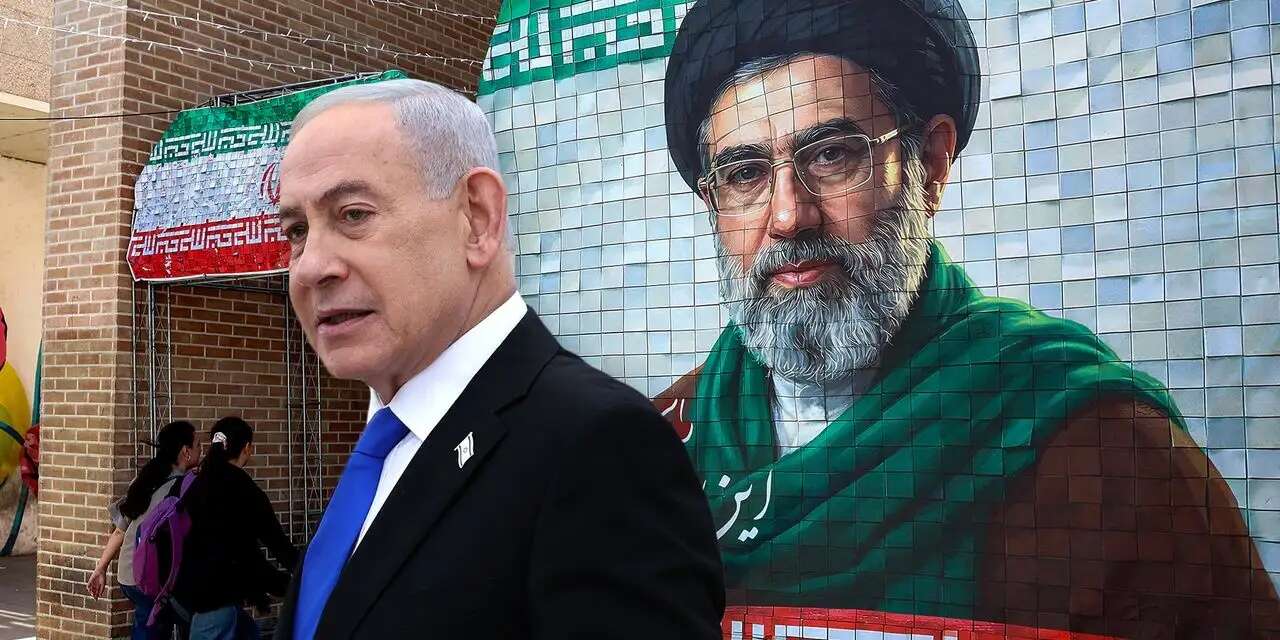
Netanyahu's remarks were not made in a vacuum. They followed intelligence, economic and diplomatic assessments in the US, Gulf states and Israel that the Iranian regime is facing an exceptionally severe crisis, both because of the military blows it has sustained and, above all, because of the effective economic blockade and the halt to Iranian oil exports.
As Israel Hayom has previously reported, those assessments have led to a shift in the aims of the war, particularly at the White House, toward bringing about the fall of the Iranian regime. Once that message reached Jerusalem from Washington, Israeli officials felt more comfortable taking the rhetoric a step further and making increasingly explicit statements.
According to these assessments, there is likely deep concern, verging on panic, over the consequences of Iran's economic situation, including reported reductions in salaries for members of the Basij militia and the Islamic Revolutionary Guard Corps. Such forces could find it increasingly difficult to confront broad economic protests.
At the same time, officials are concerned that a regime with its back against the wall could resort to every tool at its disposal, including attacks on strategic energy targets in the Gulf and in Israel.