Israel Hayom is a media organization founded on the belief that the Israeli public deserves better journalism—more balanced, more accurate, and more reliable. Journalism that speaks rather than shouts. Journalism that is trustworthy, objective, and matter-of-fact. A different kind of journalism, offered free of charge.
The first print edition was published on July 30, 2007, and in 2010 Israel Hayom became the Israeli newspaper with the highest weekday readership. The newspaper’s publisher is Dr. Miriam Adelson. Its Editor-in-Chief is Omar Lachmanovitch, and its founding editor is Amos Regev.
Israel Hayom’s Hebrew and English websites, as well as its Android and iOS applications, provide around-the-clock news coverage, exclusive content, breaking news and updates, analysis and commentary, video, podcasts, and live broadcasts.
The digital platforms of Israel Hayom include news and opinion channels covering culture and entertainment, lifestyle, technology, sports, business and consumer affairs, health, military affairs, food, Judaism, tourism, and automobiles.
In 2021, a new Hebrew-language website and mobile application were launched to provide users with a fast, up-to-date, secure, and convenient experience.
The content of the newspaper’s print edition is also available online through a daily digital edition and can be received via newsletter.
“The Israel Hayom Clique,” the publication’s exclusive benefits club, offers website users discounts and special promotions on products and services.
Israel Hayom welcomes feedback, criticism, and suggestions for improvement from its readers. You can contact the organization by email at hayom@israelhayom.co.il
For now, events in the Gulf are being treated as “foreign news,” with Israelis chiefly concerned about the impact on flights, but that appears likely to change soon. And there is no denying it: Something is amiss in relations with the White House.
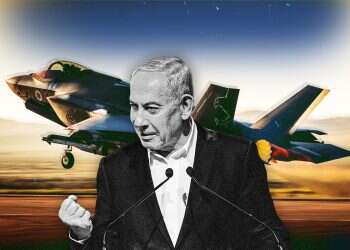
Israel’s security cabinet will convene Friday, reflecting the country’s heightened vigilance ahead of the United States’ next moves against Iran: “Trump will decide whether Israel enters the campaign, which could escalate at any moment.” Iran has also reportedly raised its alert level to the highest degree.
A new report raises questions about the tournament’s integrity and identifies seven matches in which significant betting irregularities were detected. Among the cases cited were the newly crowned champion’s 0-0 draw with Cape Verde and Folarin Balogun’s red card. Betting turnover during the World Cup was nearly double that recorded for the tournament in Qatar.
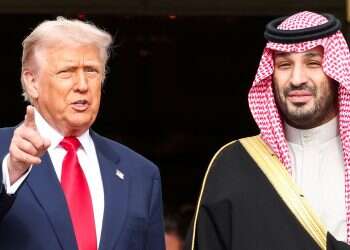
The deal, approved with Saudi Arabia on Wednesday concerning the kingdom’s civilian nuclear program, is expected to remain in effect for 30 years and involve US companies in developing the program.
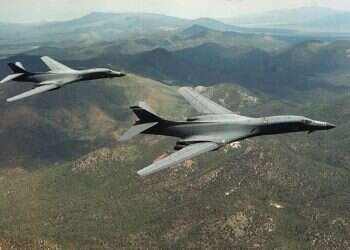
The B-1, the US Air Force’s heavy strategic bomber, has returned to action over Iran for the first time since the ceasefire took effect in early April. The aircraft, which entered operational service in the late 1980s, is used to strike fortified targets while flying at supersonic speeds. Is this a prelude to “opening the gates of hell”?