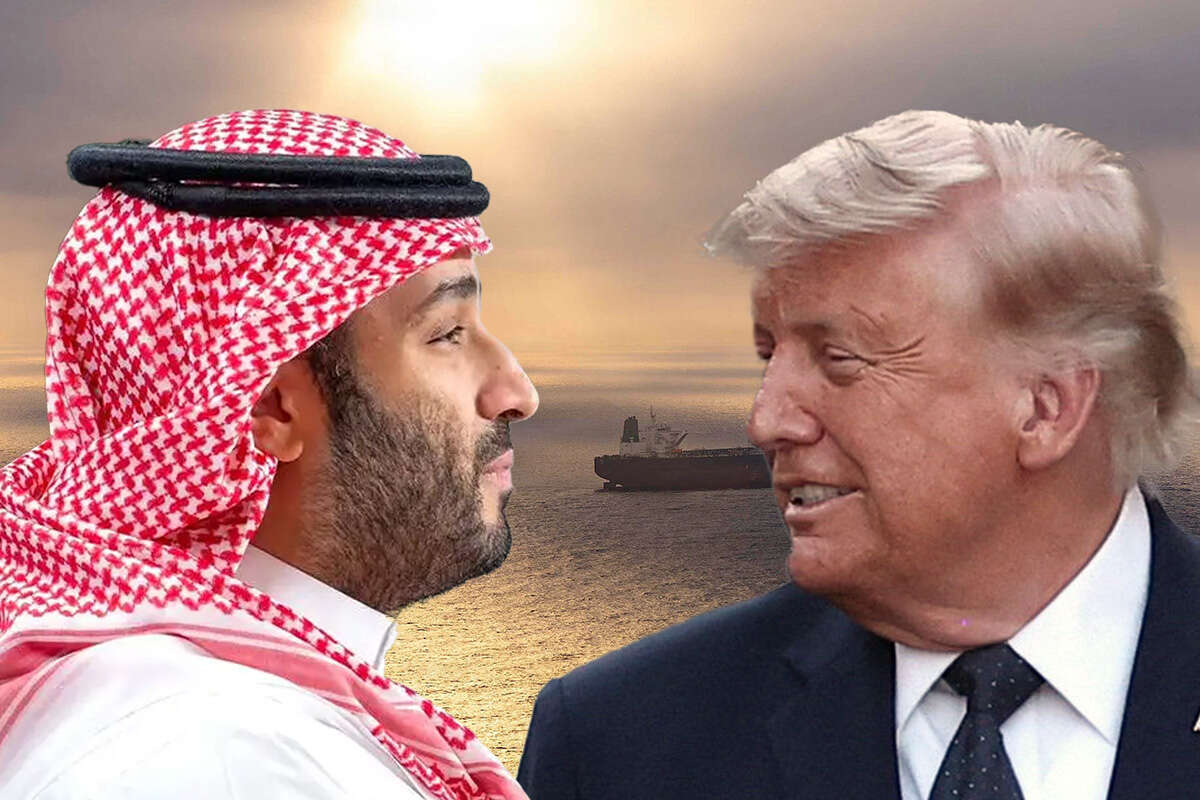
Since late February, the Persian Gulf has been engulfed in conflict. Although the US and Israel initiated military action against Iran, it was the Gulf states that found themselves absorbing much of the fallout. Determined to stay out of the fighting, they refused to allow US forces to launch attacks on Iran from bases on their territory and carefully maintained a posture of neutrality, as though the conflict did not directly concern them.
That approach reached its limits when Iran began targeting Gulf states with attacks that exceeded the intensity of those directed at Israel. Even then, Gulf governments refrained from retaliating. Instead, they called for a ceasefire and a diplomatic solution, as if declarations alone could eliminate the Iranian threat that has loomed over them for years.
The fighting ostensibly ended after the US and Iran signed a memorandum of understanding, an agreement that Gulf states worked hard to secure. They invested significant diplomatic effort, pressed Washington to reach a deal and signaled a willingness to pay "protection money" to Iran.

In reality, the agreement is worthless. Iran continues to violate its terms by attacking ships attempting to transit the Strait of Hormuz. Whenever the Americans respond, Iran retaliates by striking the Gulf states.
It is therefore hardly surprising that Tehran views the Gulf monarchies as the weakest link and repeatedly targets them. Rather than responding to Iranian attacks, the Gulf states have intensified their pressure on Washington to accept Tehran's demands.
What is particularly striking is that, on paper, the Gulf states possess formidable military capabilities. Over recent decades they have spent hundreds of billions of dollars on advanced American weaponry, much of it superior to the arsenals of many European countries. Yet when tested, those militaries have proved to be paper tigers, equipped with impressive weapons for military parades but lacking either the will, or perhaps the operational capability, to use them in combat.
The Gulf states are not all alike. The United Arab Emirates maintains close, albeit largely undisclosed, security cooperation with Israel. Qatar, by contrast, is an agent of regional instability that has cultivated close ties with Iran for years. Doha apparently believed those ties would provide protection in a moment of crisis, but Tehran was unimpressed. On the contrary, Iran responded to Qatar as it does elsewhere: where it perceives weakness, it strikes with even greater force.
The reality is that none of the Gulf states harbors illusions about Iran. If anything, they understand the nature of the Iranian regime better than the Americans do. Their problem is not ignorance but weakness. They no longer believe they can rely on the US to come to their defense.
Washington did not come to Saudi Arabia's aid after attacks attributed to Iran during President Donald Trump's first term nor has it intervened to defend Gulf states during the latest round of fighting.
US Vice President JD Vance is viewed across the region not only as someone who abandoned Israel but also the Gulf states. Rather than removing the Iranian threat, Washington is pursuing an agreement that could strengthen Iran and further entrench its regional influence.
The Gulf states' weakness and their lack of confidence in Washington underpin both their conciliatory approach toward Iran and their determination to end a conflict that appears unlikely to produce a decisive outcome. This offers an important lesson for smaller countries around the world, from East Asia to Europe, that continue to depend on the US for their security.
Even so, the Gulf states are under no illusions. While they display deference toward Iran, at least some of them are simultaneously deepening their security cooperation with Israel. That may well define the postwar Middle East: a region overshadowed by Iran, but one in which Israel could emerge as an increasingly important strategic partner for Gulf states and perhaps others seeking security cooperation.