At a time of historic cooperation, with Israel and the US jointly striking one of the most repressive and violent countries in the world, Israel's standing among the American public continues to erode. According to new Pew Research Center data, 60% of Americans now view Israel negatively, an increase of nearly 20 percentage points compared with 2022.
Among Democrats under 50, 80% said they hold a negative view of Israel, compared with 56% of Republicans under 50. All this comes as The New York Times published a report portraying Israel as a country that dragged the US into war through intrigue.
Nor are the leading presidential contenders for the post-Trump era especially sympathetic to Israel, from Republican JD Vance, who is close to the hostile and antisemitic America First camp, to Democratic California Gov. Gavin Newsom, who called Israel an apartheid state and, even after apologizing, warned that it could become one, depending on the electorate.
Because of these trends, some argue that Israel's military actions, including strikes in Iran or Lebanon, should take fluctuations in American public opinion into account. In other words, if such attacks fuel hatred, perhaps Israel should refrain from carrying them out because of its dependence on the US.
There is wisdom in that. Diplomatic and public pressure should indeed be taken seriously. At the same time, the root of the wave of antisemitism sweeping the US is tied mainly to the culture war and to internal structural processes. American society is undergoing radicalization that is stoking hatred, conspiracy thinking and aggression. At the same time, young Americans are suffering severe emotional, identity-related and economic distress. Some hate the West. Some hate any kind of framework.
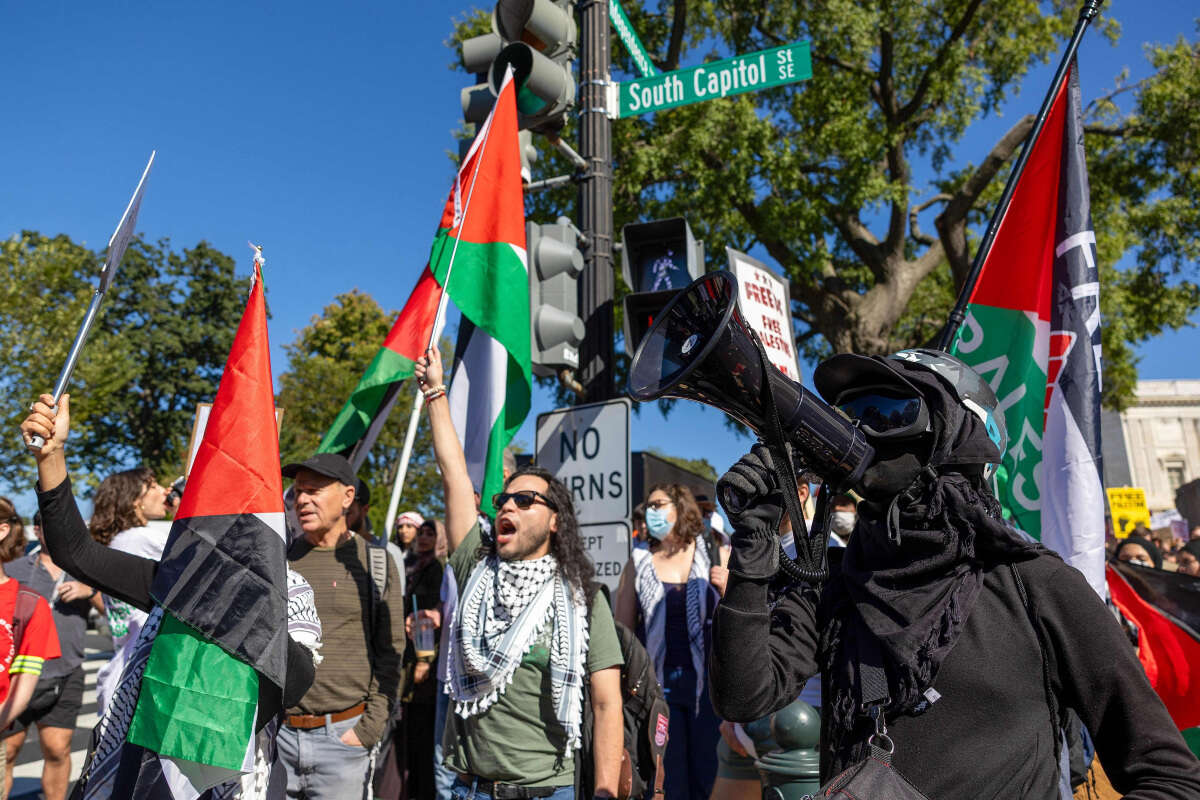
As a result of these internal trends, combined with the infiltration of pro-Palestinian activism and the new antisemitism into major international institutions and into key centers of knowledge and culture, the State of Israel, together with Jews worldwide, is becoming an immediate target. For the far left, Israel and the Jews are the enemy destroying the world. For the far right, the Jews and Israel are the enemy destroying society.
Therefore, alongside a strategic reorganization for what may become the greatest propaganda and culture war in Jewish history, Israel must prepare for the possibility that Trump will be the last pro-Israel president for the foreseeable future. Israel must reduce its military dependence on the US as much as possible and deepen its technological, military and moral value in American eyes.
At the same time, it must expand additional international alliances, even if they are decentralized and scattered, and stop relying on the support of a single major power, because no such power exists anymore. That does not mean giving up on groups and individuals inside the US who are friendly to Israel. There are many, and are a central pillar in rebuilding the relationship and in fighting the culture war.
In the short term, the most urgent task is to build a sufficient security infrastructure through the support and protection Trump provides: maximizing the campaign against Iran, creating buffer zones in conflict areas in Lebanon and Syria, and establishing a military or civilian presence in strategic areas of Judea and Samaria and Gaza. The Trump era may be Israel's last opportunity in the coming generation to create facts on the ground.
This is the most urgent mission facing the State of Israel.