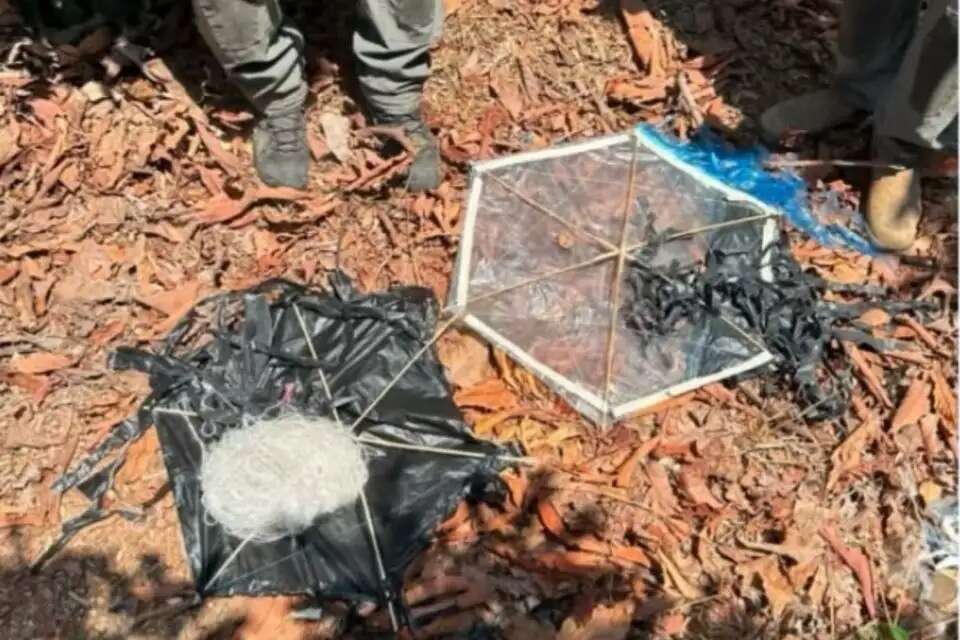
Quietly, almost without anyone noticing, the kites have returned to the Gaza border communities. In recent weeks, kites that crossed from the Gaza Strip into Israel have been found in fields and open areas near communities. Some bore writing in Arabic.
At this stage, these are not the incendiary kites Israelis came to know years ago. But for those who live near the Gaza border, the mere sight of them in the sky is enough to bring back an entire world they had hoped to leave behind.
There is room to debate the purpose of the kite launches, the security threat they pose and how Israel should respond. Those are important questions. But there is another question that is barely being asked: What does the sight of such a kite do to residents who returned home after Oct. 7 and are trying to rebuild their lives?
From the outside, that may be difficult to understand. At first glance, a kite is merely an "innocent" object made of colorful paper, something that evokes fond childhood memories. It does not trigger a Color Red rocket warning siren. There is no explosion, no casualties and no dramatic footage to open the evening news.
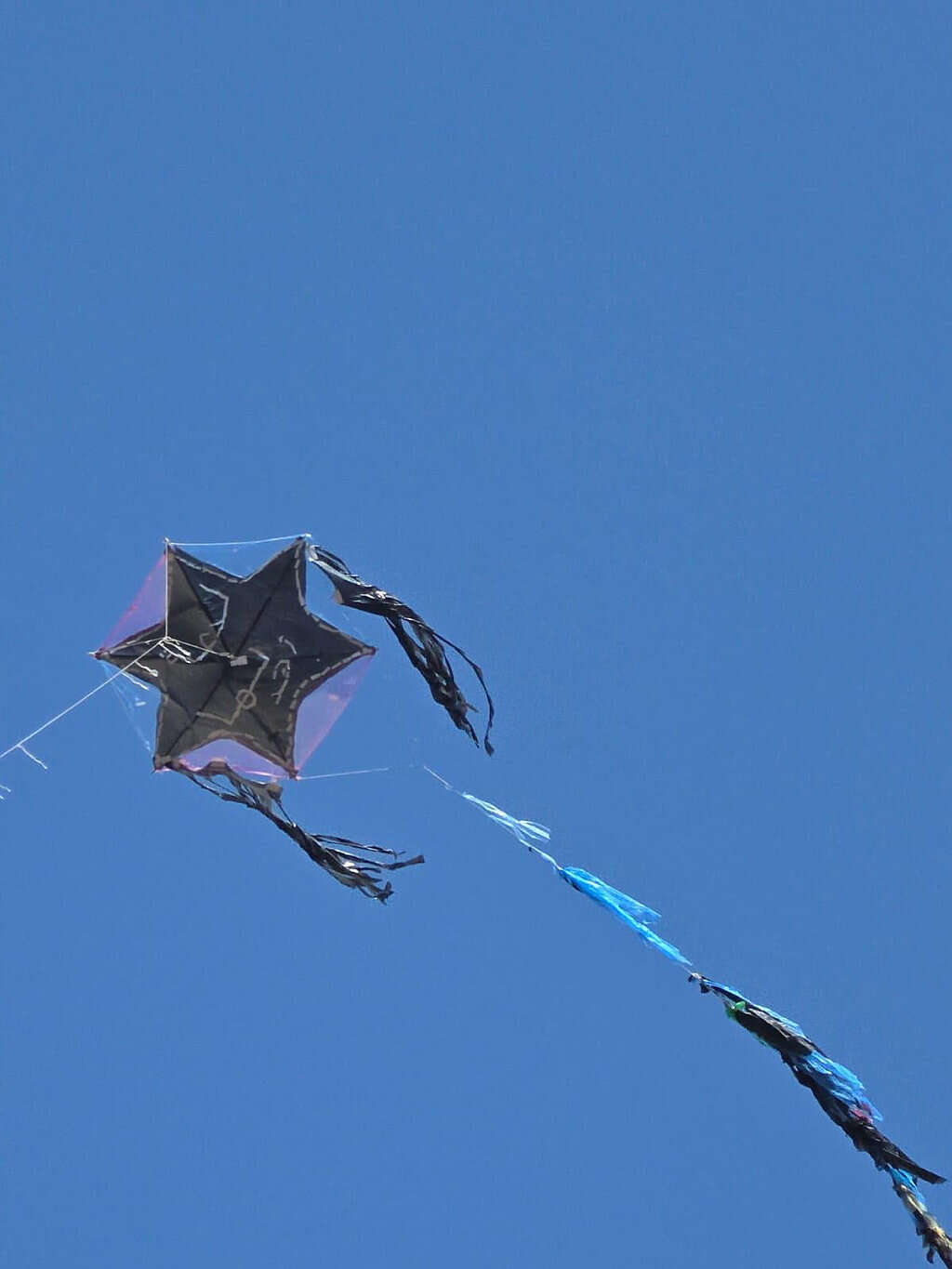
But life in the Gaza border communities has taught us that a threat is not measured solely by the amount of explosive material it carries. It is also measured by the memories it awakens.
Residents of the area have been living through a long recovery process for nearly three years. Families have returned to their homes, children have gone back to school and other educational frameworks, and communities are trying to rebuild. But returning home cannot erase the memories of that accursed morning.
A sense of security does not return with a government decision, or the moment the gates of a kibbutz reopen. It is rebuilt slowly, day after day. Sometimes a seemingly minor incident is enough to crack it once again, and everything can come tumbling down like a house of cards.
For children, the cost can be especially high. A child does not need a security assessment to understand that something that was supposed to remain in the past has returned to the skies above home.
Adults can explain that the incident is being investigated, that the military is monitoring the situation and that there is currently no danger. But memories of fear do not operate according to official statements. Regression can be swift, accompanied by complex and distressing symptoms that leave a lasting mark on the psyche.
Remembering the Kutz family
There is also an especially painful irony in the return of the kites. For years, Kfar Aza's kite festival was a symbol of hope. Aviv and Livnat Kutz and their children, Rotem, Yonatan and Yiftach, were part of a tradition in which kites were flown toward the Gaza border as a message of peace.
The kite festival scheduled for Oct. 7, 2023, never took place. All five members of the family were murdered in their home. After the massacre, kites once again filled the skies at memorial events held in their memory, becoming symbols of life, longing and hope. And now, once again, kites are arriving from the other side.

That is why these incidents must not be judged solely by whether a kite is carrying incendiary material or explosives. A country seeking to rehabilitate the Gaza border communities must understand that security also means a child being able to look at the sky without fear. Residents of the area should not be expected to get used to this, live with it or wait to see how the phenomenon develops.
Rebuilding the Gaza border communities is not only about new homes, roads, budgets and fields returning to bloom. True recovery will be complete when a kite in the skies above Kfar Aza can once again be what the Kutz family wanted it to be: a symbol of life and hope.