

In the coming days, the Israeli public will be exposed to parts of the report compiled by Maj. Gen. (res.) Sami Turgeman, who led the committee that reviewed the IDF's debriefings during the war. The panel did not touch on Israel's political echelon or its interface with the IDF. Its findings are expected to be harsh and to focus solely on the IDF's role in the massive failure of October 7. The army's shortcomings that day are already clear, even before the first debriefing is released.
I assume that Netanyahu's "escape from accountability headquarters" is already preparing another smear campaign against the IDF and its commanders, as part of the government's ongoing public-relations campaign aimed at deflecting responsibility from itself and from Prime Minister Benjamin Netanyahu personally. A campaign that may be especially harsh and humiliating toward the IDF.
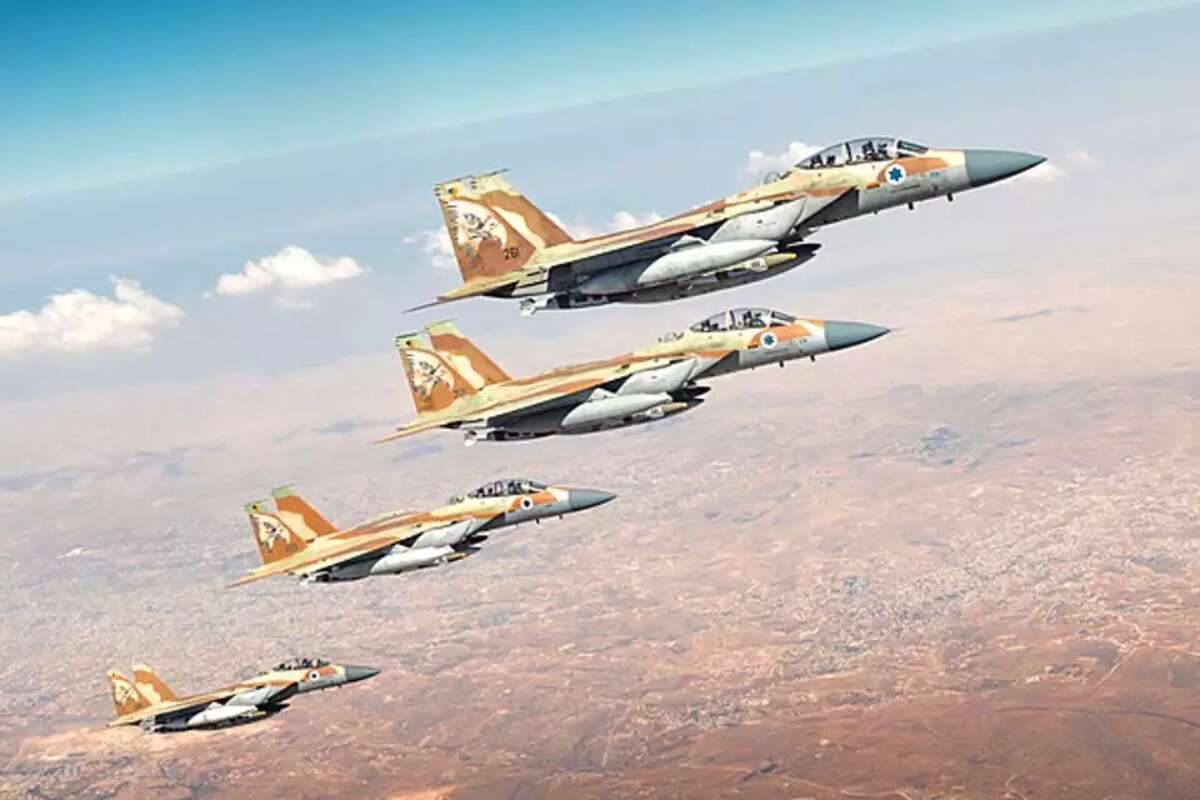
I want to warn those waiting to attack the IDF: do not mix the IDF with the murky waters of Israeli politics. Yes, the failure was immense, but this is the same army that recovered, fought with exceptional courage, defeated Hezbollah and Hamas, eliminated the leaderships of these terrorist organizations, struck Iran for 12 consecutive days using phenomenal intelligence, with the world's best air force and brilliantly designed operational plans. This is the same IDF whose achievements the prime minister was quick to take credit for, and the same IDF whose defamation now threatens to trigger a serious morale crisis among its field commanders.
It is worth remembering that the IDF has already conducted a series of internal debriefings during the war, culminating in Turgeman's thorough review. Yet the political echelon and its leader have refused for two years to investigate themselves or establish a state commission of inquiry. It is far more convenient for them to weaponize the army's own findings while avoiding any deep and painful self-examination. Those who refuse to examine their own actions have no right to run a campaign of vilification against those who had the courage to do so.
Moreover, the political leadership fears the results of any real commission of inquiry and is trying to steer toward what some have dubbed a "cover-up committee" instead. The declaration that "a commission of inquiry must win the trust of the entire public" rings hollow when juxtaposed with senior Likud officials' previous demand for a state commission of inquiry on the use of spyware. The current talk of a committee that would not issue personal recommendations only proves their fear of exactly that, personal accountability.
The government is afraid of being questioned about what it did at the start of its term to review the intelligence assessments, the IDF's plans, and preparations for possible risks. It fears being asked whether, after Defense Minister Yoav Gallant's warning in March 2023 and the intelligence alerts that same month, the cabinet held any in-depth discussions about these threats, or whether it assessed the army's readiness should those warnings materialize. It is afraid to confront what it did after Maj. Gen. (res.) Gadi Eisenkot warned during 2023 that Israel faced its most serious security threat since the 1973 Yom Kippur War, and after opposition leader Yair Lapid, two weeks before October 7, cautioned of impending war. And it fears the questions directed at Netanyahu himself.
Here are just four examples out of dozens:
-
In 2017, you presented to the State Control Committee a scenario almost identical to "Jericho Wall." How did you fail to connect that scenario to the intelligence warnings and the defense minister's alerts?
-
Why did you not convene the cabinet for in depth discussions with Israel's intelligence community and defense establishment following these warnings?
-
You have repeatedly claimed to be an expert in identifying risks and said such a failure would not happen on your watch. What did you do with that claim?
-
You frequently accused protesters from the judicial overhaul movement of weakening the army and the country. Why did you not translate that supposed "weakening" into an examination of readiness and preparedness? Why did you not "order," "instruct," or "lead" an effort to minimize the risks?


