

We lost the war against the Greeks the moment the Seleucid army stormed into the Temple and desecrated it. The moment Judah Maccabee was killed. The moment his last surviving brother was no longer among the living. The moment the Hasmonean dynasty became weak and corrupt.
The holiday we celebrate with lights and songs whitewashes—yes, whitewashes—the failure, the loss, the cost, the divisions within our people, even the bitter end of that earlier attempt to establish a Jewish state.
We lost the war against the Philistines the moment Goliath the giant stood and mocked us, crushing us completely with psychological warfare, while no one rose to confront him. We lost the war against the Germans every day thousands of Jews were murdered, and those who survived passed mountains of trauma to the generations that followed. We lost the War of Independence the moment almost every family in the land was condemned to bereavement. We lost the Yom Kippur War the moment the "conception" collapsed and wave after wave of our finest sons fell in their efforts to halt the enemy—victims of arrogance and blindness.
All of this is true, of course, but it's not the story we have learned to tell ourselves. Victory is always greater than the sum of its parts. In the face of the costs of war—especially the cost of failure—it's difficult to claim any military achievement was worth it. Yet our national memory, woven into our days of celebration and mourning alike, insists on moving us from the individual to the collective.
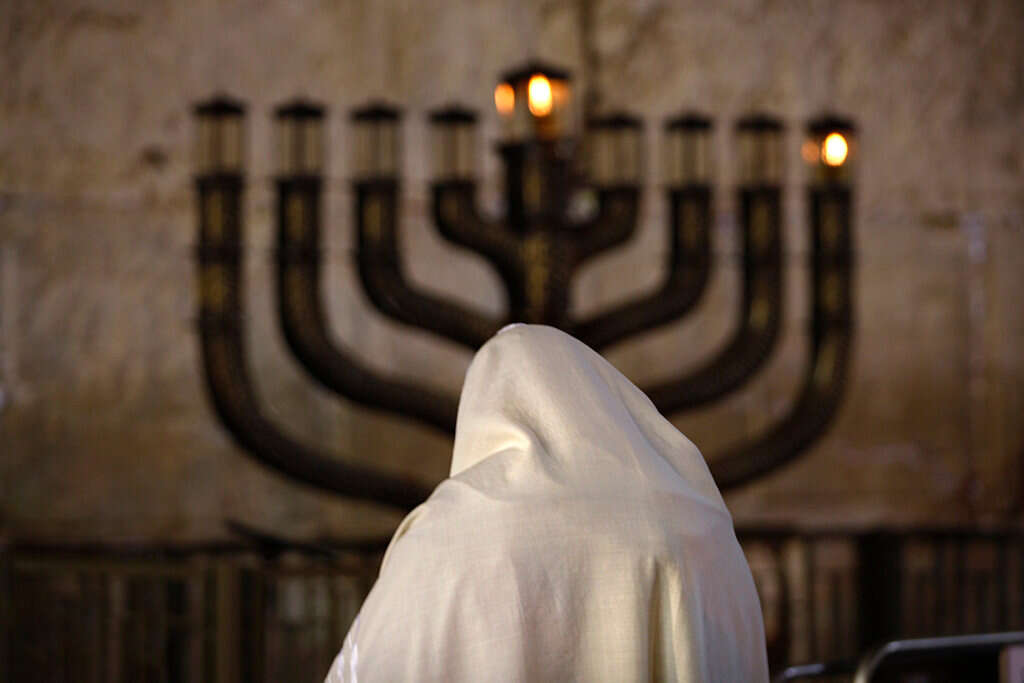
Judah Maccabee fell in battle, but the Kingdom of Judah arose and existed. Imperfect though it was, it gave millions of Jews around the world a reason to light candles in the depths of winter and believe in the triumph of light over darkness.
The Hasmonean kingdom—founded on the foundations of a civil war between the Maccabees and the Hellenists, whose founders did not live to see its glory—was the most powerful inspiration for the Zionist movement's vision of the "new Jew": strong, a fighter, confident in themselves. That vision continues today, embodied on diverse battlefields year after year.
The price we paid for this war was far too high from the day it began. No military achievement can console us for the massacres in our towns, the horrific scenes in Sderot and Ofakim, or the dozens of children orphaned of both parents within mere hours.
No effort to shape public consciousness will erase the pain, grief, and trauma. Yet this holiday teaches us that the Jewish and Zionist chain of generations rests on one core decision: to persevere. It is not the fall that defines us, our lives, or our central focus—it is the resurgence. Resurgence is not denial of what happened, nor a whitewashing or leniency for those responsible, but a decision to once again take control of our fate and our grand narrative.
Resurgence demands that we embrace two consciousnesses simultaneously: first, the value of the individual, recognizing that every person murdered or fallen in this war was an entire world, and that every effort must be made to bring back the hostages. Second, the understanding that each of us is part of a larger whole, fighting a war over the broader picture.
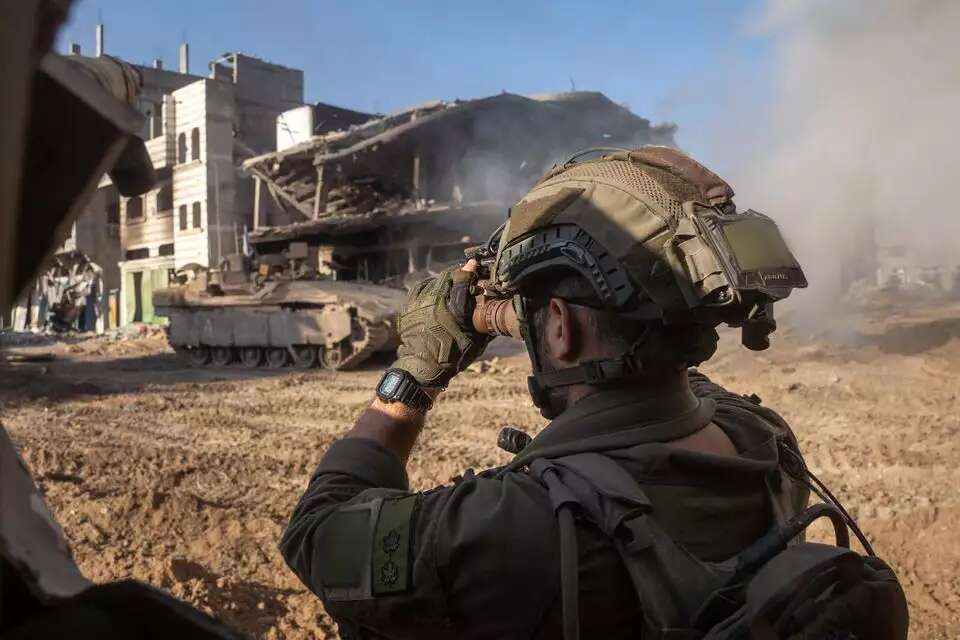
The State of Israel did not fall on October 7, though only later did we learn how close it came to the brink. Millions of citizens displayed extraordinary courage, self-sacrifice, infinite solidarity, and an unrelenting zest for life, reminding us anew of the incredible human resources we possess. And yes, despite everything, we dealt our enemies an unprecedented blow. After more than 20 years, the "Red Alert" sirens in Sderot have become a rare event. Farmers in the Ramim Ridge area are no longer exposed to short-range gunfire. IDF soldiers are lighting Hanukkah candles atop Mount Hermon.
We lost much on the morning of October 7, but we did not lose. There's no need to aim for "absolute victory."
It's enough to say that, like our ancestors, we proudly continue to carry torches through the darkest nights, ensuring that this flame will be passed on to the next generation.


