Israel Hayom is a media organization founded on the belief that the Israeli public deserves better journalism—more balanced, more accurate, and more reliable. Journalism that speaks rather than shouts. Journalism that is trustworthy, objective, and matter-of-fact. A different kind of journalism, offered free of charge. The first print edition was published on July 30, 2007, and in 2010 Israel Hayom became the Israeli newspaper with the highest weekday readership. The newspaper’s publisher is Dr. Miriam Adelson. Its Editor-in-Chief is Omar Lachmanovitch, and its founding editor is Amos Regev. Israel Hayom’s Hebrew and English websites, as well as its Android and iOS applications, provide around-the-clock news coverage, exclusive content, breaking news and updates, analysis and commentary, video, podcasts, and live broadcasts. The digital platforms of Israel Hayom include news and opinion channels covering culture and entertainment, lifestyle, technology, sports, business and consumer affairs, health, military affairs, food, Judaism, tourism, and automobiles. In 2021, a new Hebrew-language website and mobile application were launched to provide users with a fast, up-to-date, secure, and convenient experience. The content of the newspaper’s print edition is also available online through a daily digital edition and can be received via newsletter. “The Israel Hayom Clique,” the publication’s exclusive benefits club, offers website users discounts and special promotions on products and services. Israel Hayom welcomes feedback, criticism, and suggestions for improvement from its readers. You can contact the organization by email at hayom@israelhayom.co.il

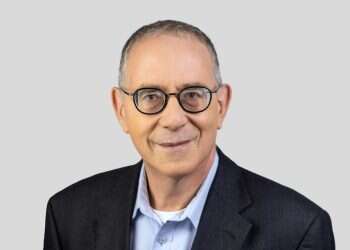
Rabbi Yuval Cherlow

Rabbi Yuval Cherlow is the director of the Tzohar Center for Jewish Ethics and founder of the Tzohar Rabbinical Organization in Israel.

On saving lives, Halachah clashes with UK courts

When it comes to toddlers, Jewish law and Israeli laws make it clear they must not be taken off life support.


The British High Court's decision to take toddler Alta Fixsler off life support because of severe brain damage has shocked the Jewish world and been deemed by many as unethical.

Follow Israel Hayom on Facebook and Twitter

The ethical issues that emerge from the advances in biology and medicine are studied in bioethics in the wake of the various new techniques humans have developed over the years to save lives. It is precisely these advancements that make such decisions more complex. Modern technology makes it possible to keep a person alive in ways that throughout most of history would have been impossible.

Halachah (Jewish law) permits and sometimes even commands to let go of life. It deals extensively with the dilemma of guarding and protecting life versus making sure a patient does not continue to suffer and leaves this world in peace and tranquility. The Tzohar Modern-Orthodox Rabbinical Organization has a special program that helps families that face such difficult choices.

In 1987, the leaders of the Chief Rabbinate ruled that someone can be considered to have died if they are brain dead, thus allowing an end to the medical treatment.

However, the ruling has not been accepted by some religious sectors, especially within the ultra-Orthodox community. Moreover, when it comes to a toddler, Jewish law and Israeli lawbooks make it clear he or she must not be taken off life support, no matter the damage to her body or brain. Their message is clear: human life is the most cherished value.

In contrast, Britain's judiciary ruled to take Alta off life support. To make matters worse, it rejected her parents' plea to transfer the girl to Jerusalem for treatment.

The court in Britain has left no room for the parents to exercise their decision based on Halachah. This effectively forces the parents to commit murder under Jewish law by forcing a child to be taken off a ventilator.

Subscribe to Israel Hayom's daily newsletter and never miss our top stories!

Related Posts