

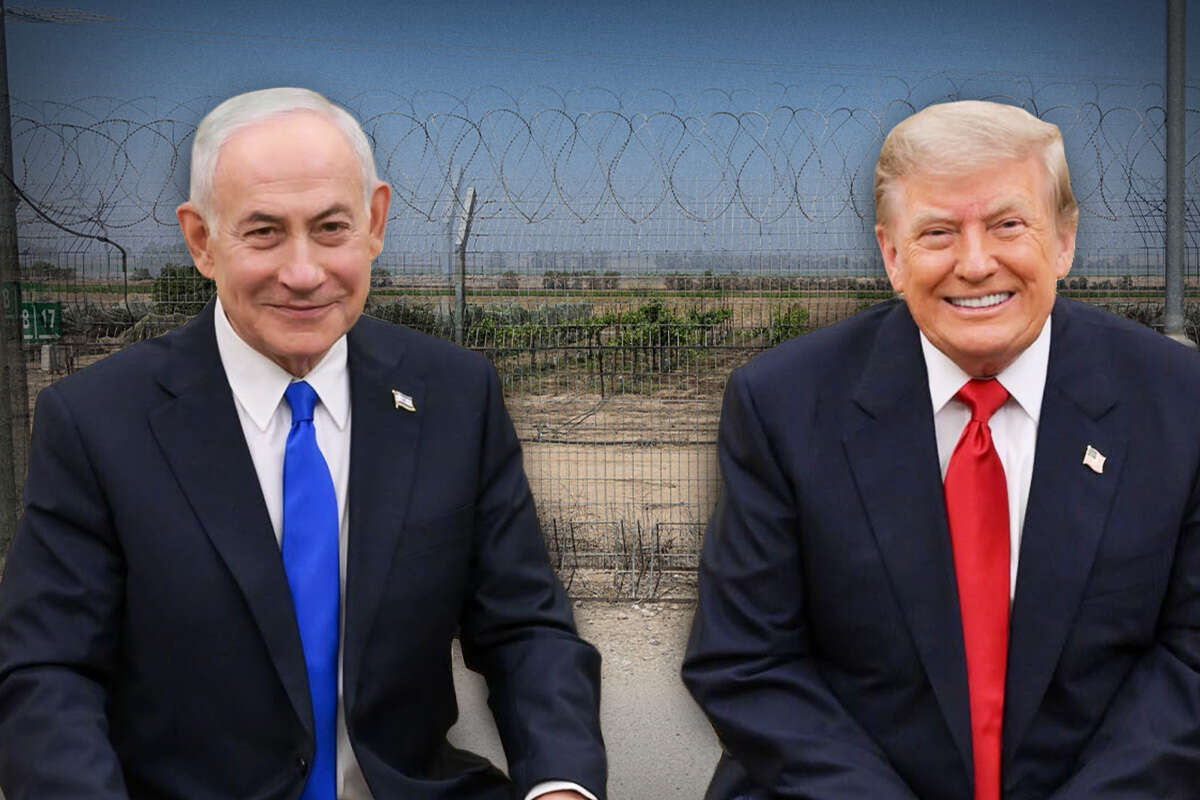
Before his departure for Washington, Netanyahu seemed anxious and deeply worried about what to do next, particularly fearful of potentially humiliating reactions from Donald Trump. Unlike their first meeting, which had inspired blind trust and enthusiasm, the uncertain outcome of this eighth meeting at the White House was becoming a complicated mission for him, especially as American public opinion and Donald Trump's inner circle were growing increasingly suspicious of him. Aware of the diplomatic, strategic, media, and personal importance of this meeting, the Prime Minister therefore chose to keep a low profile, avoid pitfalls and disagreements, and, above all, steer clear of the Israeli press.
Entering and exiting through the back door of the White House, this admittedly unchivalrous tactic averted the worst and cleared up some misunderstandings. In an explosive context on several fronts, Netanyahu and Trump described the meeting as fruitful, and that's the main point for now. Consequently, and fundamentally, the goals of Israel and the United States converge on the threats posed by the Iranian Islamist regime and its nuclear program.
However, behind this smokescreen and to prove his good intentions, Netanyahu, as usual, chooses a policy of restraint and makes several concessions…
He will not intervene in the ongoing clashes against Iran, will allow negotiations with Lebanon to continue by committing to withdraw IDF troops in stages, and will accept, contrary to all his promises, the entry of the international force into the Gaza Strip well before the dismantling of Hamas.
Aware that he shares the same republican values as the American president, Netanyahu knows perfectly well that fluidity and chemistry in personal relationships are considerable assets in diplomacy and international relations. He must therefore prove that the Jewish state is truly the only faithful ally in the region and that without its military power, its excellent intelligence services, and its democratic values, the entire Middle East would plunge into irreversible chaos. Consequently, he will always want Israel to be strengthened, reassured, and admired.
However, under Obama and Biden, Netanyahu felt free to react against them by relying on pro-Israel members of Congress such as Lindsey Graham, who recently passed away. The situation has changed today; a large segment of American public opinion is hostile to Israeli policy, and anti-Zionism is being propagated by anti-Semitic and pro-Palestinian movements.
With Donald Trump, Netanyahu is more reserved and cautious, aware that he is a great friend of the Jewish people and that he has been offered considerable leverage and credit. However, Trump is not a diplomat but, at heart, a seasoned and ambitious businessman who wants to make deals, secure lucrative opportunities, and always come out on top. Above all, he holds the key to peace or war in the Middle East, the key to the future of the Jewish state.
He will support Israel in international forums, proudly exercise his veto in the Security Council, and thwart any attempt by the Arabs to delegitimize or boycott Israel, while relentlessly combating the scourge of antisemitism. He will work hand in hand with Netanyahu and his successors in the fight against terrorism and will be more vigilant than his predecessors regarding the Iranian threat. However, he will demand fair play and always present a clear assessment of the facts on the ground. Let us remember that American citizens don't get free lunches.
On the eve of a very turbulent Knesset parliamentary election, Netanyahu is therefore being put to the test on all fronts.
In this race against time, and faced with negative predictions about his own political future, Netanyahu has unfortunately not changed his behavior. If he hopes to win these new elections and meet with the American president for the ninth time, he will have to prove his statesmanship. He must present a clear and coherent strategy on all the pressing issues, unite the Israeli nation, and stop dividing and frightening it in order to rule at any cost.


