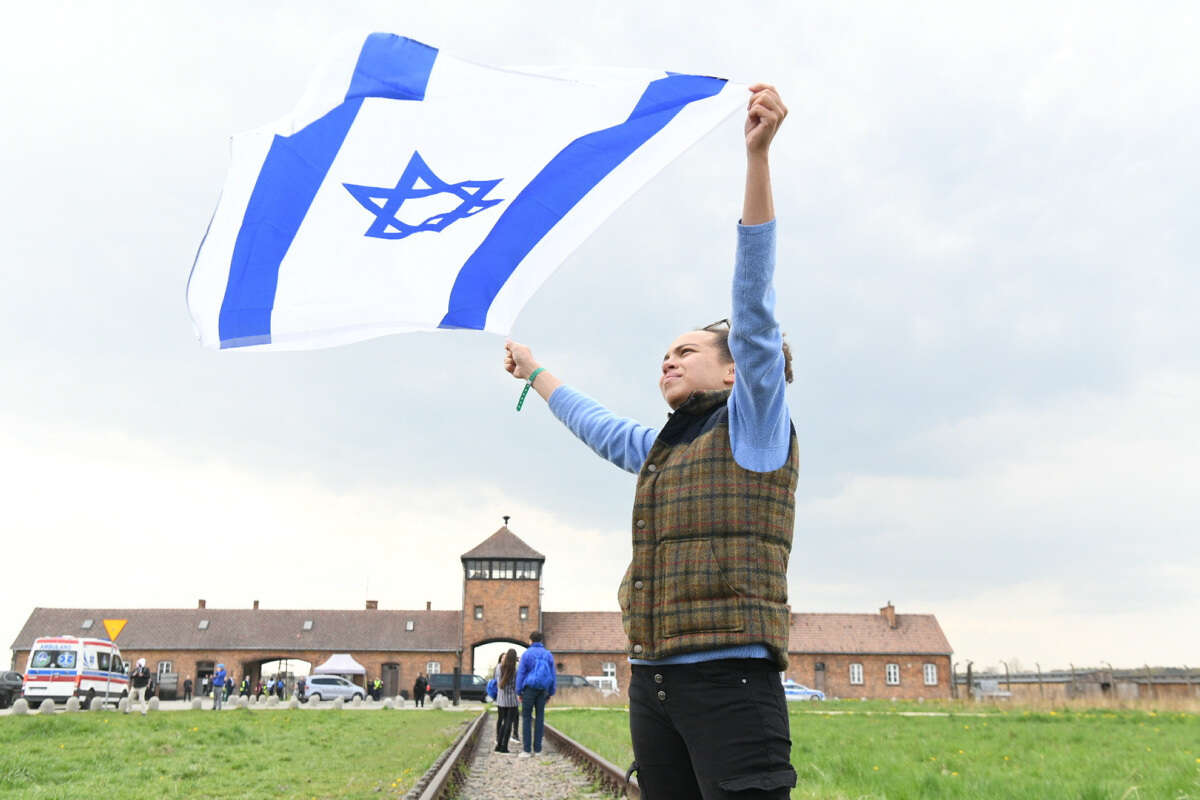
Holocaust Remembrance Day, observed each year in memory of the Holocaust and heroism, invites a renewed discussion about memory: how we remember, what we remember, and what meaning we assign to that memory in the present.
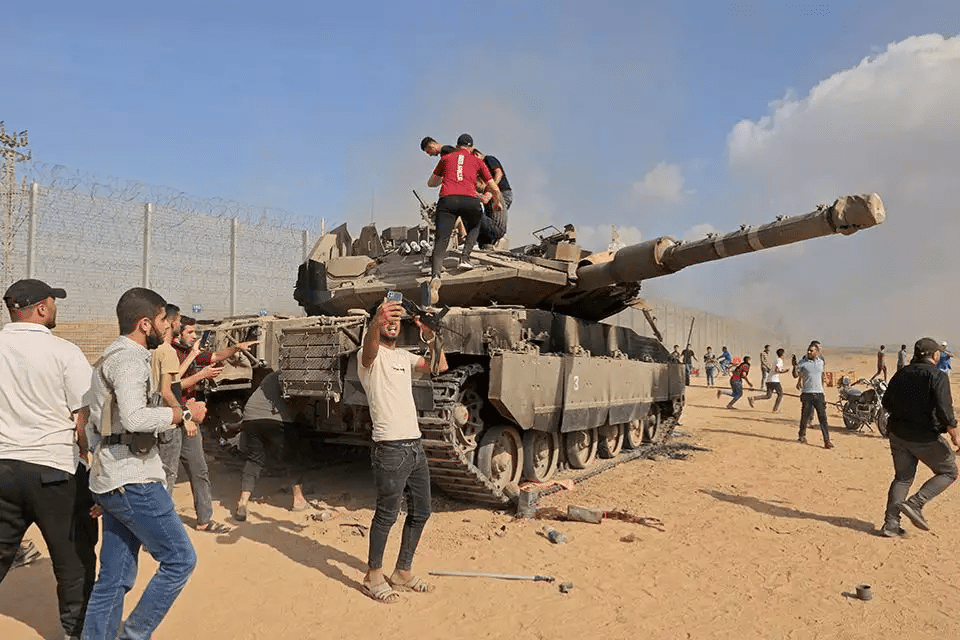
This year, more than ever, that question carries particular force in light of the traumatic events Israeli society has endured in recent years since October 7.
The temptation to compare the greatest catastrophe in Jewish history with current events is understandable. The harrowing images, the sense of vulnerability, and the deep human pain can at times create the impression of a single, continuous historical sequence. But this is precisely where a clear distinction is required: the Holocaust and the events since October 7 are not the same thing, and the essential difference between them must not be blurred.
The Holocaust was a unique event in human history, a systematic, planned and institutionalized attempt to annihilate an entire people. The Jews of Europe and North Africa had no state, no protection and no real ability to defend themselves. Their fate was in the hands of others, without sovereignty and without military power to shield them. Even when they showed courage and tried to resist, they lacked the most basic conditions for an effective struggle, and there was no system that could turn resistance into real power.
By contrast, the traumatic events since October 7, for all their devastating force, have unfolded in an entirely different reality. The State of Israel is a sovereign country with an army, operational capabilities and power. Even when we were hurt, even when we were caught by surprise, we were not helpless. The ability to fight, defend ourselves and respond all reflect a profound historical change in the status of the Jewish people.
That is precisely why the responsibility of memory is doubled. We must preserve the memory of the Holocaust as a singular event, one with no precedent and no equivalent, while understanding the depth of the tragedy and the helplessness that defined it. At the same time, we must process the memory of current events with the understanding that they belong to a different era, an era of sovereignty, responsibility and the capacity to decide. A form of memory that does not distinguish between different periods risks not only blurring the past, but also undermining our ability to understand the present. The challenge is not only historical, but moral as well.
What we learned from history
Blurring these memories together could lead to a false sense of helplessness, as though nothing has changed. But history teaches otherwise: the revolution of Jewish sovereignty fundamentally changed the condition of the Jewish people in the world. It did not eliminate danger, but it gave us the tools to confront it. That does not diminish the magnitude of the pain or the loss. On the contrary.
It is precisely because we recognize the magnitude of the recent events that we must stress the difference between them and the Holocaust. That difference is what gives meaning to struggle, revival and the ability to go on. "From there to here" is not merely a passage through time, but a psychological and historical transformation. It is the transition from a reality of helplessness to a reality of responsibility, from the status of victim to the status of sovereign.
And so, precisely on Holocaust Remembrance Day, amid the pain and mourning, it is important to remember the difference as well: then, we could not defend ourselves. Today, we can. And the meaning of that difference is not only historical, but existential. Our fate is no longer determined by others; it is determined by us.