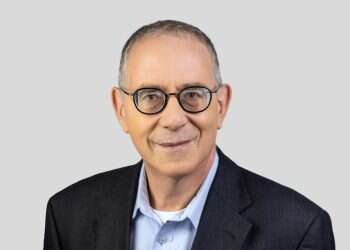
Former UEFA president Michel Platini's arrest in Paris on Tuesday, on suspicion of accepting bribes from Qatar in exchange for awarding it the 2022 World Cup, came as a surprise to no one.
The suspicions arose immediately after the tiny Gulf emirate was chosen to host one of the world's largest sporting events, and kicked into high gear following reports that Platini secretly met with a Qatari emir just 10 days before the fateful selection.
Follow Israel Hayom on Facebook and Twitter
We can assume Platini was not alone. Rumors abound that hundreds of millions of dollars have flowed from Doha, the Qatari capital, to the pockets of other UEFA election committee members to vote for Qatar over the United States. Will the French investigation lead to revoking the Qatari bid, after it has already invested $200 billion in building a gigantic sports city, seven new stadiums and who knows what else? It's still unclear.
The Qatari decision to buy the soccer World Cup with handfuls of cash should shock no one. For many years now this country, which sits atop vast oil and gas reserves, is the richest in the world in terms of Gross Domestic Product. It consistently wields its limitless wealth to buy itself regional influence and standing, so that no one can ignore it even if they try.
Its success has been greater than expected. The establishment of Al Jazeera 20 years ago, the first Arabic satellite news network, allowed Qatar to directly speak to Arab peoples above their leaders' heads. It fanned the flames of revolutions, exposed corruption and led dictators to try banning the network, but to no avail.
At the same time, Qatar has funneled billions of dollars to radical Islamist terrorist organizations. It hosts on its soil the global headquarters of the Muslim Brotherhood under the leadership of Sheikh Yusuf al-Qaradawi, and has hosted Hamas' political bureau. From 2012 to 2018, it transferred over $1 billion to Hamas in Gaza. Some of this money went toward building rockets. This aid to Gaza is ongoing, allegedly to help humanitarian projects and promote the ceasefire understandings between Israel and Hamas. In actuality, we should assume, some of this cash is finding its way to Hamas' military wing.
In a relatively short period of time, Qatar, under the Al-Thani family, has become the wild child of the Persian Gulf and Arab world. Its confidence has swelled, among other reasons, due to the large US military base on its soil and because of its open channels of communication with everyone, good and bad. It speaks to Iran and to Israel. The Saudis and other emirates imposed a boycott on Qatar two years ago due to its relations with Tehran. The Egyptians did the same because of its ties to the Muslim Brotherhood. Qatar, however, hasn't budged off course.
Next week in Bahrain, Qatar's neighbor, the US will launch a two-day economic workshop to help foster peace between Israel and the Palestinians. While Qatar is using its financial resources to solely serve its interests, the idea behind the Bahrain conference is to enlist support for the Palestinians and provide them a horizon for long-term economic development, which isn't an alternative to a political solution but could help advance one. Palestinian Authority President Mahmoud Abbas, regretfully, welcomed with open arms Qatar's generous aid offer several days ago but is rejecting the outstretched hand from Bahrain.