The alliance between Russia and Iran in Syria was never much of a love story, but rather the result of a meeting of interests. While Russian President Vladimir Putin and Iran's Supreme Leader Ayatollah Ali Khamenei both strove to save the regime of Syrian President Bashar Assad, the more this goal is achieved, the further the gaping cracks between Tehran and Moscow deepen.
For many months, the Iranians have suspected Russia was interested in playing the role of sole influencer in Syria. As long as the Syrian regime was in danger of collapse, the Russians enjoyed the fact that Shiite militias, Iranians and Hezbollah fighters were being crushed in the battlefield. But now, they believe the time may have come for them to leave.
Reports out of Tehran are indicative of Iran's growing suspicions over Russia's intentions in recent weeks, following statements by senior Russian officials calling on "foreign forces" to leave Syria. A spokesman for the Russian presidency specified that these remarks pertained to the Americans, Turks, Iranians and Hezbollah fighters.
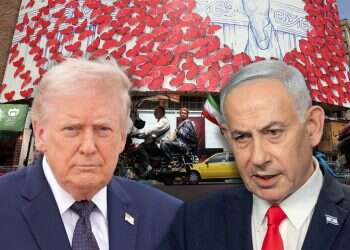
These suspicions reached new heights as Tehran came to assess that the Russians were coordinating with Israel. A direct line suddenly seemed to connect the frequent phone calls between Putin and Prime Minister Benjamin Netanyahu, the visits by senior Israeli officials to Moscow and Putin's unequivocal declaration that only Syrian soldiers should be stationed near the border with Israel.
Tehran is still wary of Putin. Iran's official response to the call coming out of Moscow was that Iran is in Syria at the request of Assad and as long as there are "terrorist fighters" in Syria, they are there to stay. But in background conversations, senior Iranian sources are now saying they may no longer be able to rely on Putin, who was liable to stab Iran in the back, as they did in the Iran-Iraq War in the 1980s. How can Putin call for the Iranians to leave Syria, they ask, without demanding Israel withdraw from the Golan Heights?
The as-of-yet unverified reports of the departure of pro-Iranian forces and Hezbollah fighters in southern Syria could point to a new phase in the path to a reduction in Iran's presence in Syria, and as a result, an increase in tensions between Russia and Iran.
It is too early to conclude that Jerusalem and Moscow are in consensus when it comes to the future character of Syria. While Israel would welcome the distancing of the Iranians and Hezbollah from the border, it would be far less thrilled to see the re-establishment of Assad's forces near the border and in the southern Golan Heights and the ousting of moderate rebels there.
Moreover, Israel has demanded the total elimination of any signs of Iran's presence in Syrian territory and has even expressed a willingness to act with force to achieve this goal. Despite the increasingly fractured alliance with Iran, Putin has yet to make an unequivocal statement on this matter.