

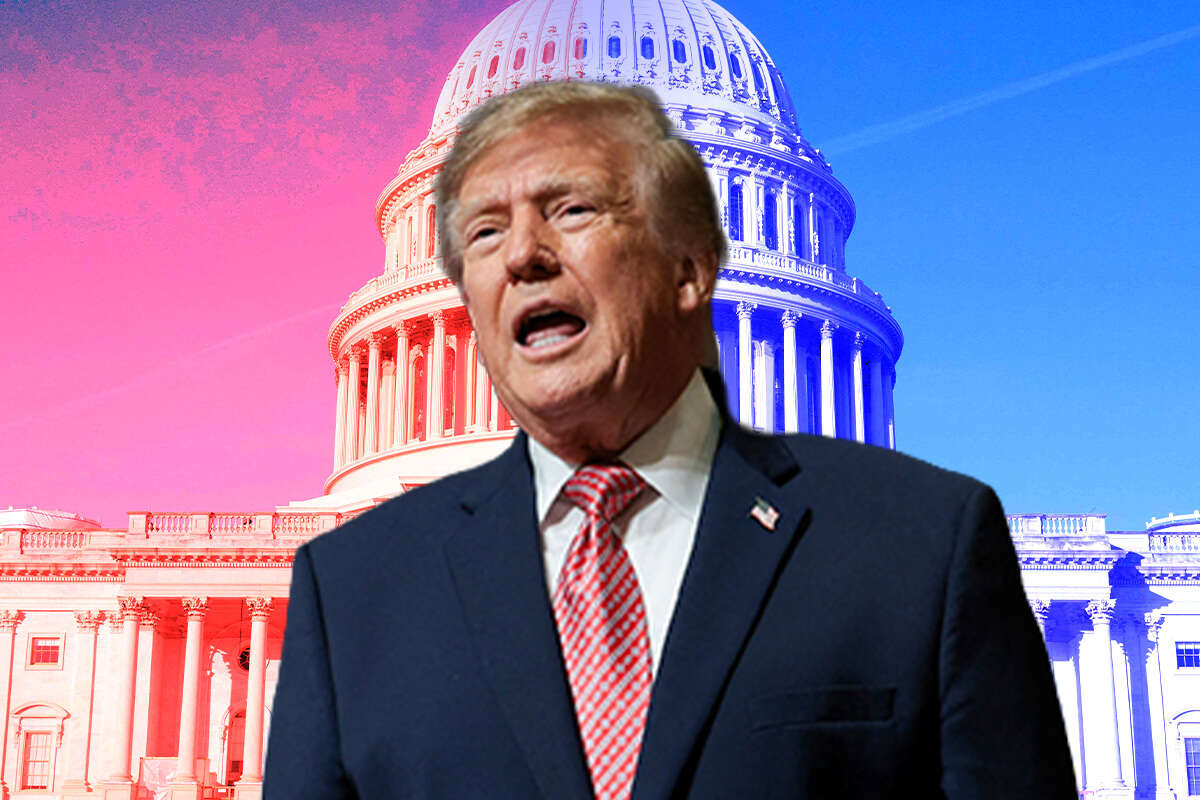
The blue tsunami that swept across the United States in last Tuesday's midterm elections was no natural disaster or unforeseeable twist of fate. The results, which handed the Democratic Party control of both houses of Congress and turned President Donald Trump into a lame duck, were a predictable, almost inevitable development rooted in the very nature of American democracy.
President Barack Obama also suffered a crushing defeat in the 2010 midterms. This is how American voters express their anger and disappointment with a sitting president, particularly over social and economic issues. They punish him, weaken his position and, in doing so, preserve the balance of power between the branches of government and prevent either side of the political divide from accumulating too much power.
Yet in Obama's case, voters returned him to office in 2012 despite the domestic gridlock imposed on him by Republicans. In foreign policy, Obama was largely free to pursue his own agenda, including reaching a nuclear agreement with Iran. After all, the US president enjoys sweeping authority over foreign and security policy, while congressional constraints are felt primarily in domestic affairs.
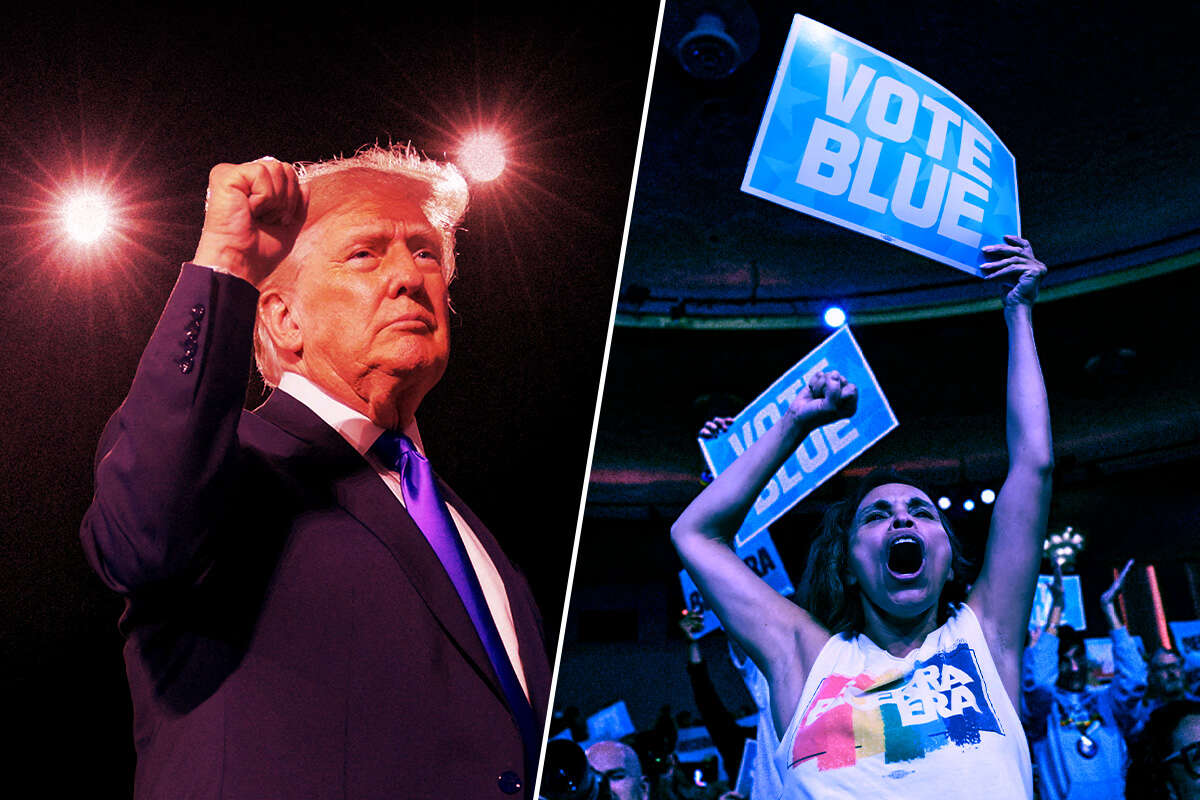
Even so, the election results could have disastrous consequences for Israel's relationship with the United States. Trump himself was the first to recognize this. In a desperate attempt to stem the flow of voters toward the Democrats, he announced an end to US financial assistance to Israel. Vice President JD Vance, who hopes to succeed Trump in the White House in 2028, followed suit, declaring that relations with Israel were among the reasons for the Republican defeat.
American support for Israel is a cornerstone of Israel's national security doctrine and a vital component of its strength. Israel can undoubtedly stand on its own two feet, as it did during the first decades of its existence, when Washington's attitude toward the Jewish state was cold and at times even hostile.
But it would be foolish to throw in the towel, abandon the American political arena and allow the Democratic Party, which Israel has turned its back on in recent years, to fall under the influence of radical representatives who refuse even to recognize Israel's right to exist.
So what should Israel expect in the aftermath of these elections, and what must it do?
For all Trump's bluster, the prospect of renewed fighting with Iran, let alone an all-out military campaign against it, is slim. American voters have made their views clear: They do not want another war whose objectives they never understood in the first place, and whose chances of success were never convincingly explained to them.
Trump may have had an opportunity to achieve something decisive in the war he launched last spring, perhaps even to threaten the survival of the Iranian regime. But he squandered that opportunity through hesitant and erratic policymaking. History, as we know, rarely offers second chances.
Trump is also likely to become increasingly consumed by his domestic troubles, losing both the attention and the interest needed to engage with developments in our region. Israel should therefore not expect a determined, groundbreaking US foreign policy aimed at expanding the Abraham Accords, securing peace between Israel and Saudi Arabia, or even reaching agreements involving Syria, Lebanon or Gaza.
Israel is thus entering a twilight period, the twilight of the Trump era, that could prove complicated, deeply problematic and fraught with risks.
And the implications extend far beyond relations with Washington. Across the Middle East and around the world, governments and political leaders are watching closely, taking note of the images and messages emerging from the American capital.
Israel must rebuild its steadily eroding support among the American Jewish community and use that foundation to restore the bipartisan backing it once enjoyed. At the same time, it must establish new relationships with the leading contenders for the White House in both parties.
Achieving these goals will require Israel to break out of its current downward spiral and restore stability to its political system. Any future Israeli government must then work to repair and strengthen the alliance with the United States and, on that basis, advance Israel's relations with its neighbors and the wider world.
Our future depends on it. More importantly, it is achievable, and the power to make it happen is in our hands.


