

Exactly five years after American forces made their desperate escape from Afghanistan, leaving the country in the hands of the Taliban, Iraq's turn came at the end of last month.
On Sept. 30, US forces completed their withdrawal from Iraq, bringing to an end 23 years of American military presence and control dating back to the spring of 2003, when the US invaded the country and toppled Saddam Hussein's regime. As in Afghanistan, this was a defeat. Washington's attempt to build a prosperous, democratic Iraqi state has failed, and the Americans have left Iraq at the mercy of Iran and the Shiite militias operating in the country with Tehran's backing and support.
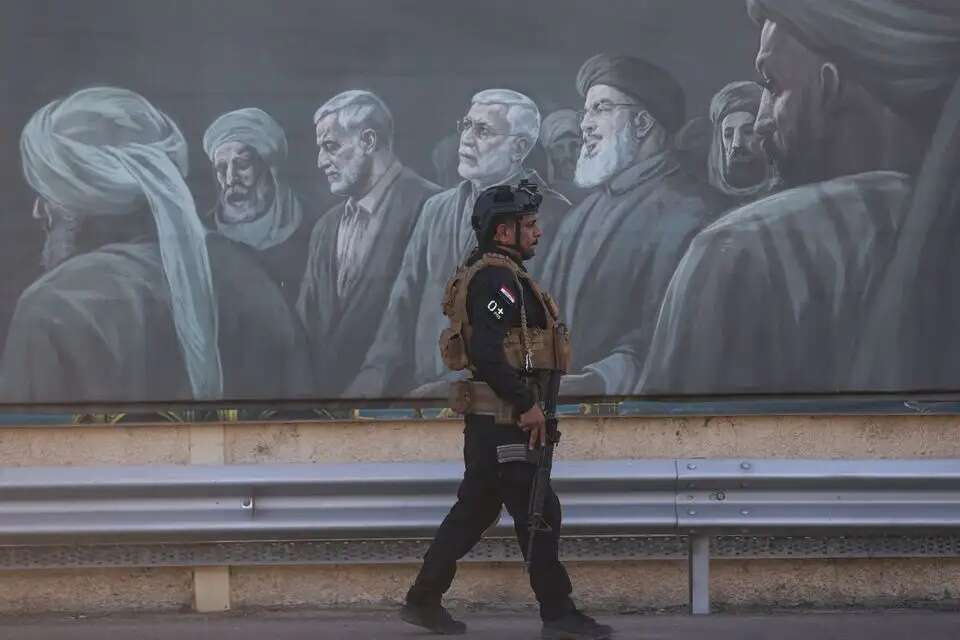
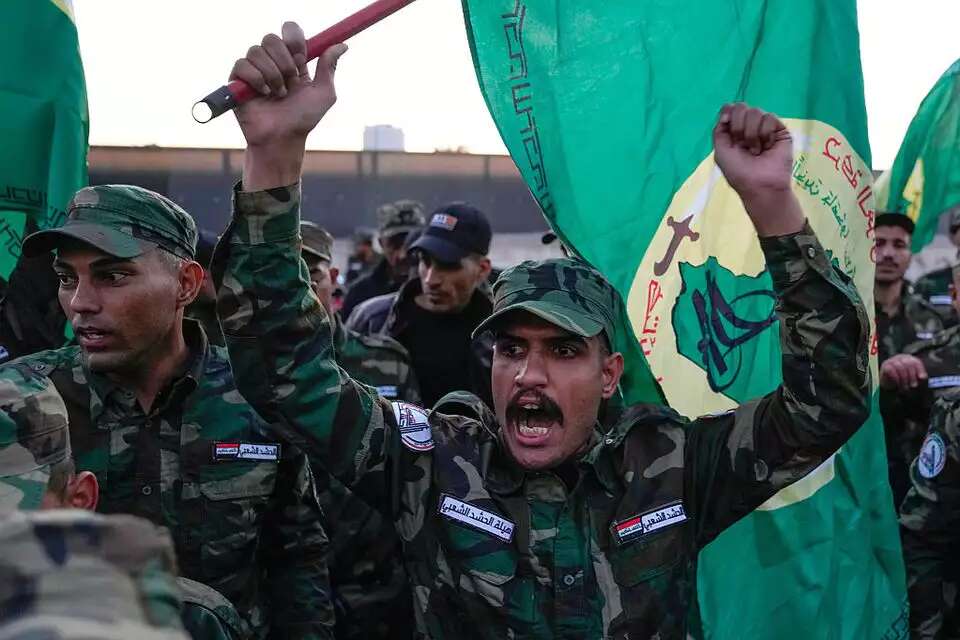
These militias could dismantle the Iraqi army, topple the government in Baghdad and seize control of the country on Iran's behalf. But they have no need to govern Iraq directly. As Hezbollah has done in Lebanon, they can build a powerful military force capable of threatening the Gulf states and Israel while allowing the government in Baghdad to maintain the appearance of being in charge.
Iraq, which the Americans abandoned nearly a month ago, and Afghanistan, from which they fled five years earlier, have much in common. At the beginning of the century, both were ruled by Sunni regimes: the Taliban in Afghanistan and Saddam Hussein's government in Iraq. Both were bitter enemies of Iran, had fought against it and effectively hemmed it in from the east and west.
In 2001, the Americans toppled the Taliban regime. Two years later, they invaded Iraq, a country that for centuries had served as a barrier to Iranian efforts to expand westward into the Fertile Crescent and toward the Mediterranean coast. In doing so, Washington eliminated two of Tehran's fiercest enemies.
The Americans also dismantled Iraq's army and state institutions and introduced a Western-style democracy for which Iraqi society was neither prepared nor ready.
The result was the rise to power of the Shiites, who account for roughly half the country's population. They embarked on a campaign of persecution and revenge against the Sunni community, a minority comprising about a quarter of Iraq's population. This, in turn, gave rise to the Islamic State group (ISIS), which fought the Shiites in the name of Iraq's Sunnis but also spread destruction across Syria and unleashed terrorism around the world, including in the US.
Faced with a deadlock and seeing little purpose in maintaining its military presence in Iraq, Washington decided to disengage. After all, thousands of kilometers separate Baghdad from Washington. For the countries of the region, however, and particularly for Israel, the picture is entirely different.
The tentacles of the Iranian octopus
Iraq lies hundreds of kilometers from Israel's border. Yet, just as it did with Hezbollah in Lebanon, Iran has established a network of loyal Shiite militias in Iraq, financing, arming and training them. Today, these groups pose a threat not only to the government in Baghdad but also to Israel, thanks to the missiles and drones supplied to them by Tehran.
The experience of ISIS demonstrated that even terrorist organizations can move hundreds of kilometers, from deep inside Iraq across Syria and toward the Golan Heights. When US President Donald Trump welcomed Iraqi Prime Minister Ali al-Zaidi to the White House, he praised him as a leader who could be trusted, saying, "He's young and he's handsome, which I don't like. I'm not happy about it."

Yet the Iraqi government was quick to declare that, contrary to the promises and commitments it had made to Washington, it lacked both the ability and the intention to dismantle the Shiite militias operating on its territory on Iran's behalf.
None of this appears to concern the US. Washington is equally unmoved by the cries of alarm coming from the Kurds in Iraq and Syria. The Kurds rallied to America's side in the fight against ISIS and helped defeat the terrorist organization. But having served their purpose, they are now being cast aside. The Americans are abandoning them once again, leaving the Kurds in Iraq at Iran's mercy and those in Syria exposed to Syrian President Ahmed al-Sharaa and Turkey.
Iran has suffered a series of blows in recent years, particularly to its proxies across the Middle East. Bashar Assad's regime in Syria has fallen, and Hezbollah has been dealt a devastating blow. It is therefore essential to ensure that America's abandonment of Iraq, amid reports of secret negotiations between Washington and Tehran, does not give Iran an opportunity to stage a comeback, beginning with a takeover of Iraq.


