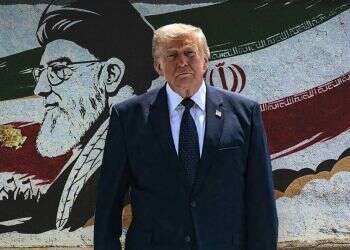
A blueprint the White House is rolling out to resolve the decades-long conflict between the Israelis and Palestinians is as much about politics as it is about peace.
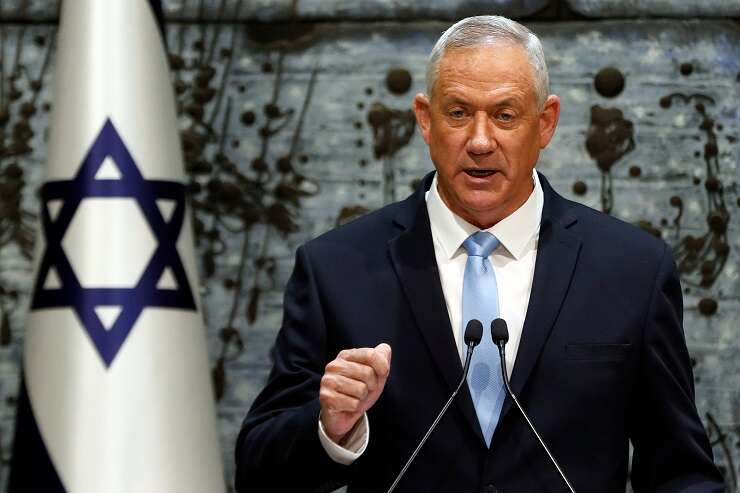
President Donald Trump said he would likely release his long-awaited Mideast peace plan a little before he meets Tuesday with Israeli Prime Minister Benjamin Netanyahu and his main political rival Benny Gantz. The Washington get-together offers political bonuses for Trump and the prime minister, but Trump's opponents doubt the viability of any plan since there's been little-to-no input from the Palestinians, who have rejected it before its release.
"It's entirely about politics," Michael Koplow, policy director of the Israel Policy Forum, said about Tuesday's meeting. "You simply can't have a serious discussion about an Israeli-Palestinian peace plan and only invite one side to come talk about it. This is more about the politics inside Israel and inside the US than it is about any real efforts to get these two sides to an agreement."
Follow Israel Hayom on Facebook and Twitter
Jared Kushner, a Trump adviser and the president's son-in-law, has been the architect for the plan for nearly three years. He's tried to persuade academics, lawmakers, former Mideast negotiators, Arab governments and special interest groups not to reject his fresh approach outright.
People familiar with the administration's thinking believe the release will have benefits even if it never gets Palestinian buy-in and ultimately fails. According to these people, the peace team believes that if Israeli officials are open to the plan and Arab nations do not outright reject it, the proposal could help improve broader Israeli-Arab relations.
For years, the prospect of improved ties between Israel and its Arab neighbors had been conditioned on a resolution of the Israeli-Palestinian conflict. But the administration believes that a change in regional dynamics – due mainly to rising antipathy to Iran – will boost Israel's standing with not only Egypt and Jordan, which already have peace deals with the Jewish state, but also Saudi Arabia and the smaller Gulf nations, these people say.
There have been signs of warming between Israel and the Gulf states, including both public displays and secret contacts, and the administration sees an opening for even greater cooperation after the plan is released, according to these people.
Trump, for his part, told reporters on Air Force One this week that "It's a plan that really would work." He said he spoke to the Palestinians "briefly," without elaborating.
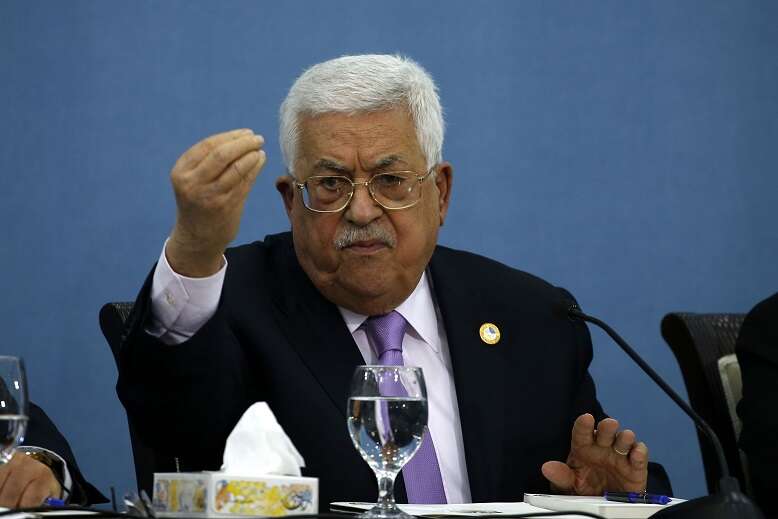
Nabil Abu Rdeneh, a spokesman for Western-backed Palestinian Authority President Mahmoud Abbas, says that's not true.
"There were no talks with the US administration – neither briefly or in detail," he said. "The Palestinian position is clear and consistent in its rejection of Trump's decisions regarding Jerusalem and other issues, and everything related to the rejected deal."
Abbas ended contacts with the administration after it recognized Jerusalem as Israel's capital two years ago. The Palestinians' anger mounted as Trump repeatedly broke with the international consensus around solving the conflict and took actions seen as biased toward Israel's right-wing government.
The White House has cut off nearly all US aid to the Palestinians and closed the Palestinian diplomatic mission in Washington. In November, the Trump administration said it no longer views Jewish settlements in the occupied territories as inconsistent with international law, reversing four decades of American policy. The Palestinians view the settlements as illegal and a major obstacle to peace.
Tuesday's meeting offers benefits to both leaders while they are under fire at home.
The meeting allows Trump to address a high-profile foreign policy issue during his impeachment trial, while Democrats are arguing for his ouster. Moreover, if the plan is pro-Israel as expected, Trump hopes it will be popular with his large base of evangelicals and maybe sway a few anti-Trump Jewish voters his way.
According to AP VoteCast, a nationwide survey of the American electorate, 79% of white evangelical voters in the 2018 midterms approved of the job that Trump is doing as president, while 74% of Jewish voters disapproved.
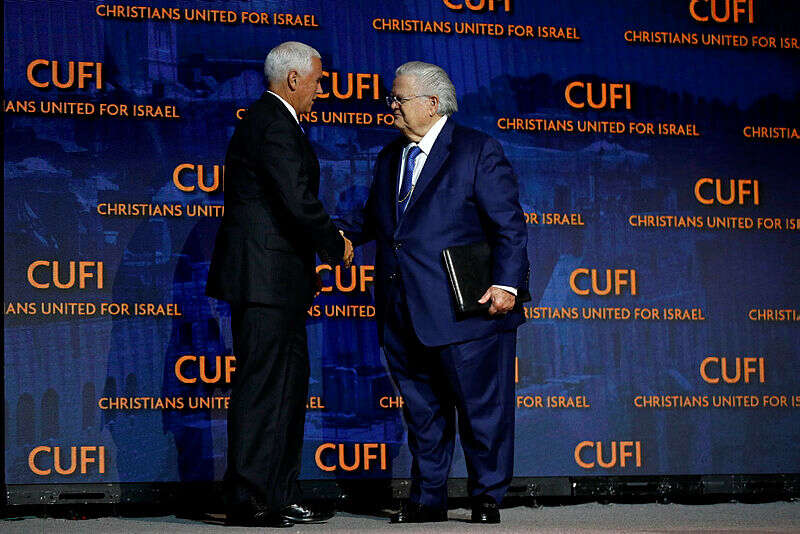
Pastor John Hagee, founder and chairman of the 8 million-member Christians United for Israel, said in a statement that Trump "has shown himself to be the most pro-Israel president in US history, and I fully expect his peace proposal will be in line with that tradition."
For Netanyahu, the meeting allows him to shift press coverage Tuesday when the Knesset convenes a committee that is expected to reject his request for legal immunity from charges of fraud, breach of trust and accepting bribes.
"The 'Trump peace plan' is a blatant attempt to hijack Israel's March 2 election in Netanyahu's favor," tweeted Anshel Pfeffer, a columnist for Israel's far-left Haaretz newspaper and the author of a biography of Netanyahu.
Netanyahu is fighting for his political survival ahead of the election. The decision to bring Gantz along is likely aimed at forestalling any criticism that the US administration is meddling in the election. But in Israel, the meeting and the unveiling of the plan will be widely seen as a gift to the prime minister. The prime minister has noted that it was his idea to invite Gantz, putting his rival in a position where he could not say no to a meeting that could make him look like a bystander at the White House event.
In Congress, Trump's announced release of his Mideast plan has caused hardly a ripple against the backdrop of the impeachment drama.
Asked on Friday what he thought about the expected rollout, Sen. Tim Kaine, D-Va., said: "I'm on the Senate Foreign Relations Committee and we've not heard anything about it."
Sen. Jim Risch, R-Idaho, the committee chairman, defended the administration's work on a plan.
"I think the people who are working on this are working on this in good faith," Risch said in the halls of Congress, shortly before Trump's impeachment trial resumed. "I think the people who are trying to do it really are acting in good faith, hoping they can come up with a solution."